


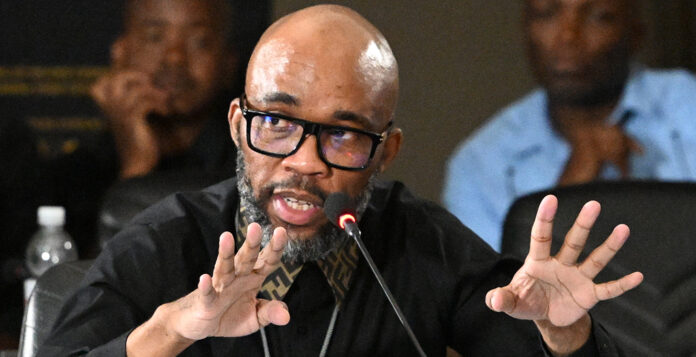
Vusimuzi ‘Cat’ Matlala’s attempt to shield evidence linked to his collapsed plea agreement from scrutiny at the Madlanga Commission of Inquiry suffered a setback on Monday.
This after chairperson Justice Mbuyiseli Madlanga rejected his legal team’s submissions on Section 204 of the Criminal Procedure Act.
The ruling followed a tense legal exchange between Matlala’s advocate, Annelene van den Heever, and evidence leader Advocate Mahlape Sello, with the defence arguing that the commission should not rely on statements arising from a failed plea negotiation process with the National Prosecuting Authority (NPA).
Van den Heever also launched a separate challenge against the conduct of individuals involved in the negotiations, alleging that promises made to Matlala, including assurances about his safety, were never honoured.
READ MORE: Cat Matlala’s tender fraud case on hold pending review application
She further accused the NPA of disregarding the Criminal Procedure Act by allegedly disclosing her client’s statement to an unauthorised party.
Madlanga rejects legal challenge
At the centre of the dispute was whether the commission could use Matlala’s Section 204 statement and material connected to his failed Section 105A plea and sentence agreement.
Section 204 deals with witnesses who may be implicated in criminal activity and the circumstances under which they may receive indemnity from prosecution in exchange for truthful evidence. Section 105A regulates plea and sentence agreements between accused persons and the prosecution.
Van den Heever argued that the two processes were connected and that the collapse of the plea agreement had implications for the use of the related statement.
Her position was that the commission could not simply disregard the legal protections governing the failed negotiations.
In opposing the use of the material, she told the commission:
“We vehemently oppose the use of either the 105A or the purported 204, whether it’s the affidavit or whatever is here, presented here, to be used by the Commission.”
She warned that allowing the documents to be used would bring the administration of justice into disrepute.
However, Madlanga clarified that Section 105A(10) applies to criminal proceedings and not proceedings before a commission of inquiry.
For purposes of his ruling, he proceeded on the assumption that the plea agreement existed.
He further explained that the possible nullity of a statement did not automatically prevent the commission from using it.
Madlanga rejected Van den Heever’s submissions concerning Section 204, allowing the commission to proceed despite the defence’s objections.
READ: Cat Matlala and wife’s R95k Waterkloof lease fraud case on hold till February
Sello questions why Matlala’s lawyers waited months to object
Evidence leader Advocate Mahlape Sello challenged the timing of Matlala’s legal team’s objections, pointing out that the lawyers had been aware of the Section 204 issue since September.
Taking the commission through the chronology of correspondence, Sello highlighted that an in-camera hearing had initially been scheduled for Matlala in October.
The commission subsequently withdrew the requirement for his evidence to be heard in camera before issuing a subpoena compelling him to testify.
Sello questioned why Van den Heever had not approached the courts to interdict the process if she believed the NPA had acted beyond its powers when it sought Matlala’s statement on August 24.
She also questioned why the legal team had not lodged a formal objection earlier.
Van den Heever requested access to the email correspondence, maintaining that her client could not be prejudiced by what she described as unlawful conduct by the NPA.
She argued that if the Section 105A process was invalid, the reliance on Section 204 would become irrelevant.
Failed plea negotiations raise questions about NPA conduct
The proceedings took another turn when Van den Heever raised allegations surrounding failed plea negotiations involving
Investigating Directorate Against Corruption (IDAC) officers, chief investigator Dylan Perumal, senior investigator Suneel Bellonchun and Brian Padayachee.
According to the lawyer, the three individuals had approached Matlala regarding plea negotiations and made several commitments, including assurances about his safety.
Van den Heever argued that the failure to fulfil the alleged commitments amounted to an obstruction of justice and indicated that she intended to provide formal testimony under oath about the matter.
Baloyi challenges lawyer over proposed NPA subpoena
Commissioner Sesi Baloyi questioned whether the commission could subpoena the NPA to obtain information relating to the alleged failed plea negotiations.
Van den Heever argued that doing so would amount to acting ultra vires, meaning beyond the commission’s lawful powers.
Baloyi challenged her position, questioning how issuing a subpoena would itself be unlawful.
Additionally, commissioner Sandile Khumalo questioned why the commission should wait for formal documentation when the information had already been leaked and was in the commission’s possession.
ALSO READ: Court cites ‘devious, deceptive mind’ in rejecting Cat Matlala plea deal
Van den Heever maintained that such documents should never have been placed before the commission.
Madlanga warns against further delays
Beyond the legal wrangling, Madlanga expressed concern about the impact of delays and the unavailability of key witnesses on the commission’s ability to complete its work.
He acknowledged receipt of the legal submissions but warned that the commission faced a significant risk of failing to capture all necessary testimony if proceedings continued to be delayed.
Madlanga confirmed that the commission would continue with its work but made it clear that a High Court interdict would immediately halt proceedings. His final ruling is that they continue until a court interdict is received from Matlala’s legal representatives.
- Justice Mbuyiseli Madlanga rejected legal submissions aimed at shielding Vusimuzi 'Cat' Matlala's Section 204 statement and related plea negotiation materials from use by the Madlanga Commission of Inquiry.
- Matlala’s legal team, led by advocate Annelene van den Heever, argued against the commission using evidence from the collapsed Section 105A plea agreement process, citing legal protections under the Criminal Procedure Act.
- Advocate Mahlape Sello criticized Matlala’s lawyers for delaying their objections and questioned why they had not sought court intervention earlier regarding the Section 204 statement.
- Van den Heever accused the National Prosecuting Authority and Investigating Directorate Against Corruption officers of failing to honor safety promises made to Matlala during plea negotiations and alleged obstruction of justice.
- Chairperson Madlanga warned that further delays could jeopardize the commission’s work and ruled that proceedings would continue unless a High Court interdict halts them.
Vusimuzi 'Cat' Matlala's attempt to shield evidence linked to his collapsed plea agreement from scrutiny at the Madlanga Commission of Inquiry suffered a setback on Monday.
This after chairperson Justice Mbuyiseli Madlanga rejected his legal team's submissions on Section 204 of the Criminal Procedure Act.
The ruling followed a tense legal exchange between Matlala's advocate, Annelene van den Heever, and evidence leader Advocate Mahlape Sello, with the defence arguing that the commission should not rely on statements arising from a failed plea negotiation process with the National Prosecuting Authority (NPA).
Van den Heever also launched a separate challenge against the conduct of individuals involved in the negotiations, alleging that promises made to Matlala, including assurances about his safety, were never honoured.
READ MORE: Cat Matlala's tender fraud case on hold pending review application
She further accused the NPA of disregarding the Criminal Procedure Act by allegedly disclosing her client's statement to an unauthorised party.
At the centre of the dispute was whether the commission could use Matlala's Section 204 statement and material connected to his failed Section 105A plea and sentence agreement.
Section 204 deals with witnesses who may be implicated in criminal activity and the circumstances under which they may receive indemnity from prosecution in exchange for truthful evidence. Section 105A regulates plea and sentence agreements between accused persons and the prosecution.
Van den Heever argued that the two processes were connected and that the collapse of the plea agreement had implications for the use of the related statement.
Her position was that the commission could not simply disregard the legal protections governing the failed negotiations.
In opposing the use of the material, she told the commission:
"We vehemently oppose the use of either the 105A or the purported 204, whether it's the affidavit or whatever is here, presented here, to be used by the Commission."
She warned that allowing the documents to be used would bring the administration of justice into disrepute.
However, Madlanga clarified that Section 105A(10) applies to criminal proceedings and not proceedings before a commission of inquiry.
For purposes of his ruling, he proceeded on the assumption that the plea agreement existed.
He further explained that the possible nullity of a statement did not automatically prevent the commission from using it.
Madlanga rejected Van den Heever's submissions concerning Section 204, allowing the commission to proceed despite the defence's objections.
READ: Cat Matlala and wife's R95k Waterkloof lease fraud case on hold till February
Evidence leader Advocate Mahlape Sello challenged the timing of Matlala's legal team's objections, pointing out that the lawyers had been aware of the Section 204 issue since September.
Taking the commission through the chronology of correspondence, Sello highlighted that an in-camera hearing had initially been scheduled for Matlala in October.
The commission subsequently withdrew the requirement for his evidence to be heard in camera before issuing a subpoena compelling him to testify.
Sello questioned why Van den Heever had not approached the courts to interdict the process if she believed the NPA had acted beyond its powers when it sought Matlala's statement on August 24.
She also questioned why the legal team had not lodged a formal objection earlier.
Van den Heever requested access to the email correspondence, maintaining that her client could not be prejudiced by what she described as unlawful conduct by the NPA.
She argued that if the Section 105A process was invalid, the reliance on Section 204 would become irrelevant.
The proceedings took another turn when Van den Heever raised allegations surrounding failed plea negotiations involving
Investigating Directorate Against Corruption (IDAC) officers, chief investigator Dylan Perumal, senior investigator Suneel Bellonchun and Brian Padayachee.
According to the lawyer, the three individuals had approached Matlala regarding plea negotiations and made several commitments, including assurances about his safety.
Van den Heever argued that the failure to fulfil the alleged commitments amounted to an obstruction of justice and indicated that she intended to provide formal testimony under oath about the matter.
Commissioner Sesi Baloyi questioned whether the commission could subpoena the NPA to obtain information relating to the alleged failed plea negotiations.
Van den Heever argued that doing so would amount to acting ultra vires, meaning beyond the commission's lawful powers.
Baloyi challenged her position, questioning how issuing a subpoena would itself be unlawful.
Additionally, commissioner Sandile Khumalo questioned why the commission should wait for formal documentation when the information had already been leaked and was in the commission's possession.
ALSO READ: Court cites ‘devious, deceptive mind’ in rejecting Cat Matlala plea deal
Van den Heever maintained that such documents should never have been placed before the commission.
Beyond the legal wrangling, Madlanga expressed concern about the impact of delays and the unavailability of key witnesses on the commission's ability to complete its work.
He acknowledged receipt of the legal submissions but warned that the commission faced a significant risk of failing to capture all necessary testimony if proceedings continued to be delayed.
Madlanga confirmed that the commission would continue with its work but made it clear that a High Court interdict would immediately halt proceedings. His final ruling is that they continue until a court interdict is received from Matlala's legal representatives.


