


Parliament has signalled that the release of the Health Ombud’s investigation into the deaths of six healthcare professionals in KwaZulu-Natal (KZN) will not mark the end of the matter, but the beginning of sustained oversight over a public health system laid bare by chronic staff shortages, exhausted workers and deteriorating hospital conditions.
Although the joint investigation by the Health Ombud and the Public Service Commission found no direct causal link between the deaths and workplace conditions, Members of Parliament (MPs) say the report exposes deep structural weaknesses that threaten both healthcare workers and the patients they serve.
Committee welcomes investigation
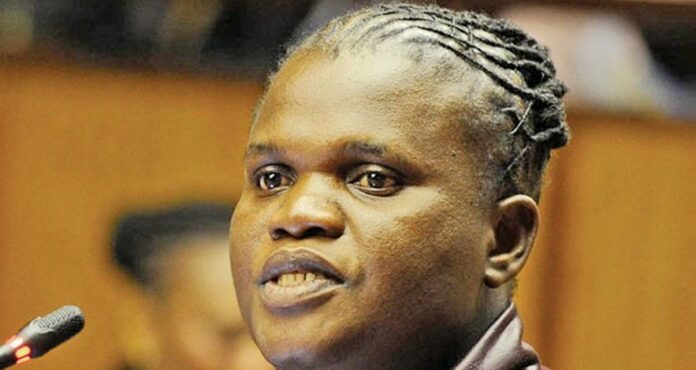
Portfolio Committee on Health chairperson Faith Muthambi said Parliament would closely monitor whether the KZN Department of Health and the national Department of Health act on the report’s recommendations.
“The committee welcomes the thorough and independent investigation undertaken by the Health Ombud and the Public Service Commission. While the findings provide much-needed clarity on the circumstances surrounding these tragic deaths, they also shine a spotlight on the difficult realities faced daily by healthcare workers in our public health facilities,” said Muthambi.
The investigation was launched after public concern over the deaths of six healthcare professionals attached to Prince Mshiyeni Memorial, Addington, Port Shepstone, Ngwelezane, Benedictine and Vryheid hospitals.
Health Ombud Professor Taole Mokoena found that none of the deaths could be directly attributed to workplace bullying, victimisation or adverse working conditions.
Troubling picture of health system
The report, however, paints a troubling picture of a health system under relentless pressure.
Investigators identified persistent staffing shortages, frozen vacant posts, increasing workloads, shortages of medical equipment and supplies, inadequate employee wellness programmes, infrastructure failures and security concerns affecting healthcare workers across several hospitals.
The investigation further found that many young doctors, particularly interns, avoid taking sick leave because they fear extending their training rotations or increasing the burden on already overstretched colleagues.
The Ombud also concluded that ongoing budget constraints have contributed to declining staff morale and poorer service delivery, while noting that several hospitals are led by chief executive officers without medical training, creating conflicts over clinical authority.
Muthambi said these findings merely confirmed concerns repeatedly raised during parliamentary oversight visits.
“The committee notes the report’s findings that, while no direct causal link could be established between the deaths and workplace conditions in the cases investigated, the report nevertheless exposes deeply concerning challenges that affect healthcare professionals and the quality of healthcare services.”
She added: “The wellbeing of healthcare workers is inseparable from the quality of healthcare received by our people. A health system cannot succeed if those entrusted with caring for patients are themselves unsupported, overburdened or working under increasingly difficult conditions.”
‘We honour their memory’
The committee also paid tribute to the deceased healthcare workers.
“Behind every name in this report is a family that continues to carry the pain of losing a loved one. As the committee, we honour the memory and service of these healthcare professionals who dedicated their lives to caring for others.”
The Ombud’s investigation also corrected several claims that had circulated publicly following some of the deaths.
It found that Prince Mshiyeni medical intern Dr Alulutho Mazwi did not die while on duty, contrary to widespread reports, and that social media allegations claiming he had been forced to work while ill were fabricated.
Similarly, investigators found no evidence linking the deaths of radiographer Mvelo Cele, Dr Siyabonga Zulu and Dr Francis Idika to workplace conditions, while the exact cause of Dr Tumelo Kgaladi’s death remains the subject of a police forensic inquiry.
‘Serious systemic concerns’
Rather than closing the chapter on the deaths, Prof Mokoena said the investigation had exposed problems requiring urgent intervention.
“While no direct causal link was established between the deaths and working conditions, the investigation identified serious systemic concerns across several health establishments.”
He added that the report’s recommendations “will be referred to the Office of Health Standards Compliance (OHSC) for monitoring and implementation” and that the Health Ombud “will continue to work closely with the OHSC to ensure that the recommendations translate into meaningful improvements in healthcare worker well-being, patient safety and the quality of care.”
With Parliament now promising to scrutinise implementation, the focus shifts from determining why six healthcare professionals died to whether government can fix the hospital system that investigators found is operating under severe and sustained strain.
ALSO READ: You can’t buy your way out of a broken health system
- Parliament views the Health Ombud's investigation into the deaths of six healthcare workers in KZN as a starting point for ongoing oversight of systemic issues in public healthcare, not a conclusion.
- The report found no direct cause linking these deaths to workplace conditions but revealed chronic staff shortages, equipment shortages, infrastructure failures, and low morale across hospitals.
- Healthcare workers, especially interns, often avoid taking sick leave due to training pressures and workload, exacerbating staff exhaustion and declining service quality.
- Parliament's Portfolio Committee on Health commits to monitoring implementation of the report's recommendations, emphasizing the link between healthcare worker well-being and patient care quality.
- The investigation debunked false public claims about the deaths, highlighted serious systemic flaws requiring urgent action, and signaled continued collaboration with oversight bodies for reform.


