


Six months into the implementation of the G13 priorities outlined in the 2026 State of the Province Address, we are beginning to see encouraging results.
The priorities are aimed at improving the everyday lives of millions of Gauteng residents.
Early progress demonstrates a collective commitment across government to accelerate delivery. While there is work to be done in some areas, the overall trajectory is positive and provides a solid foundation for further progress.
Community safety remains our priority. The SAPS data for the first quarter of the 2026/27 financial year shows a 3% reduction in contact crimes.
Operation Shanela continues to deliver results through high impact operations, targeted arrests and the disruption of organised criminal networks. The gains reflect improved coordination among law enforcement agencies and stronger partnerships with stakeholders and social partners. We are intensifying efforts against gender-based violence and femicide while strengthening community safety interventions.
Healthcare is another critical focus. In June 2026, Gauteng launched the phased roll-out of Lenacapavir, the twice-yearly HIV-prevention injection, at 133 facilities across five districts.
Between June and August, the Department of Health recorded 24 390 new people initiated on treatment.
Johannesburg leads with 9 723, while Sedibeng has shown strong monthly results. Gauteng has made the largest contribution to the national programme, expanding protection against HIV, particularly for women and young people. We will continue to expand access while ensuring continuity of care.
Clean governance underpins everything we do. We are working to rebuild public trust by promoting responsibility and accountability. Lifestyle audits of supply chain management and finance officials are under way. More than 3 000 officials have submitted their forms.
Reports for the Office of the Premier and Cooperative Governance and Traditional Affairs have been completed. Twenty officials from these departments are facing forensic investigations by the Special Investigating Unit. Where wrongdoing is established, action will be taken without exception.
We have reviewed forensic investigation reports from all departments and directed that every recommendation be implemented as a priority.
The 2025/26 audit outcomes show progress and areas requiring tighter control. Five departments retained clean audits, while others received unqualified audits with findings. A few departments regressed, though one improved from a qualified audit the previous year. These results confirm that consistent good governance is achievable but stronger accountability remains essential.
The province continues to settle its e-toll debt responsibly. By the end of June 2026, R13.9 billion of the R20.086bn owed had been paid, leaving approximately R6.17bn outstanding. This repayment trajectory demonstrates fiscal discipline.
Maintaining fiscal responsibility helps build investor confidence and supports steady economic growth. Over the past two years, we have mobilised more than R500bn in investment for priority sectors including energy, manufacturing and technology. We have also supported small, medium, youth-owned and women-owned businesses to strengthen their capacity to access funding and markets.
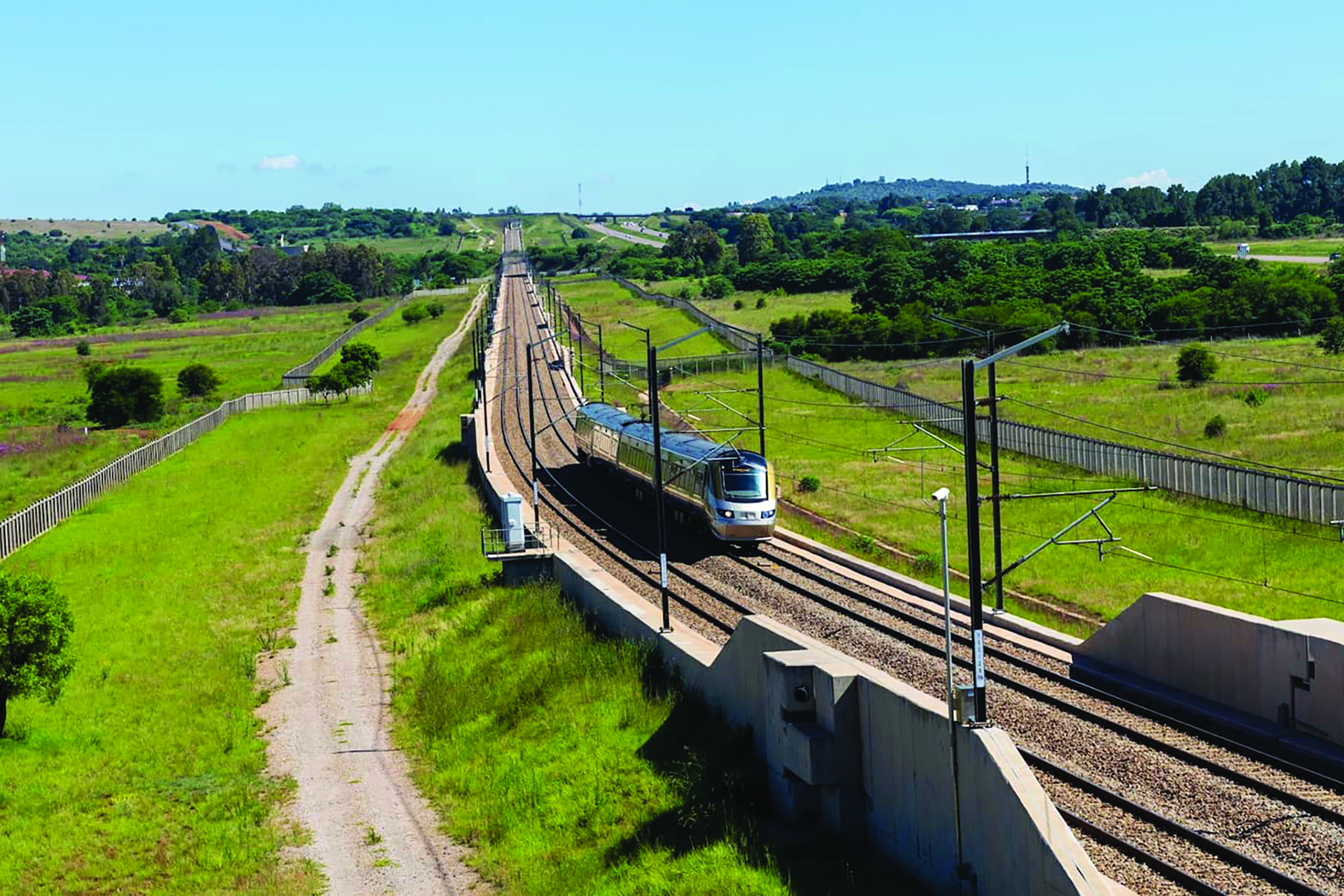
Infrastructure delivery is gaining momentum. A new Gautrain operating agreement has been concluded with National Treasury approval. The new operator will assume responsibility on September 28, 2026.
Planned improvements include extended operating hours, expanded taxi feeder services, upgraded stations, additional trains and greater use of renewable energy.
More than R2bn has been invested in social infrastructure this financial year. Five delayed schools have been completed and 26 refurbishment and upgrade projects are under way.
Projects under the Department of Infrastructure Development’s turnaround strategy are being delivered on time and within budget. Measures to combat the theft and vandalism of traffic infrastructure, including smart technologies and a new Traffic Management Centre, are yielding arrests and reducing costs.
To fulfil its human settlements mandate and expand access to dignified housing, the provincial government has successfully delivered hundreds of homes this year through key projects including Droogeheuwel in the West Rand, Westonaria Borwa, Lufhereng and Jabulani in Soweto.
During the previous financial year, the provincial government surpassed several key development targets. It exceeded goals for housing construction, home allocations to approved beneficiaries and well-located land acquisition. Additionally, the province outperformed projections in delivering serviced sites, distributing First Home Finance subsidies and directing a larger share of its budget to priority development areas.
To further stabilise communities, the department is reclaiming hijacked homes from syndicates and resolving instances where subsidised houses have been unlawfully converted into businesses, such as in Khutsong.
Local government performance continues to show resilience and improvement, even as municipalities navigate ongoing water supply challenges. All 11 municipalities have remained stable and their financial misconduct boards are functioning. Irregular, fruitless and wasteful expenditure is declining.
Mogale City has strengthened its performance, while Midvaal continues to perform strongly. By the end of June, the province had spent 96% of its Municipal Infrastructure Grant allocation. New digital tools such as the e-Indigent Register and Gauteng@YourService are improving efficiency and service delivery.
Water security remains a priority. The Gauteng City Region Water Security Response Plan, backed by the Water Solutions Dashboard, offers real-time monitoring of infrastructure and system performance.
Through the Intergovernmental Relations Water Forum and the Provincial Water Response War Room, the initiative supports quick action, stronger accountability and better coordination across all levels of government.
Environmental performance has also improved, with nearly 200 000 trees planted against a target of 100 000. Environmental programmes have created thousands of work opportunities and enforcement actions against non-compliant waste facilities continue.
In the State of the Province Address, we committed to addressing everyday challenges affecting residents: water shortages, vandalism, faulty traffic lights, poor roads, crime, expanding informal settlements, electricity supply issues, gender-based violence, drug abuse, healthcare and school backlogs, deteriorating urban systems and unemployment.
Over the past six months, we have reduced violent crime, expanded HIV prevention, recovered public funds, advanced lifestyle and forensic investigations, secured new investment, improved public transport and social infrastructure and strengthened municipal performance.
While significant progress has been made, challenges remain, including improving water security, addressing violence against women and vulnerable groups, managing the growth of informal settlements and further strengthening financial controls. The issues continue to receive attention through targeted interventions and enhanced collaboration across all spheres of government.
The people of Gauteng deserve a safer, healthier and better-run province that offers opportunities for all. The progress achieved over the past six months demonstrates that, through focused leadership, partnership and accountability, we can translate priorities into measurable results. We remain committed to building on this momentum as we work to improve the quality of life of every resident in our province.
• Lesufi is the premier of Gauteng.
- SAPS data for Q1 of 2026/27 shows a 3% reduction in contact crimes in Gauteng due to enhanced law enforcement coordination and Operation Shanela.
- Between June and August 2026, 24,390 new people in Gauteng were initiated on HIV prevention treatment via Lenacapavir, with Johannesburg leading at 9,723 new initiations.
- As of June 2026, Gauteng has paid R13.9 billion of its R20.086 billion e-toll debt, leaving approximately R6.17 billion outstanding.
- Over R2 billion has been invested in social infrastructure this financial year, including the completion of five delayed schools and 26 refurbishment projects underway.
- Gauteng has planted nearly 200,000 trees, exceeding its target of 100,000, and environmental programmes have created thousands of jobs while enforcing compliance against waste facility violations.
Six months into the implementation of the G13 priorities outlined in the 2026 State of the Province Address, we are beginning to see encouraging results.
The priorities are aimed at improving the everyday lives of millions of Gauteng residents.
Early progress demonstrates a collective commitment across government to accelerate delivery. While there is work to be done in some areas, the overall trajectory is positive and provides a solid foundation for further progress.
Community safety remains our priority. The SAPS data for the first quarter of the 2026/27 financial year shows a 3% reduction in contact crimes.
Operation Shanela continues to deliver results through high impact operations, targeted arrests and the disruption of organised criminal networks. The gains reflect improved coordination among law enforcement agencies and stronger partnerships with stakeholders and social partners. We are intensifying efforts against gender-based violence and femicide while strengthening community safety interventions.
Healthcare is another critical focus. In June 2026, Gauteng launched the phased roll-out of Lenacapavir, the twice-yearly HIV-prevention injection, at 133 facilities across five districts.
Between June and August, the Department of Health recorded 24 390 new people initiated on treatment.
Johannesburg leads with 9 723, while Sedibeng has shown strong monthly results. Gauteng has made the largest contribution to the national programme, expanding protection against HIV, particularly for women and young people. We will continue to expand access while ensuring continuity of care.
Clean governance underpins everything we do. We are working to rebuild public trust by promoting responsibility and accountability. Lifestyle audits of supply chain management and finance officials are under way. More than 3 000 officials have submitted their forms.
Reports for the Office of the Premier and Cooperative Governance and Traditional Affairs have been completed. Twenty officials from these departments are facing forensic investigations by the Special Investigating Unit. Where wrongdoing is established, action will be taken without exception.
We have reviewed forensic investigation reports from all departments and directed that every recommendation be implemented as a priority.
The 2025/26 audit outcomes show progress and areas requiring tighter control. Five departments retained clean audits, while others received unqualified audits with findings. A few departments regressed, though one improved from a qualified audit the previous year. These results confirm that consistent good governance is achievable but stronger accountability remains essential.
The province continues to settle its e-toll debt responsibly. By the end of June 2026, R13.9 billion of the R20.086bn owed had been paid, leaving approximately R6.17bn outstanding. This repayment trajectory demonstrates fiscal discipline.
Maintaining fiscal responsibility helps build investor confidence and supports steady economic growth. Over the past two years, we have mobilised more than R500bn in investment for priority sectors including energy, manufacturing and technology. We have also supported small, medium, youth-owned and women-owned businesses to strengthen their capacity to access funding and markets.
Infrastructure delivery is gaining momentum. A new Gautrain operating agreement has been concluded with National Treasury approval. The new operator will assume responsibility on September 28, 2026.
Planned improvements include extended operating hours, expanded taxi feeder services, upgraded stations, additional trains and greater use of renewable energy.
More than R2bn has been invested in social infrastructure this financial year. Five delayed schools have been completed and 26 refurbishment and upgrade projects are under way.
Projects under the Department of Infrastructure Development’s turnaround strategy are being delivered on time and within budget. Measures to combat the theft and vandalism of traffic infrastructure, including smart technologies and a new Traffic Management Centre, are yielding arrests and reducing costs.
To fulfil its human settlements mandate and expand access to dignified housing, the provincial government has successfully delivered hundreds of homes this year through key projects including Droogeheuwel in the West Rand, Westonaria Borwa, Lufhereng and Jabulani in Soweto.
During the previous financial year, the provincial government surpassed several key development targets. It exceeded goals for housing construction, home allocations to approved beneficiaries and well-located land acquisition. Additionally, the province outperformed projections in delivering serviced sites, distributing First Home Finance subsidies and directing a larger share of its budget to priority development areas.
To further stabilise communities, the department is reclaiming hijacked homes from syndicates and resolving instances where subsidised houses have been unlawfully converted into businesses, such as in Khutsong.
Local government performance continues to show resilience and improvement, even as municipalities navigate ongoing water supply challenges. All 11 municipalities have remained stable and their financial misconduct boards are functioning. Irregular, fruitless and wasteful expenditure is declining.
Mogale City has strengthened its performance, while Midvaal continues to perform strongly. By the end of June, the province had spent 96% of its Municipal Infrastructure Grant allocation. New digital tools such as the e-Indigent Register and Gauteng@YourService are improving efficiency and service delivery.
Water security remains a priority. The Gauteng City Region Water Security Response Plan, backed by the Water Solutions Dashboard, offers real-time monitoring of infrastructure and system performance.
Through the Intergovernmental Relations Water Forum and the Provincial Water Response War Room, the initiative supports quick action, stronger accountability and better coordination across all levels of government.
Environmental performance has also improved, with nearly 200 000 trees planted against a target of 100 000. Environmental programmes have created thousands of work opportunities and enforcement actions against non-compliant waste facilities continue.
In the State of the Province Address, we committed to addressing everyday challenges affecting residents: water shortages, vandalism, faulty traffic lights, poor roads, crime, expanding informal settlements, electricity supply issues, gender-based violence, drug abuse, healthcare and school backlogs, deteriorating urban systems and unemployment.
Over the past six months, we have reduced violent crime, expanded HIV prevention, recovered public funds, advanced lifestyle and forensic investigations, secured new investment, improved public transport and social infrastructure and strengthened municipal performance.
While significant progress has been made, challenges remain, including improving water security, addressing violence against women and vulnerable groups, managing the growth of informal settlements and further strengthening financial controls. The issues continue to receive attention through targeted interventions and enhanced collaboration across all spheres of government.
The people of Gauteng deserve a safer, healthier and better-run province that offers opportunities for all. The progress achieved over the past six months demonstrates that, through focused leadership, partnership and accountability, we can translate priorities into measurable results. We remain committed to building on this momentum as we work to improve the quality of life of every resident in our province.
• Lesufi is the premier of Gauteng.


