


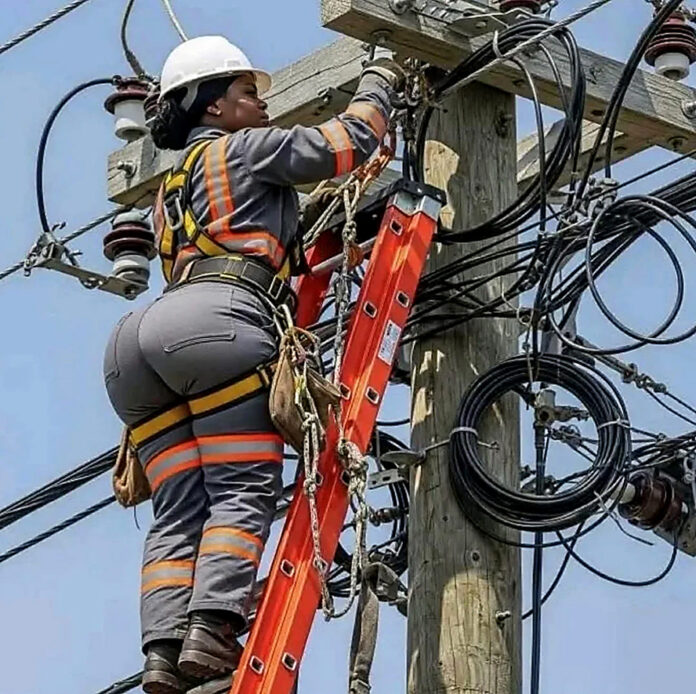
As South Africa commemorates Women’s Month 2026, it is both appropriate and necessary to reflect on the progress made in advancing the rights, opportunities and socio-economic empowerment of women. While much work remains to achieve full gender equality, Gauteng Province has demonstrated through tangible programmes and measurable outcomes that investing in women is not simply a social obligation. it is a catalyst for inclusive economic growth and a more equitable society.
The Gauteng Provincial Government’s performance during the 2025/26 financial year presents compelling evidence of a province that is deliberately placing women at the centre of development. Across employment, entrepreneurship, leadership, healthcare, housing, agriculture, social protection and the fight against gender-based violence and femicide (GBVF), Economic empowerment remains one of the most effective tools for reducing poverty and inequality among women.
During the year under review, more than 35 000 women accessed employment opportunities through the Community Works Programme and the Expanded Public Works Programme, while thousands more participated in empowerment initiatives. Importantly, women constituted 60% of work opportunities created through Provincial Public Works and infrastructure programmes, demonstrating that gender-responsive employment policies can produce meaningful outcomes.
Skills development has also become a cornerstone of women’s empowerment in Gauteng. More than 18 500 women participated in skills development programmes, with targeted training ranging from business compliance and enterprise development to traditionally male-dominated trades such as bricklaying and electrical domestic wiring.
The establishment of the Women in Transport Help Desk further reflects the province’s commitment to opening industries where women have traditionally been underrepresented.
The Office of the Premier consistently exceeded procurement targets for women-owned enterprises throughout the financial year, while province-wide expenditure on black women-owned businesses reached approximately R1.35-billion. This demonstrates that government procurement can be used strategically to transform the economy and expand opportunities for women-owned enterprises.
Beyond economic inclusion, Gauteng has continued to strengthen gender-responsive governance. The implementation of the Gender Equality and Women’s Empowerment Framework 2030, together with a 14% increase in the Gender Responsive Budget from R77.02-billion to R88.08-billion, signals a growing institutional commitment to integrating gender considerations into planning, budgeting and service delivery. Women’s representation in leadership also continues to improve. Women now occupy 49% of senior management service positions across the province.
Perhaps nowhere is government’s commitment more evident than in its response to gender-based violence and femicide. The declaration of GBVF as a provincial disaster strengthened coordination across departments and reinforced the urgency of addressing one of South Africa’s most pressing social challenges. More than 4 000 survivors received support services during the year, while 152 Green Door centres and 22 shelters continued providing critical assistance to victims.
Women’s empowerment also depends on access to quality healthcare. Significant progress has been made in maternal and reproductive health, with nearly three-quarters of pregnant women attending antenatal care before 20 weeks and more than 11 700 cervical cancer screenings conducted. As we observe Women’s Month 2026, these successes are not marking the conclusion of the journey but rather reinforcing our determination to accelerate progress. Gauteng government has laid a strong foundation by investing in women and the achievements demonstrate that meaningful progress is possible when gender equality is placed at the centre of development.
• Mazibuko is the MEC for Health and Wellness in Gauteng and the Executive Council’s Champion for Gender and Youth Development
- During the 2025/26 financial year, over 35,000 women accessed employment opportunities through the Community Works Programme and the Expanded Public Works Programme in Gauteng Province.
- Women made up 60% of the work opportunities created through Provincial Public Works and infrastructure programmes.
- More than 18,500 women participated in skills development programmes, including training in male-dominated trades like bricklaying and electrical domestic wiring.
- Provincial expenditure on black women-owned businesses reached approximately R1.35-billion, with the Office of the Premier exceeding procurement targets for women-owned enterprises.
- Gauteng Province provided support services to over 4,000 survivors of gender-based violence and femicide, through 152 Green Door centres and 22 shelters.


