


In a turbulent year for the global economy, the Medium-Term Budget Policy Statement (MTBPS) we presented on Wednesday showed the value of government’s efforts to restore South Africa’s public finances to health.
We said three years ago we would stabilise the government debt as a share of the economy in the 2025/26 financial year.
We said we would do this by running a growing primary surplus — where revenue exceeds spending (excluding interest) by a widening margin — enabling government to borrow less and eventually reduce the level of debt.
The MTBPS confirms that we have achieved those targets, despite the Middle East conflict that began in February and the global oil price shock that followed. The debt-to-GDP ratio stabilised as promised and at a slightly lower level than expected, at 78.4%.
On track
We have run growing primary surpluses for three-consecutive years. We are on track to continue the trend over the next three years. This will reduce the debt ratio and slow growth in our debt costs over the coming decade.
We are seeing the benefits of keeping our fiscal promises. As investors have gained confidence in improved management of public finances, the risk premium that investors attach to South Africa has reduced.
That has helped to contain our cost of borrowing at a time when global inflation has risen and borrowing costs have ballooned, particularly for the governments of over-indebted advanced countries such as the United States and France.
That, in turn, has helped South Africa’s economy to remain relatively resilient in a tough year for the global economy. We expect the economy to grow at 1.2% this year, lower than the 1.6% we forecast in February but higher than last year’s 1.1%.
Weak economic growth
By contrast, growth in emerging market economies is expected to be 0.8% points lower than last year.
Importantly, we have gained space to increase spending to address social and economic priorities, in a context of still-weak economic growth.
Government revenue is expected to come in much higher than expected for the current fiscal year, helped by high gold and platinum prices that have contributed to a R23.9 billion overrun in gross tax and mining-related revenues.
With the fiscal targets on track, we have been able to set aside R20-billion to invest in critical infrastructure to boost growth. We will also use some of the extra revenue to provide further temporary relief from the fuel levy, cushioning households and businesses from the impact of high global oil prices, as well as for drought relief.
In total, the MTBPS proposes R45 billion of additional spending in the current year. Spending grows by 3.6% over the medium term, to more than R3 trillion in 2029/30.
We will invest this year in further modernisation of the SA Revenue Service, to lower the cost of tax compliance, and in improving the Border Management Authority’s capacity to secure our borders.
Expenditure
Over the medium term, we will fund the appointment of 3 500 additional social workers to support victims of violence against women, bolster frontline health and education services in the provinces and support municipalities to meet the costs of free basic services such as electricity and water.
Unfortunately, South Africa is not yet fully realising the potential of all expenditure. Ensuring that we continue to meet our fiscal targets means we have to do more with less and get more value out of every rand of public money the government spends.
Improving the quality and impact of spending, across all levels of government, is a particular focus of this MTBPS. Targeted and responsible savings have been entrenched as part of the budget process. Government has identified R38.1 billion in savings, over and above last year’s R12 billion, including by closing programmes that are not fit for purpose, cutting administrative expenses and duplication of programmes, and reducing fraud in social grants.
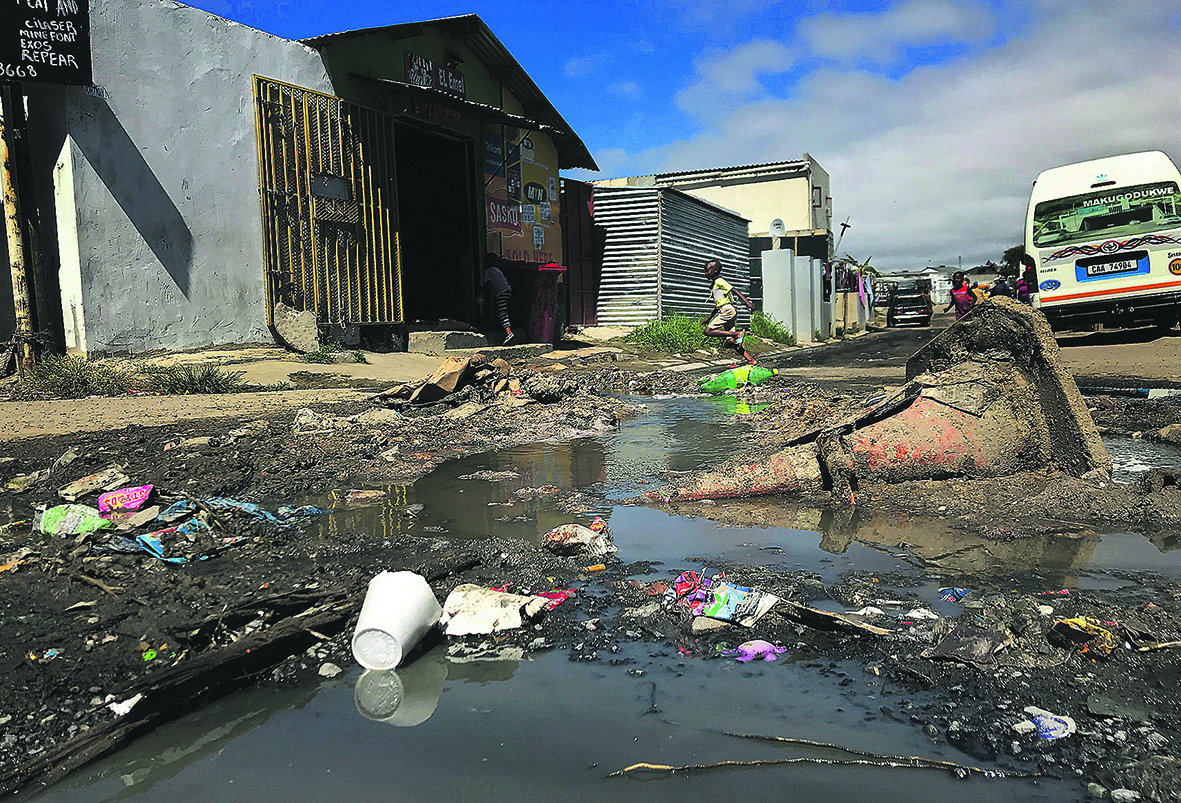
Improving outcomes from public spending is crucial not only at national government level but also in local government. That is especially the case given the financial distress in so many of our municipalities which has undermined their ability to deliver basic services such as water, electricity and sanitation to their residents.
For the first time in this MTBPS, direct allocations to local government have reached just over 10% of available spending. They have the funding, now they must deliver. We are supporting municipalities with funding to improve their ability to collect revenue from services and support investment in essential infrastructure. But we are attaching more conditions to that funding and intervening actively to address non-compliance and mismanagement. Proposed amendments to municipal finance legislation will ensure funded budgets, allow for earlier intervention to address financial distress and a role for treasuries in the appointment of CFOs.
Building state capacity
Building the capacity of the state, including at the local level, is essential to drive higher growth, investment and job creation. It is one of the pillars of government’s growth strategy, along with improving macroeconomic stability through sound fiscal and monetary policy, investing in infrastructure and implementing structural reforms.
The MTBPS reports steady progress on implementing structural reforms. Capital spending grows at 5.3% annually over the medium term, faster than average spending growth of 3.6%, in line with government’s commitment to invest in infrastructure to drive productivity and growth.
Between 2009 and 2023 the public debt tripled and interest payments consumed a growing share of public resources. South Africa cannot afford to go back to that episode. To safeguard the gains of the turnaround in the public finances, we propose writing fiscal discipline into law and will table legislation in 2027 to implement this.
We have worked hard to restore fiscal credibility and we must not squander that. The country has seen the benefits in lower borrowing costs and in the fiscal space to invest in growing the economy and addressing priority needs. Improving the quality and integrity of spending across all levels of government will help us stay on course to reap those benefits.
• Pieterse is director-general of the National Treasury
- The Medium-Term Budget Policy Statement (MTBPS) confirms that South Africa has stabilized its debt-to-GDP ratio at 78.4% by running growing primary surpluses for three consecutive years.
- South Africa's economy is expected to grow by 1.2% in the current year, despite global economic challenges and slower emerging market growth.
- Government revenue exceeded expectations due to high gold and platinum prices, resulting in a R23.9 billion overrun in gross tax and mining-related revenues.
- The MTBPS proposes R45 billion of additional spending this year, including R20 billion for critical infrastructure and relief measures like fuel levy cuts and drought aid.
- Efforts to improve fiscal discipline include targeting R38.1 billion in savings through cutting ineffective programs, reducing administrative expenses, and tackling fraud in social grants.


