


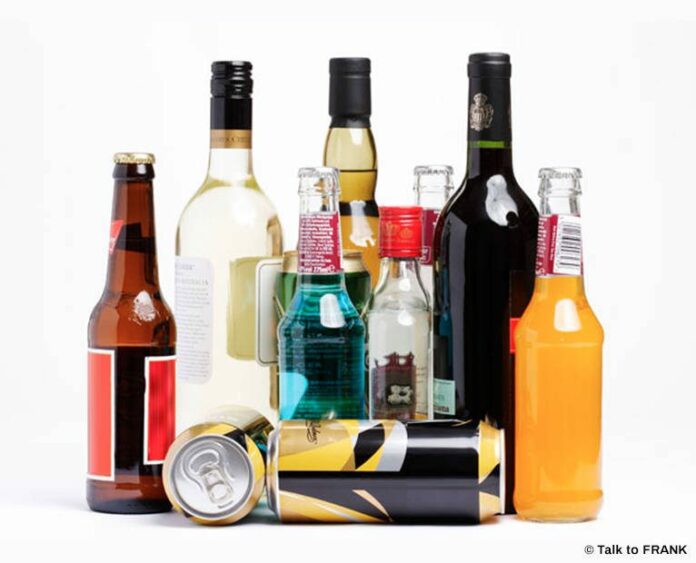
South Africa is a society shaped by deep structural inequality, historical trauma and economic exclusion. In such a context, social harms are produced, reproduced and normalised through systems that profit from vulnerability.
Alcohol abuse is one of the clearest examples of this dynamic. It is not merely an individual behavioural issue; it is a public health, economic and social crisis that intersects with poverty, unemployment, gender-based violence and community breakdown.
It is from this understanding that the Economic Freedom Fighters (EFF) has supported stronger regulation of alcohol advertising and why we have tabled the Liquor Amendment Bill in Parliament.
The World Health Organisation states that while overall alcohol consumption in South Africa is about 7.8 litres of pure alcohol an adult a year, those who consume alcohol drink an average of 27.1 litres of pure alcohol annually.
This translates to at least six drinks a day. The pattern of binge drinking has devastating consequences for public health and safety. A South African study estimated that alcohol contributes to about 62 300 deaths a year, with nearly 60% occurring among poorer South Africans. Alcohol is also causally linked to more than 200 diseases and injury conditions.
Over the past 13 years, the EFF has advanced an argument that freedom without social protection is incomplete. Alcohol-related harm is concentrated in working-class communities, townships, informal settlements and rural areas where unemployment is high and public services are weak. It is in these communities that alcohol is most aggressively marketed, cheaply accessible and socially embedded as a coping mechanism.
Advertising plays a central role in normalising this reality. Alcohol marketing constructs desire, shapes identity and embeds consumption into cultural aspiration. It links alcohol to success, masculinity, social belonging and escape.
In a society marked by structural distress, the messaging reinforces cycles of consumption that generate long-term social harm, including addiction, domestic violence, road fatalities and intergenerational poverty.
The Bill seeks to correct the imbalance by strengthening restrictions on alcohol advertising.
Opposition to stronger alcohol advertising restrictions often relies on arguments about economic freedom, consumer choice and industry contribution to the economy.
These arguments, however, ignore the power imbalance between corporations and consumers, particularly in contexts of poverty. Choice is not free when it is shaped by targeted advertising, limited economic alternatives and social environments structured by lack of recreational options. In such conditions, regulation becomes a safeguard against exploitation.
As the EFF, we have insisted that policy must be evaluated by its impact on the lived reality of the majority and alcohol advertising is no exception.
- Mente is an EFF Member of Parliament
- South Africa faces deep structural inequality, and alcohol abuse is a major public health, economic, and social crisis linked to poverty, unemployment, and community breakdown.
- The Economic Freedom Fighters (EFF) have proposed the Liquor Amendment Bill to strengthen regulations on alcohol advertising, aiming to reduce harm in working-class and marginalized communities.
- Alcohol consumption patterns in South Africa are characterized by high levels of binge drinking, leading to approximately 62,300 deaths annually, mostly among poorer populations.
- Alcohol advertising normalizes harmful consumption by linking drinking to success, masculinity, and social belonging, reinforcing cycles of addiction, violence, and poverty.
- The EFF argues that stronger regulation is necessary to protect vulnerable communities from exploitative marketing, challenging claims that restrictions infringe on economic freedom and consumer choice.


