


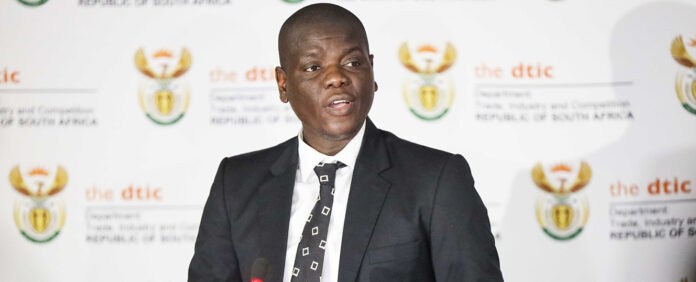
Dirco says complaint does not meet legal threshold for ICC to act
The Department of International Relations and Cooperation (DIRCO) this week rejected a petition filed with the International Criminal Court (ICC) over alleged xenophobic violence in the country in the wake of widespread protests against undocumented migrants and foreign nationals who are in the country illegally. In its response, DIRCO has told the ICC’s Office of the Prosecutor that the petition, filed on July 15, does not meet the legal threshold required for the court to act.
Although there are no clear details on who is behind the petition, according to media reports, it was filed by two Ghanaian nationals.
The petition called on the court to open a preliminary examination into a “pattern of widespread and systematic attacks” against foreign nationals in South Africa, arguing the violence could amount to crimes against humanity under Article 7 of the Rome Statute.
The petitioners also asked the court to examine whether senior South African officials, including President Cyril Ramaphosa, bore responsibility for failing to prevent or punish the attacks.
DIRCO has since told the ICC that the filing failed to satisfy the “statutory legal triggers and jurisdictional requirements necessary for action by the court”.
It added that under the principle of complementarity, South Africa retained full confidence in its domestic legal system, pointing to the Prevention and Combating of Hate Crimes and Hate Speech Act, which it said gives effect to the country’s constitutional and international obligations on racism, racial discrimination, xenophobia and related intolerance by criminalising hate crimes and hate speech.
South Africa has faced a wave of protests against undocumented and illegal immigrants since earlier this year, led by groups such as March and March and other formations, which set a June 30 deadline for those groups of people to leave the country.
More than 160,000 foreign nationals are estimated to have left South Africa over the past two months, according to figures from repatriating governments, with Zimbabwe, Malawi, Mozambique, Nigeria and Ghana among the countries that have organised return transport for their citizens.
Pretoria’s statement was issued on the back of the final communique of the 69th Ordinary Session of the Economic Community of West African States (ECOWAS) Authority of Heads of State and Government held last week.
In a section on the attacks, the bloc’s leaders said they noted the ongoing protests in South Africa targeting people of African descent, particularly West African citizens, with deep concern, and expressed strong condemnation of what they called a recurrent phenomenon.
The authority also urged Pretoria to address the situation and find a permanent solution, while ensuring the safety of West African and other African nationals in the country.
South Africa said it regarded ECOWAS as a vital pillar of continental integration and remained committed, in a spirit of Pan-African solidarity, to dialogue with ECOWAS member states on regional stability and migration.
International Relations Minister Ronald Lamola said he welcomed engaging on migration at the AU heads of state level so that migration across the continent becomes a choice rather than a necessity and called for a dedicated AU agenda item on the root causes of irregular migration. – CGTN
- DIRCO rejected an ICC petition filed on July 15 over alleged xenophobic violence in South Africa, stating it did not meet the legal threshold for court action.
- The petition, reportedly filed by two Ghanaian nationals, accused South Africa of widespread attacks on foreign nationals potentially amounting to crimes against humanity.
- DIRCO emphasized South Africa’s faith in its domestic legal system, highlighting the Prevention and Combating of Hate Crimes and Hate Speech Act.
- Over 160,000 foreign nationals have left South Africa recently due to protests demanding undocumented migrants leave, with some West African countries organizing their return.
- ECOWAS condemned the attacks, urging South Africa to ensure the safety of African nationals and pursue permanent solutions, while South Africa affirmed its commitment to Pan-African dialogue on migration issues.


