


DURBAN – With anti-migrant sentiment escalating in South Africa, Malawian John Allen threw some clothes in a bag, said goodbye to his South African girlfriend and their one-year-old son and left to catch a bus out of the country.
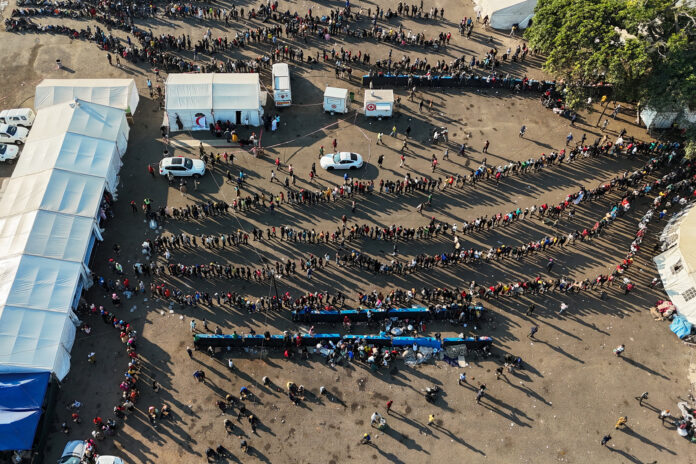
He has been waiting in a makeshift camp in the city of Durban for four days with thousands of other people hoping to depart before June 30, an unofficial deadline set by anti-immigrant groups for all undocumented foreigners to leave.
Although the government has not condoned the deadline and condemns the violence, it has been criticised by other African states and civil society groups for failing to stamp it out.
“The reason I would like to stay is I feel bad for my child. He’s too young. When I’m gone who’s going to support him?” said Allen, 30.
The child’s mother, who is South African, earns only about R500 a week as a cleaner but Allen had been earning four times that doing contract work for a manufacturing company, although he was undocumented.
As anti-immigrant protests surged in recent weeks some of the foreigners in his neighbourhood were beaten up, he said, and now almost everyone has left.
“There’s two options: I can lose my life or I can leave,” he said, standing with other men amid piles of luggage, waiting for a bus.
Many migrants frantically trying to get out
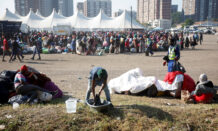
At least hundreds of people remained at the giant empty lot in Durban on Monday, where Malawians flocked for safety before protests due on Tuesday to mark the deadline.
Although they say they target only illegal immigrants, the vigilantes often don’t discriminate and many migrants whose status is legal have been attacked or had their property trashed.
Women and babies huddled together, sitting on cardboard or blankets, while aid groups handed out food and clothing. Some people have been here for a week waiting their turn, with buses departing one after another.
The Department of Home Affairs has set up a tent where it is processing people for deportation, although authorities are focused on moving them out of Durban to a border post in Musina before the protests, which many fear will turn violent, as past ones have.
No one here wanted to risk staying in South Africa. Several said they were afraid they might be killed.
Amadou Awali looked dejected as he held up his phone to show a photo of a toddler. He was leaving two young sons and their mother did not have the means to support them, he said.
“I’m worried for the children,” said Awali, who has been in South Africa doing plumbing and construction work since 2019.
He plans to wait a few months and then come back.
- Rising anti-migrant sentiment in South Africa has forced many undocumented foreigners, including Malawian John Allen, to flee amid threats and violence.
- An unofficial June 30 deadline set by anti-immigrant groups demands all undocumented migrants leave; the government condemns the violence but faces criticism for weak enforcement.
- Thousands of migrants, including women and children, have gathered in a makeshift camp in Durban, awaiting transport to border posts before anticipated violent protests.
- Vigilante groups often attack both undocumented and documented migrants, destroying property and creating widespread fear among foreign communities.
- Aid agencies provide food and clothing to migrants, while authorities process deportations, though many migrants hope to return to South Africa after a temporary departure.


