


Fashion retailer TFG, which owns such brands as Foschini, Markham, Sportscene and Exact, said on Friday it will step up cost cuts, slowing store expansion, reducing capital expenditure and closing underperforming stores and brands after reporting a 33.5% drop in full-year profit.
The group, which also operates in the UK and Australia, said peak-season sales were significantly weaker than planned, leaving excess stock, while trading in its international businesses deteriorated sharply in the second half.
Constrained consumer spending
It cited constrained consumer spending, softer UK department store demand and disruption from a cyber incident affecting a key online concession partner.
Gross margin fell 120 basis points to 48.2% as inventory was cleared, while operating expenses rose 10.7%, outpacing sales growth and weighing on profitability.
Headline earnings per share for the year ended March 31 fell to 675.4cents, and operating profit slumped 36% to R3.9-billion, also reflecting non-cash impairments on the Phase Eight brand in the UK and Tarocash and yd. in Australia.
Revenue rose 7.2%, with retail turnover up 7.1% at R62.4-billion.
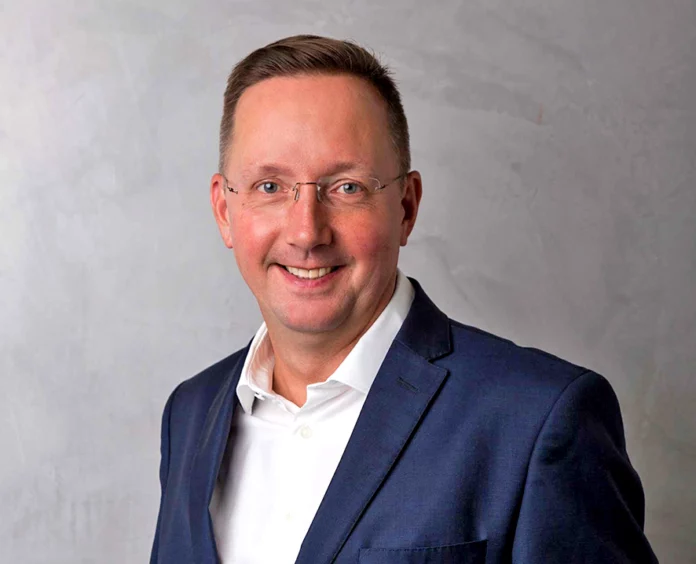
CEO Anthony Thunstrom told investors TFG’s recent acquisition-driven expansion had increased complexity and diluted returns in a weak market.
“There is a need for us to simplify our structures and structurally reduce our cost of doing business,” he added.
Loss-making stores to close
TFG has identified about 300 underperforming or loss-making stores and plans to close more than 100 over the year ahead, Thunstrom said.
As it slows down store expansion and reduces store capital expenditure, TFG will leverage its Bash online platform and fulfilment network to drive capital-light growth in South Africa.
New Zealand operations are also under review.
Cost-saving measures intensified in the second half, including cutting R300-million of planned spending in Africa and reducing head office and store costs in Australia and the UK.
Excess inventory has substantially cleared, with group inventory up just 1.7% at year end. Capital expenditure was pulled back by more than R600-million, lending tightened, and cash flow prioritised, Thunstrom said.
- TFG reported a 33.5% drop in full-year profit, with operating profit down 36% to R3.9 billion, due to weaker sales, excess inventory, and non-cash impairments in international brands.
- The group will slow store expansion, reduce capital expenditure by over R600 million, and close more than 100 underperforming or loss-making stores out of 300 identified.
- Constrained consumer spending, soft UK department store demand, and a cyber incident impacting an online partner contributed to weaker trading, especially internationally.
- Gross margin fell by 120 basis points to 48.2%, operating expenses rose 10.7%, and headline earnings per share dropped to 675.4 cents amid inventory clearance efforts.
- CEO Anthony Thunstrom emphasized simplifying business structures, cutting costs, leveraging the Bash online platform for capital-light growth in South Africa, and reviewing New Zealand operations.


