


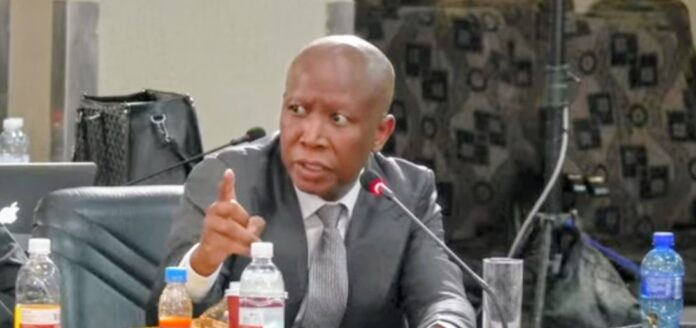
Parliament has clarified that the custodial sentence handed down to Economic Freedom Fighters (EFF) leader Julius Malema does not immediately affect his status as an MP, as the matter is now subject to an appeal.
Parliament spokesperson Moloto Mothapo said there are no direct constitutional consequences at this stage, stressing that the legal process must first be finalised before any action can be considered.
“As the matter is now subject to the appeal process, no immediate constitutional implications arise for Mr Malema’s membership status,” Mothapo said.
Appeal processes have to be exhausted first
Under Section 47 of the Constitution, a person may be disqualified from serving in the National Assembly if they are convicted of an offence and sentenced to more than 12 months’ imprisonment without the option of a fine.
However, this applies only once a conviction is final and all appeal processes have been exhausted.
In practice, this means that where a matter is still being challenged in court, the conviction is not regarded as final for constitutional purposes. As a result, Parliament cannot act on disqualification provisions while an appeal is pending.
EFF claims vendetta
Malema was sentenced to five years imprisonment on several counts linked to firearm-related offences at the East London Regional Court. Magistrate Twanet Olivier later granted leave to appeal the sentence but refused to do the same with the conviction.
The EFF has already indicated its disagreement with aspects of the judgment and is expected to pursue legal avenues to challenge the ruling.
In a statement, the party argues that the matter unfolds in a “highly politicised environment” aimed at criminalising a revolutionary political voice.
Party decries ‘procedural irregularities’
It argues that arguments presented by its legal team, led by Adv Tembeka Ngcukaitobi, show there is no intention to cause harm.
The party raises further concerns about alleged procedural irregularities in the handling of evidence and the treatment of a co-accused, arguing that these issues undermine the credibility of the prosecution.
Following proceedings the leader of the red berets also bashed the magistrate and associated her with right-wing organisation AfriForum.
Addressing his supporters outside of the court, he called Olivier “racist” and said he was relieved not see her “ugly face” since the appeal will be heard at a higher court.
- Parliament stated that Julius Malema’s custodial sentence does not immediately affect his MP status since the conviction is under appeal.
- Constitutional disqualification from Parliament only applies after all appeal processes have been exhausted and the conviction is final.
- Malema was sentenced to five years for firearm-related offences; the sentence is appealed but the conviction stands, pending further legal challenges.
- The EFF claims the case is politically motivated to criminalize their leader and highlights procedural irregularities and selective prosecution by the National Prosecuting Authority.
- Malema publicly criticized the magistrate, accusing her of racism and associating her with right-wing group AfriForum, expressing relief his appeal will be heard by a higher court.


