


The Democratic Alliance (DA) wants political parties entering into coalition agreements with the party to support the strict implementation of the no-work, no-pay principle for municipal employees who participate in industrial action.
The proposal forms part of a series of governance and financial measures the party wants prospective coalition partners to embrace as negotiations to form municipal governments gather momentum following the November 4 local government elections.
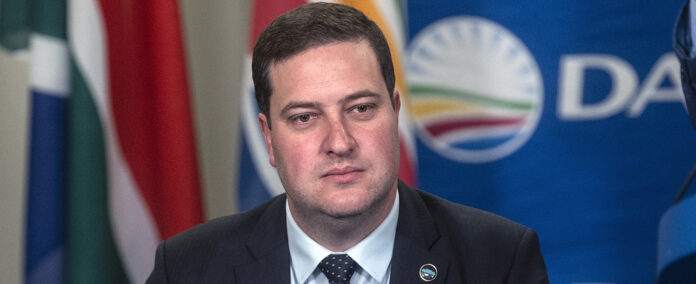
DA leader Geordin Hill-Lewis released a four-page discussion document titled Principles and Programmes for Coalition Governments on Monday, outlining the party’s priorities for the 2026–2031 municipal term.
The party document calls for “strictly implementing the ‘no work, no pay’ rule for industrial action”, alongside measures to contain municipal wage bills and improve financial management.
READ: DA leaves door open to ANC coalitions, but no chance for EFF deal
The party also wants municipalities to spend no more than 30% of their revenue on salaries and wages, a proposal that could have implications for municipal workers and organised labour.
The proposals come as political parties scramble to form governments in hung councils, with negotiations in Gauteng’s three major metros of Johannesburg, Tshwane and Ekurhuleni attracting particular attention.
They also come amid reluctance within the African National Congress (ANC) to enter into coalition arrangements with the DA. At last week’s ANC national executive committee (NEC) meeting in Boksburg, most members supported the view that cooperation with the DA should be considered only as a last resort.
This is despite the ANC’s own 2023 coalition framework advocating that the largest party should lead a coalition government, a principle that could favour the DA in the three Gauteng metros.
In a separate statement, Hill-Lewis said the document was intended to make the DA’s negotiating position clear to prospective partners and the public.
“The public is entitled to know what the DA is advocating in these discussions, what we are seeking to achieve and what commitments any government the DA will help form will undertake,” he said.
Beyond its proposals on industrial action and municipal wages, the DA wants coalition partners to commit to professional municipal administrations, with appointments based on qualifications and competence rather than political connections.
The party is also calling for a strict separation between political parties and municipal administrations to prevent public resources and appointments from being used for political gain.
On infrastructure, the DA wants municipalities to work towards spending at least 8% of the value of their property, plant and equipment on maintenance, while allocating 15% of budgeted revenue towards capital expenditure and infrastructure development.
READ: Business urges stable metro coalitions as election results leave major cities hung
The party is also advocating greater private-sector participation in infrastructure development through public-private partnerships where municipalities lack sufficient resources.
Other priorities include reliable water and electricity supplies, improved waste collection, stronger municipal law enforcement, safer public transport and the release of municipal land for affordable housing.
Hill-Lewis said decisions taken during the current coalition negotiations would have lasting consequences for communities.
“The decisions political leaders take now will shape people’s lives for years to come. We have a responsibility to build stable governments that restore reliable services, create opportunities for work and give residents confidence in the future of their communities.”
The DA has also committed to publishing any coalition agreements it concludes, allowing residents to scrutinise the commitments made by participating parties.
However, the document does not identify preferred coalition partners or outline how mayoral positions and other executive posts should be allocated. Instead, it proposes that parties agree on broad governance principles before developing programmes tailored to the needs of individual municipalities.
- The Democratic Alliance (DA) proposes that coalition partners strictly implement the no-work, no-pay principle for municipal employees participating in industrial action.
- The DA seeks to limit municipal spending on salaries and wages to no more than 30% of revenue and improve financial management.
- The party calls for professional municipal administrations with appointments based on competence, and a strict separation between political parties and municipal administrations.
- The DA advocates that municipalities spend at least 8% of their property, plant, and equipment value on maintenance and allocate 15% of budgeted revenue to capital expenditure and infrastructure.
- The DA commits to publishing any coalition agreements it forms to allow public scrutiny but does not specify preferred coalition partners or executive post allocations.


