


The allegations of criminality facing President Cyril Ramaphosa may place his case in a different category from previous attempts to stop parliamentary impeachment inquiries, the Western Cape High Court heard on Wednesday.
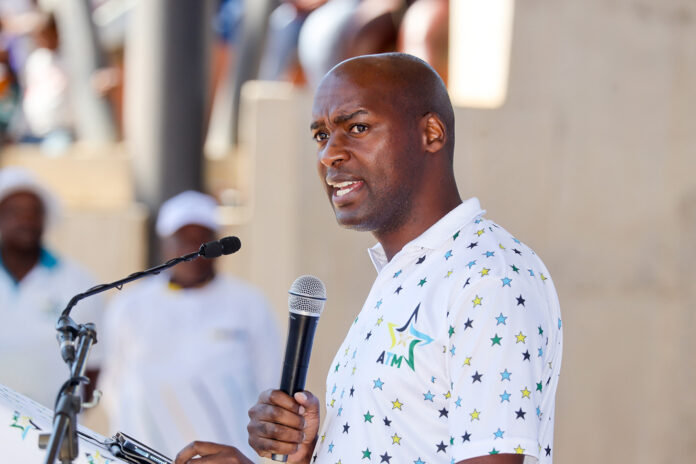
Adv Anton Katz SC, representing the African Transformation Movement, led in Parliament by Vuyo Zungula, argued that Ramaphosa had failed to establish irreparable harm and had not challenged Parliament’s decision to continue with the Phala Phala impeachment process.
Katz said Parliament had considered Ramaphosa’s request for a suspension and decided to continue.
“They could have stopped,” Katz said. “They chose not to stop. They chose not to hold the thing in abeyance.”
He said Ramaphosa had not alleged that the decision was unlawful or unconstitutional.
“There is no suggestion by anybody, not by the president and not by his counsel, that the decision was a bad decision,” Katz said.
“This court will, in the circumstances, not interfere with that decision.”
Judge André le Grange tested the argument.
“So you are saying that because the Speaker said, ‘We leave it up to the chairperson of the impeachment committee,’ and that decision has not been challenged, the president cannot now come and cry foul?”
Le Grange then asked why Ramaphosa needed to challenge Parliament’s decision when the Constitutional Court had said the panel report remained effective unless and until it was set aside.
‘Parliament’s choice to continue remains lawful’
Katz replied that Parliament’s choice to continue remained lawful and that a court should not intervene in an unchallenged parliamentary process.
Judge Diane Davis questioned Katz on the harm Ramaphosa might suffer if the committee used the report before the review was decided.
“What damage?” Katz asked.
Davis answered that the committee could question Ramaphosa using a report which was presently valid but might later be declared unlawful.
“The damage could be that the people are using a report that is currently lawful that will turn out to be unlawful if the review court decides that,” she said.
“So they are using unlawful methods to question him. That’s the damage.”
‘No irreparable harm’
Katz said being required to appear and answer questions did not constitute irreparable harm. He relied on previous full-bench decisions refusing to suspend the impeachment proceedings against former public protector Busisiwe Mkhwebane.
Davis asked whether the cases were truly comparable.
“What are we to make of the different context?” she asked.
“Adv Mkhwebane was facing allegations of incompetence. The president in this case is facing allegations of criminality.”
She said Ramaphosa was also being confronted with claims that he was unfit to remain in office.
‘Higher threshold of damage’
“There is an argument to be made that those cases are distinguishable because here the president faces a higher threshold of damage,” Davis said.
“The very fact that he is going into the witness box to answer questions of criminality and a presumed lack of fitness for office is damaging in and of itself.”
Katz answered that the seriousness of the allegations strengthened the public interest in the inquiry rather than Ramaphosa’s case for stopping it.
“Because it is criminality, the public deserves to know what the highest public official in this country says about those allegations,” Katz said.
He also argued that Ramaphosa’s review application already asked the court to set aside any steps taken by Parliament under the report if the review succeeded.
That remedy, Katz said, meant the eventual review judgment would not be rendered ineffective by the committee proceeding in the meantime.
- The Western Cape High Court heard arguments that President Cyril Ramaphosa’s alleged criminality makes his impeachment case unique compared to previous cases.
- Advocate Anton Katz SC argued Ramaphosa failed to prove irreparable harm and did not challenge Parliament’s decision to continue the Phala Phala impeachment process.
- Katz maintained Parliament’s choice to proceed was lawful and should not be interfered with by the court since no decision was contested by Ramaphosa.
- Judge Diane Davis highlighted the potential damage to Ramaphosa if the committee used a report now valid but potentially unlawful later, stressing the seriousness of criminal allegations.
- Katz countered that the severity of allegations increases public interest in transparency and the inquiry, with a court review available to address any wrongful steps by Parliament.


