


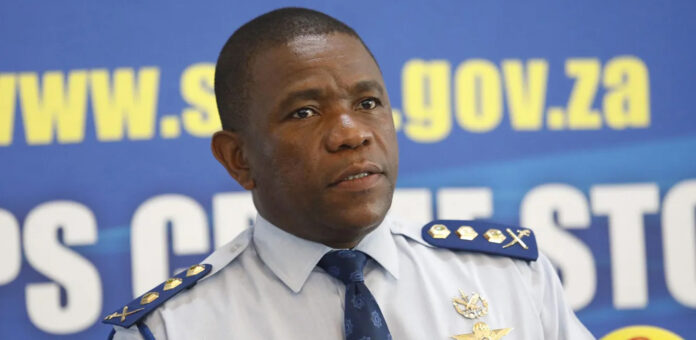
KwaZulu-Natal police commissioner Lt-Gen Nhlanhla Mkhwanazi has raised the alarm over alleged rogue lawyers before Parliament but the claims must pass the test of evidence before the regulator can intervene, the Legal Practice Council says.
The LPC has moved to obtain the names and evidence behind Mkhwanazi’s claims after its executive discussed the allegations at a meeting on Thursday morning, Sunday World understands.
According to information provided to the newspaper, the council has written to Mkhwanazi, asking him to lodge a formal complaint if he wants the alleged conduct investigated.
If there is an active police investigation, the LPC is understood to have indicated that it could await that process before deciding how to proceed. The council had not confirmed the contents or dispatch of the letter by publication.
Its public statement confirms the first part of that accountability chain. “The allegations are serious and require careful consideration,” the LPC said.
It said it would engage Mkhwanazi and request “further information regarding the legal practitioners allegedly implicated, as well as any available evidence supporting the allegations.”
For now, the LPC has not announced a misconduct investigation but a process to establish whether there is enough to justify one.
The distinction matters because Mkhwanazi’s claims, however serious, do not by themselves establish professional misconduct.
The Legal Practice Act provides for investigating committees to investigate complaints against practitioners. Section 38 says complaints of misconduct must be lodged in writing.
But that does not mean the LPC is powerless until somebody formally complains.
In a May 2025 statement explaining its disciplinary processes, the LPC said it was responsible for addressing allegations of unprofessional conduct “regardless of how the council becomes aware of them”.
It said it could initiate probes into conduct in the public domain, including conduct seen during televised proceedings.
A formal complaint is, therefore, not necessarily the only doorway into an LPC investigation. The obstacle is, therefore, not necessarily the absence of a complainant.
It is whether Mkhwanazi can give the regulator sufficiently specific information capable of being tested.
“Any allegations of professional misconduct will be considered fairly and dealt with through the prescribed legal and regulatory processes,” the LPC said.
- KwaZulu-Natal police commissioner Lt-Gen Nhlanhla Mkhwanazi alleged the existence of rogue lawyers before Parliament.
- The Legal Practice Council (LPC) is seeking evidence and names related to Mkhwanazi’s allegations after discussing them in a meeting.
- The LPC has requested Mkhwanazi to submit a formal complaint to initiate an investigation and may await any active police investigation results.
- The LPC stated that allegations require careful consideration and do not automatically prove professional misconduct without investigation.
- The LPC can investigate unprofessional conduct independently, even without a formal complaint, if there is public domain information available.



LPC to get lawyers bank accounts and also from those who have requested the lawyers to represent them in cases and please leave out the General