


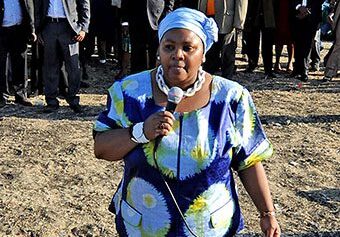
Former National Assembly speaker Nosiviwe Mapisa-Nqakula has admitted that the ANC made a mistake by using its parliamentary majority to stop the adoption of the Section 89 panel report on the Phala Phala matter.
In a conversation with Mbuyiseni Ndlozi on the African Renaissance Podcast, Mapisa-Nqakula revisited the parliamentary process that followed an independent panel’s finding that there was prima-facie evidence for parliament to examine regarding President Cyril Ramaphosa and the 2020 theft at his Phala Phala farm in Limpopo.
“I hang my head in shame because we could have done better,” said Mapisa-Nqakula, who was the speaker of the National Assembly when the Section 89 Phala Phala report was debated and voted on in parliament in 2022.
She said the party’s secretary-general, Fikile Mbalula, instructed ANC caucus members not to back the report when it came before the National Assembly.
According to Mapisa-Nqakula, Mbalula made it clear to MPs that none of them were expected to vote in favour of its adoption.
When asked whether the ANC had misused its majority, Mapisa-Nqakula responded candidly: “I hate to say this, but we did.”
Allegedly received R4.5m in bribes
She added that directing MPs in that manner was unnecessary and said the matter could have been handled with greater political maturity.
The former speaker is making these comments as she faces charges related to allegations that she solicited and received R4.5-million in bribes during her tenure as the defence minister, a role she held from June 2012 to August 2021.
The criminal charges resulted in her resignation as speaker of parliament.
The controversial vote took place in December 2022, where Nkosazana Dlamini-Zuma, Mervyn Dirks, Supra Mahumapelo, and Mosebenzi Zwane openly defied the party line as MPs.
Another MP, Tandi Mahambehlala, seemed undecided as she initially voted for the adoption of the report but then backtracked on this decision.
With 214 votes against the adoption of the report, 148 voted for it, and two MPs were absent. As a result, Ramaphosa escaped possible impeachment.
Constitutional Court ruling
The Constitutional Court ruled on Friday that the National Assembly rule allowing MPs to block a full impeachment inquiry was unconstitutional.
Delivering the majority judgment, Chief Justice Mandisa Maya found that the parliamentary process used to prevent a full inquiry into Ramaphosa’s conduct was inconsistent with the constitution and invalid.
The case was filed in 2022 by the EFF, with support from the African Transformation Movement, following allegations linked to the Phala Phala burglary.
Following the ruling, the EFF announced that it had written to National Assembly Speaker Thoko Didiza, calling for the immediate establishment of a parliamentary impeachment committee.
- Former National Assembly speaker Nosiviwe Mapisa-Nqakula admitted the ANC erred by blocking the adoption of the Section 89 panel report on President Ramaphosa’s Phala Phala farm theft case using its parliamentary majority.
- Mapisa-Nqakula revealed that ANC secretary-general Fikile Mbalula instructed MPs not to support the report, which she believes could have been handled with more political maturity.
- The December 2022 vote to block the report passed with 214 against, 148 for, allowing Ramaphosa to avoid impeachment despite some MPs defying the party line.
- The Constitutional Court ruled that the parliamentary rule allowing MPs to block a full impeachment inquiry was unconstitutional and invalid, supporting a case filed by the EFF.
- Mapisa-Nqakula faces separate criminal charges for allegedly soliciting R4.5 million in bribes during her tenure as defence minister, leading to her resignation as speaker.


