


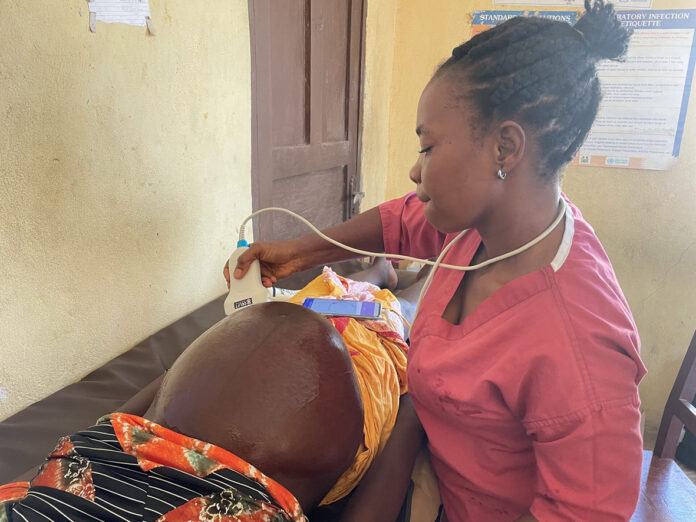
Women in Limpopo and the Eastern Cape travel up to 300km to access reproductive healthcare services, with many subsequently being denied the right to terminate pregnancies with dignity.
A report by Section 27 and the Centre for Child Law found that some healthcare workers are denying women legal abortions, on the basis of moral and religious beliefs.
The research into the report, titled Barriers to Abortion Services in the Eastern Cape and Limpopo: 2026, was conducted between 2024 and 2026.
Its findings indicate that women in the provinces also wait weeks for treatment and in some cases are turned away by healthcare workers invoking “conscientious objection”.
Researchers who monitored 80 public healthcare facilities found widespread staff shortages, medicine stock-outs and severe shortages of facilities providing abortion services.
“Women and girls are denied access to abortion services in an arbitrary and discriminatory manner under the guise of conscientious objection,” the report states.
Although Limpopo lists 52 designated abortion facilities, only 21 were providing abortion services during the study period, while both Limpopo and the Eastern Cape had only three facilities, each providing second-trimester abortions.
Abortion Support executive director Victoria Satchwell said the findings reflected what many women experienced daily when trying to access lawful abortion services.
She noted that while conscientious objection was widely practised, it had no explicit legal foundation in the Choice on Termination of Pregnancy Act.
“Behind every refusal is a woman left without care she is legally entitled to — and given gestational age limits, delay can and often does mean denial,” she said.
The National Department of Health told Sunday World that although the act did not expressly recognise conscientious objection, the National Clinical Guidelines for its implementation set out how healthcare workers who objected to abortion procedures must conduct themselves.
Department spokesperson Foster Mohale said healthcare workers’ constitutional right to freedom of religion and conscience could not be exercised at the expense of patients.
He said healthcare workers who objected to performing abortions must immediately refer patients to another qualified provider or facility and were never allowed to refuse emergency treatment.
The Limpopo Department of Health confirmed to Sunday World that an increasing number of healthcare workers were invoking conscientious objections, disrupting service delivery.
Department spokesperson Neil Shikwambana said the department would investigate allegations contained in the Section27 report wherein healthcare workers were suspected of illegally denying patients access to abortion services.
“It (conscientious objection) does not exempt any healthcare worker from providing mandatory pre-operative care, emergency stabilisation, post-operative recovery monitoring or basic dignified nursing care,” he said.
Shikwambana warned that “clear disciplinary avenues will be enforced for staff who use personal beliefs to obstruct care, judge patients or unlawfully turn away minors”.
However, the Eastern Cape Department of Health disputed several findings in the report, arguing that many of them reflected conditions that existed during the 2024 research period.
Department spokesperson Siyanda Manana said stigma and personal beliefs had previously discouraged nurses from volunteering for abortion services but the province had since expanded training and increased provider numbers.
“The situation has changed now as compared to 2024,” he said.
Manana said the province had nine facilities providing second-trimester abortions, compared with the three cited in the report.
Not In My Name International national organiser Boitumelo Thage said: “Healthcare workers are entitled to their religious beliefs and moral convictions and those rights should be respected.
“Equally, women have a constitutional right to access reproductive health-care services.”
The Democratic Nursing Organisation of South Africa defended nurses.
National spokesperson Sibongiseni Delihlazo said nurses took a professional pledge requiring patient care to come before personal beliefs.
- Women in Limpopo and the Eastern Cape travel up to 300km for reproductive healthcare, but many face denial of legal abortions due to healthcare workers' moral and religious objections.
- A report by Section 27 and the Centre for Child Law found widespread staff shortages, medicine stock-outs, and limited facilities offering abortion services, with some healthcare providers invoking “conscientious objection” to refuse care.
- Limpopo has 52 designated abortion sites but only 21 provide services; both provinces have just three facilities offering second-trimester abortions during the study period.
- Healthcare workers’ conscientious objection is not legally recognized under the Choice on Termination of Pregnancy Act and must not impede patient care; refusal to provide or refer for abortions is subject to investigation and disciplinary action.
- Eastern Cape authorities dispute some report findings, noting improvements since 2024 with expanded training and increased abortion service facilities, while stakeholders emphasize balancing healthcare workers’ beliefs with women’s constitutional rights.


