


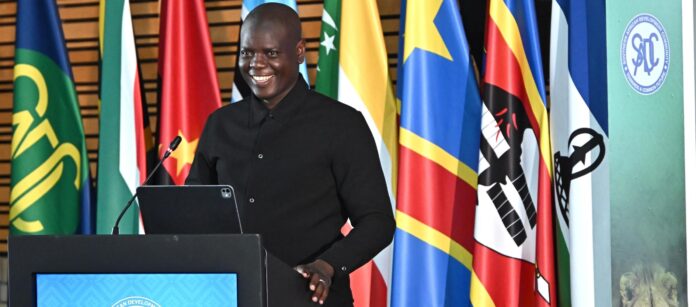
Foreign affairs ministers from the Southern African Development Community (SADC) countries have called for urgent regional unity and economic self-reliance as global geopolitical tensions continue to place pressure on Southern African economies.
Meeting at a three-day retreat in Skukuza, at the Kruger National Park in Mpumalanga, ministers warned that ongoing conflicts in the Middle East, climate-related pressures and disruptions to global trade are worsening food insecurity, fuel prices and exchange-rate instability across the region.
The high-level retreat, held from May 22 to 24, focused on how the region can shield itself from mounting international economic shocks and build stronger regional resilience.
Commitment to collective action
In the Skukuza outcome statement released on Sunday, the ministers said “intensifying geopolitical rivalry” and disruptions to global systems were “driving higher food and fuel prices, exchange-rate volatility, and increasing risks to food and energy security across member states”.
The ministers agreed that Southern Africa could no longer rely heavily on external powers and fragmented economic systems if the region wanted to withstand global instability.
They reaffirmed their “commitment to collective action aimed at strengthening resilience, deepening regional integration, and advancing sustainable development across the member states”.
The retreat identified five major priority areas for collective action. These include financing regional integration and managing public debt; industrialisation and regional trade; infrastructure and free movement of goods and people; energy, oil, gas and mineral resources; as well as agriculture and food security.
The ministers also stressed the need to strengthen domestic revenue mobilisation and regional institutions to reduce dependency on foreign funding and improve economic sustainability.
Rising debt levels
The meeting comes at a time when several African economies are facing rising debt levels, volatile currencies and increased living expenses linked to international conflicts and shifting global alliances.
South Africa, which hosted the retreat, has recently also faced diplomatic pressure from the United States over issues relating to trade, foreign policy positions and disinformation campaigns.
SADC leaders believe greater regional cooperation could help cushion member states from external economic shocks while improving trade within the bloc.
In the statement, ministers said the outcomes of the retreat should serve as a “practical roadmap for accelerated implementation, enhanced accountability, and strengthened regional coordination”.
The gathering concluded with renewed commitment towards advancing the SADC Vision 2050 agenda, which envisions “a common future within a regional community that ensures economic well-being, improved standards of living and quality of life, freedom, social justice, and peace and security for the people of Southern Africa”.
- SADC foreign affairs ministers met in Skukuza, South Africa, emphasizing urgent regional unity and economic self-reliance amid global geopolitical tensions impacting Southern African economies.
- They highlighted challenges such as Middle East conflicts, climate pressures, and global trade disruptions fueling food insecurity, fuel price hikes, and exchange-rate volatility.
- Ministers committed to collective action focusing on five priority areas: regional integration financing, industrialization and trade, infrastructure and free movement, energy resources, and agriculture/food security.
- The retreat called for strengthening domestic revenue and regional institutions to reduce dependency on foreign funding and improve economic sustainability.
- The meeting reinforced dedication to the SADC Vision 2050 agenda promoting economic well-being, social justice, peace, and security across the region.


