


By Setumo Stone
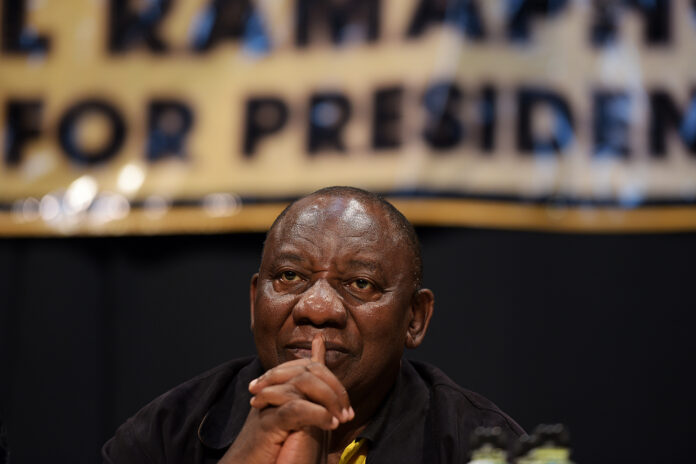
Former Prasa security chief Alexio Papadopulo says the laptop and cellphone police seized from him as evidence in a tender corruption probe contained not only Prasa -related matters but also sensitive political and security information throughout his career, like President Cyril Ramaphosa’s CR17 ANC presidential campaign.
While police say the devices must be analysed before prosecutors decide whether to charge Papadopulo, he told the Pretoria High Court that the devices contain information linked to some of the country’s most sensitive political and security operations.
On Friday, he told Sunday World the confidential data included work connected to the CR17 campaign, presidential protection structures, the State Security Agency and Crime Intelligence.
He is now fighting to prevent further access to those copies, arguing that the search warrant used by police was too broad and exposed material far beyond the alleged Prasa corruption investigation. The application to review and set aside the warrant was postponed on Thursday until November.
Police suspect that Papadopulo facilitated subcontracting arrangements at Prasa estimated at R60-million for the benefit of alleged underworld kingpin Ralph Steinfield. In court papers,
Papadopulo, now based in Italy after losing his job, denies any relations with Steinfeld or his associates.
The stakes for Papadopulo are also personal. He tells the court the investigation had already cost him his job, damaged his reputation and forced him to seek work outside South Africa.
Papadopulo’s exchange with Sunday World noted that his security career involved work “carried out for the CR17 campaign and subsequently for the presidential protection services, the State Security Agency of South Africa, as well as the SAPS crime intelligence services”.
Papadopulo argues that unauthorised access to such information could have serious consequences because it relates to presidential campaigns, security structures and intelligence work.
The CR17 reference comes as part of his broader argument that the police search went beyond a normal corruption investigation. The search warrant, however, was issued in connection with an investigation into alleged criminal offences linked to Prasa matters. The warrant lists allegations including fraud, forgery and uttering, corruption-related offences, racketeering and money laundering.
It authorised investigators to seize electronic devices and create forensic mirror images of the materials. The warrant records that the Cyber Crime Unit, Crime Intelligence, the Hawks and the South African Banking Risk Information Centre would assist with forensic analysis and access.
The State argues the devices remain important evidence. Senior state advocate Nathan Adriaanse, acting for the National Prosecuting Authority, says the material was seized for purposes of a criminal investigation and that returning or restricting access to the evidence before the investigation is complete would be premature.
He says forensic imaging was not the end of the investigation. Investigators still need to analyse the contents, identify documents of interest, establish authenticity and obtain further corroboration before prosecutors decide whether criminal charges should follow.
Papadopulo’s legal attack is that investigators are trying to build a case from a warrant that was defective from the start.
He says the state admits that a deeds search did not establish that he owned the Pretoria property used in the warrant process. He further argues that the warrant was too broad because it relied on extensive lists of names, words, telephone numbers and periods that allowed investigators to search the contents of electronic devices widely.
Papadopulo says the state cannot repair those defects later by providing explanations in court papers. “The legality of a warrant is assessed objectively” by looking at the warrant, the information placed before the issuing magistrate and the legal requirements governing searches, he argues.
The state disputes that the investigation should be halted. It argues that the court should not decide the criminal merits at this stage and that investigators must be allowed to complete their work.
Papadopulo says he is not asking the court to determine whether he committed any offence.
- Alexio Papadopulo, former Prasa security chief, says the laptop and cellphone seized by police contain sensitive political and security information including work related to President Cyril Ramaphosa's CR17 campaign.
- Papadopulo is contesting the search warrant, arguing it was too broad and exposed material beyond the Prasa corruption investigation; the warrant review was postponed until November.
- Police suspect Papadopulo facilitated subcontracting arrangements at Prasa worth approximately R60-million linked to alleged underworld kingpin Ralph Steinfield, which Papadopulo denies.
- The search warrant was issued for alleged criminal offences related to Prasa, including fraud, corruption, racketeering, and money laundering, authorizing seizure and forensic imaging of devices.
- The National Prosecuting Authority insists investigation must continue, stating forensic analysis is ongoing and no decision on charges has been made, while Papadopulo insists the warrant is legally defective.


