


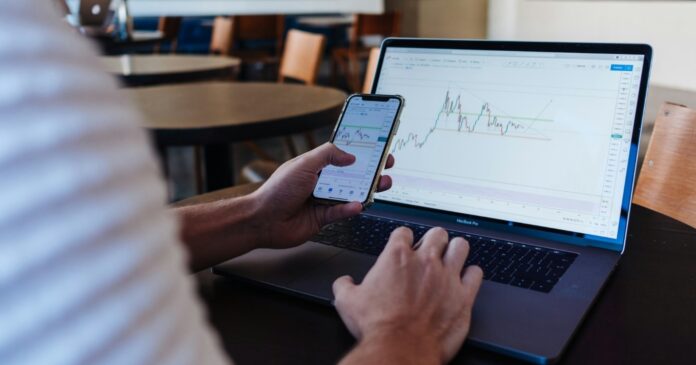
South African traders have more choice than ever, but that choice also comes with a fair amount of noise. A broker may look polished online, offer tight looking spreads, and talk confidently about fast withdrawals, yet none of that matters much if the company is not properly authorised. In a market where retail forex has become popular from Johannesburg to Durban, the first smart move is not opening an account. It is checking the licence.
The Financial Sector Conduct Authority, widely known as the FSCA, is the key regulator South African traders should pay attention to. Its role is to supervise financial service providers, protect market conduct, and help keep the financial system more trustworthy for ordinary investors. Why does this matter? Because in forex, your broker is not just a platform. It is the gatekeeper between your capital and the market.
That is why traders searching for the best forex brokers in South Africa should start with FSCA licence verification before comparing bonuses, spreads, trading tools, or account types. A verified licence does not remove trading risk, but it gives traders a stronger starting point. Think of it like checking a taxi’s registration before a long ride through Gauteng traffic. The destination still matters, but safety comes first.
1. It Confirms the Broker Is Properly Authorised
FSCA verification helps traders confirm whether a broker is legally allowed to offer financial services in South Africa. This is the first filter. Without it, traders may be dealing with a company that looks professional but operates outside the local regulatory framework.
A properly authorised provider is expected to meet certain conduct standards, follow regulatory obligations, and operate with more transparency. For South African traders, that can make a meaningful difference when questions arise around deposits, withdrawals, account handling, or client communication.
The key is not to trust a logo on a website blindly. Some questionable operators may display regulatory claims that are outdated, misleading, or linked to another entity. Always check the licence details directly through the FSCA’s official channels and make sure the broker name, licence number, and authorised services match.
2. It Helps You Avoid Clone and Scam Operators
One of the biggest risks in online trading is the rise of clone operators. These are companies or websites that copy the name, branding, or licence details of a genuine firm to mislead clients. At first glance, they may look convincing. But under the surface, something is off.
South African traders are often targeted because forex interest is high and many new traders are eager to start quickly. A clone site may use slick marketing, WhatsApp promises, fake testimonials, or pressure tactics to push deposits. You might notice how these scams often create urgency, almost like a street vendor insisting the deal will disappear in five minutes.
FSCA licence verification gives you a way to slow things down. Check whether the website, contact details, entity name, and licence category match the official record. If the broker avoids clear answers or rushes you to deposit before you verify anything, that is usually a red flag worth respecting.
3. It Gives You a Clearer Route if Something Goes Wrong
Forex trading carries market risk, and no regulator can protect traders from normal losses. But broker related problems are different. If there is a dispute about withdrawals, account access, misleading communication, or unfair treatment, dealing with a properly authorised entity gives traders a clearer complaint path.
This matters because a trader sitting in Pretoria or Cape Town should not have to chase an unknown offshore company with no meaningful local accountability. Regulation does not make every process perfect, but it can create a more structured environment where complaints and conduct issues are easier to raise.
That is the practical value of verification. It is not glamorous, and it will not make your trades more accurate. But it can help you avoid the nightmare of realizing too late that the broker you trusted has no proper local standing.
4. It Helps You Judge Trust Before Features
Many traders compare brokers by spreads, leverage, deposit options, mobile platforms, or available instruments. Those things do matter, but they should come after the licence check. A fast platform is useful only if the company behind it can be trusted.
Think of broker selection like choosing a house in Cape Town. The view may be beautiful, the kitchen may look modern, and the photos may be impressive. But if the legal paperwork is shaky, the deal becomes risky before you even move in. Forex brokers work the same way. Features can attract you, but regulation should reassure you.
Once the FSCA status is confirmed, traders can move on to the second layer of comparison. That includes trading costs, customer support quality, withdrawal speed, platform stability, education, and risk management tools. In other words, verification does not replace research. It simply tells you which brokers deserve to be researched further.
Conclusion
FSCA licence verification should be the first move for South African traders because it filters the market before money is at risk. It helps confirm authorisation, reduces exposure to clone operators, gives traders a clearer complaint route, and keeps trust ahead of flashy features.
The forex market will always carry uncertainty. Prices move, spreads change, and even good trades can fail. But choosing a broker should not be a gamble before the trading even begins. Start with the licence, check the details carefully, and only then decide whether the broker’s services fit your trading needs.
- South African forex traders must prioritize checking a broker’s FSCA licence to ensure proper authorisation and regulatory compliance before considering other features like spreads or platforms.
- FSCA licence verification helps traders avoid clone and scam brokers who mimic legitimate firms, often using pressure tactics and fake testimonials to lure deposits.
- Trading with a properly authorised broker provides clearer avenues for complaints or disputes related to withdrawals, account access, and unfair treatment.
- Licence verification serves as a trust filter before comparing brokers on factors such as trading costs, customer support, and platform quality.
- FSCA verification does not eliminate market risk but helps protect traders from fraudulent operators, making it a critical first step in safely navigating South Africa’s retail forex market.


