


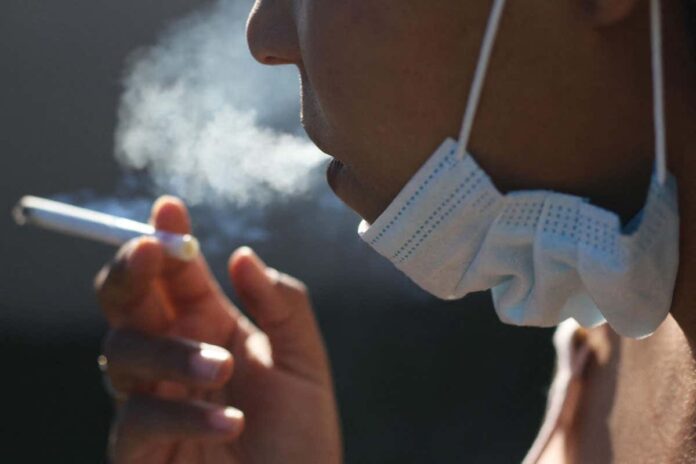
South Africa has more than 8-million adult smokers. Tobacco-related disease costs the country over R49 billion every year in healthcare spending and lost productivity. Nobody disputes that smoking is a crisis. The question is what an honest, effective response to that crisis actually looks like.
The Tobacco Products and Electronic Delivery Systems Control Bill, which completed its latest round of public consultations at the end of 2025, is South Africa’s attempt at an answer. Some of what it proposes is sensible and overdue (stronger protections against youth access, cleaner enforcement powers, and modernising legislation that has barely changed since the 1990s), but on one critical issue, the bill makes a mistake that will cost real people dearly: it treats vaping as the equivalent of smoking and refuses to recognise harm reduction as a legitimate public health tool.
This is not a minor technical dispute. It is a question of what we actually owe the millions of South Africans who smoke and are trying to stop.
The goal should be total abstinence
The Department of Health’s position is that the goal should be total abstinence from nicotine and that smokers should use traditional nicotine replacement therapies to quit. In an ideal world, that would be sufficient. But most South African adult smokers have already attempted to quit without assistance and failed. Telling people to simply stop, and removing the tools that help them do so more safely, is not a public health policy.
South Africa also has a context that makes the bill’s prohibitionist instincts particularly risky. The country already has one of the largest illicit cigarette markets in the world, which swallowed an estimated R119-billion in lost tax revenue over two decades. Excessive restrictions do not make nicotine disappear. They push consumers towards unregulated, untaxed, and potentially more dangerous products.
Countries that have taken a different approach, like the UK, New Zealand, and Sweden, have seen smoking rates fall to historic lows. They did not achieve this by treating every nicotine product as equally dangerous. They did it by being honest about risk and by making genuinely safer alternatives accessible to adults who were struggling to quit.
Switching to safer alternatives
The human dimension of this matters too, and it is too rarely discussed. The impact of switching to safer alternatives is not only felt by the smoker but also by all their loved ones. When a parent switches from cigarettes to a vaping product, the change is felt by the whole household: the secondhand smoke disappears, the worry recedes, and the mood in the home shifts. International research has shown consistently that when someone quits smoking using an innovative nicotine product, the people around them notice significant improvements in shared quality of life. These are not statistics. These are families.
World Vape Day falls on May 30, one day before World No Tobacco Day on May 31. That single day’s distance captures the divide perfectly: on one side, the millions of former smokers who found a way out through innovation and want to celebrate it; on the other, institutions that still refuse to distinguish between a cigarette and a safer alternative. The fact that so many ex-smokers celebrate the first date and not the second says everything about what actually helps people quit.
The goal of reducing smoking-related harm is the right one. The bill, as currently written, undermines it.
- South Africa's Tobacco Products and Electronic Delivery Systems Control Bill aims to tackle the smoking crisis but treats vaping as equally harmful as smoking, ignoring harm reduction benefits.
- The Department of Health advocates total nicotine abstinence using traditional quit methods, despite many smokers having failed to quit unaided.
- South Africa's large illicit cigarette market may worsen under strict regulations, pushing users to unregulated, dangerous products and costing substantial tax revenue.
- Countries like the UK, New Zealand, and Sweden have successfully reduced smoking rates by promoting safer nicotine alternatives and honest public health messaging.
- Switching to safer alternatives like vaping improves not only smokers' health but also the quality of life of their families, highlighting the human benefits ignored by the bill.


