


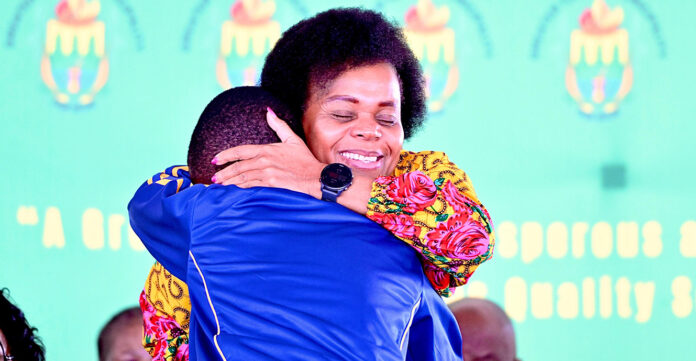
“We belong to a generation that carries the legacy of the youth of 1976 – a legacy built on courage, defiance and a refusal to accept injustice. Reflecting on their bravery is not merely an act of remembrance, but a call to action,” said Limpopo Premier Dr Phophi Ramathuba during the youth day commemoration that took place at Vasasele Primary School, N’wamitwa Village in Greater Tzaneen Local Municipality on 16 June 2026.
Those young people stood up against a system designed to silence and diminish them, choosing instead to fight for dignity, identity and freedom. Their sacrifices reshaped the country and made democracy possible, opening opportunities that earlier generations were denied.
However, while apartheid has ended, the struggle has not disappeared – it has evolved. Today’s challenges are different but equally pressing. Young people face unemployment, poverty, inequality and social exclusion, all of which continue to limit progress and create uncertainty. These conditions can discourage ambition, but like the youth of 1976, there is a need for resilience and determination.

In response, there is a growing focus on empowering young people through skills development, education and economic participation. Skills are increasingly seen as essential tools that unlock opportunity. Young people are being encouraged not only to seek employment, but to create it – to become entrepreneurs, innovators and contributors to economic growth.
Support for youth-led enterprises forms a key part of this approach. Funding initiatives and development programmes are helping transform ideas into sustainable businesses that generate income, create jobs and strengthen communities. Opportunities are expanding across sectors such as agriculture, tourism, manufacturing, construction and technology, providing multiple pathways for success.
Education remains central to this development agenda. Investments in science, technology, coding and robotics are preparing young people for a modern, rapidly changing economy. By bringing training and educational institutions closer to communities, barriers to opportunity – especially in rural areas – are being reduced.
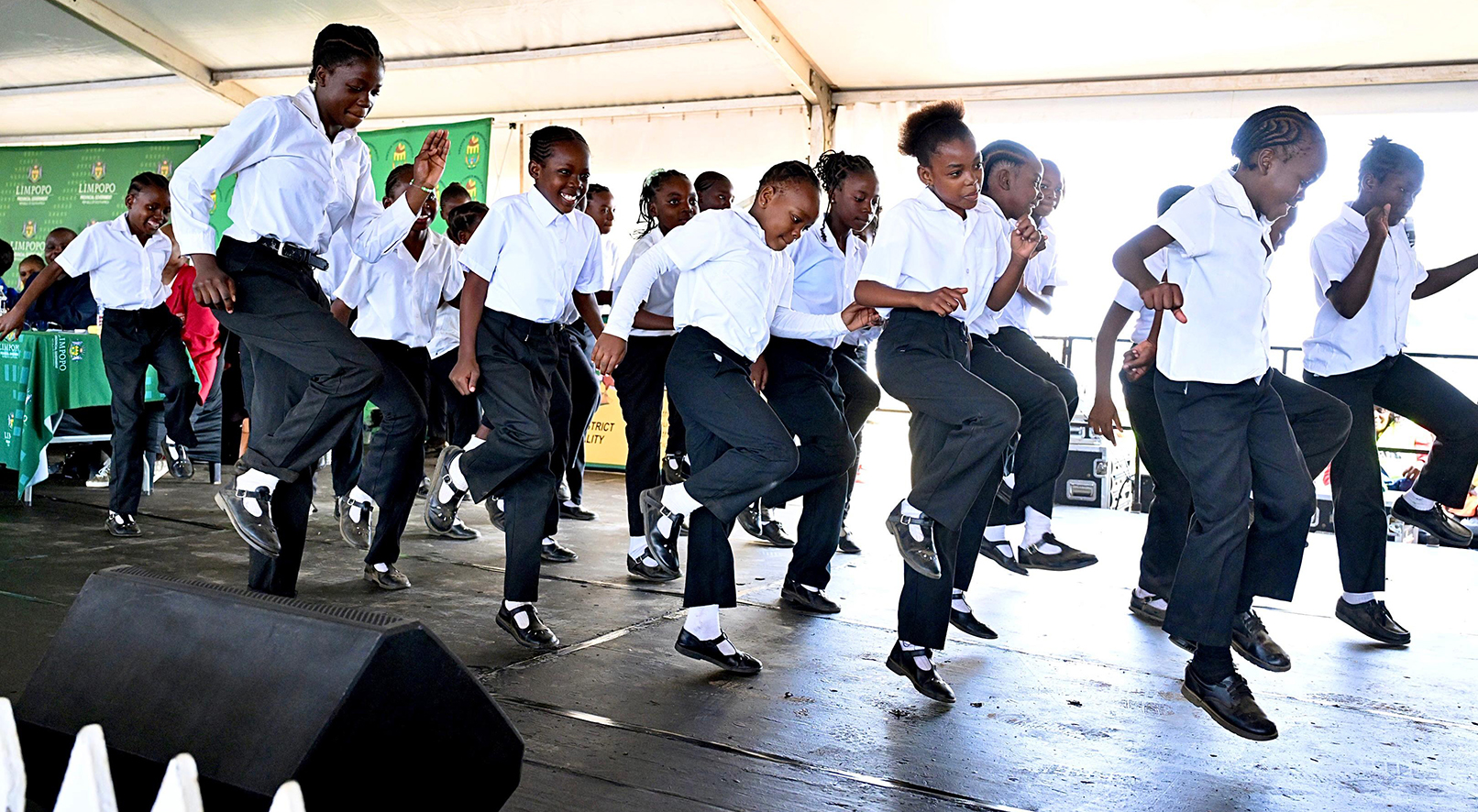
Practical work opportunities are also expanding through internships, learnerships and public works programmes, offering vital experience and income. Large-scale infrastructure projects continue to create thousands of jobs, while initiatives in public safety and transport are opening doors to long-term careers in government.
Investments in sport, arts and culture are further broadening opportunities, recognising their role in employment creation and economic participation. In Limpopo, the provincial government is driving this agenda through targeted programmes aligned with youth development.
More than R50-million has been invested in sport, arts and cultural infrastructure. These projects include a high-performance sports centre expected to create around 1 200 jobs, the operationalisation of a provincial theatre generating approximately 2 000 opportunities, and support for creative entrepreneurs, creating over 300 jobs.
In agriculture, youth-focused initiatives such as irrigation schemes, poultry projects and packhouse development have already created more than 300 jobs while strengthening food security and rural economies.
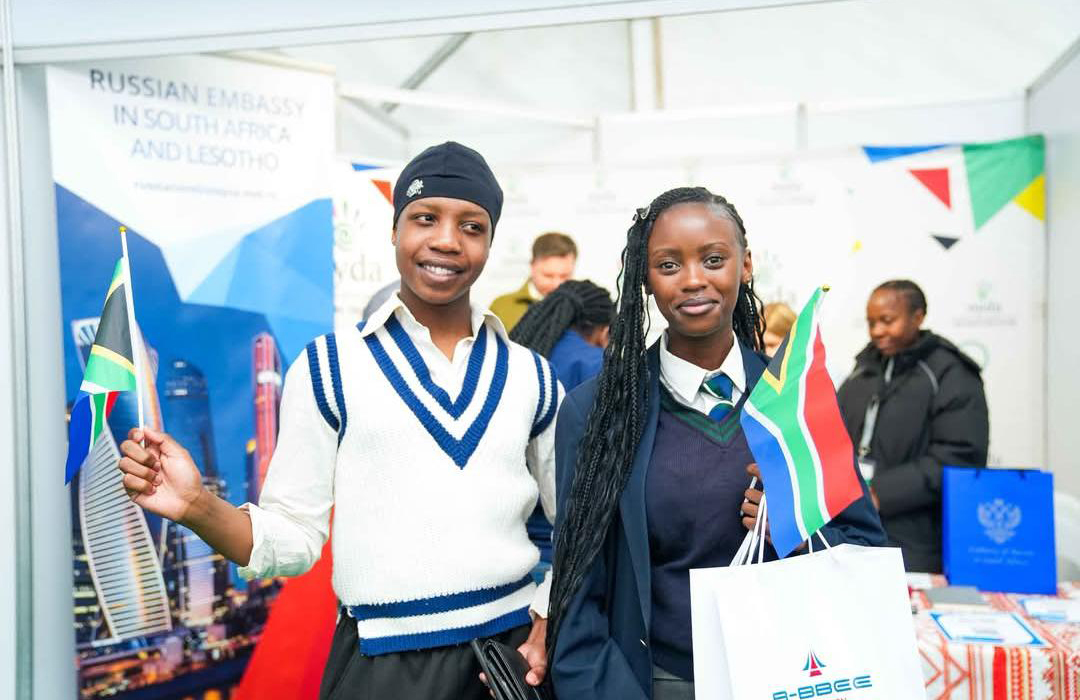
Additional opportunities are being provided through internships, learnerships and Expanded Public Works Programme initiatives, while 600 young people are set to be recruited into safety and traffic programmes, creating pathways into public service careers.
Infrastructure development continues to play a major role, with more than 64 000 work opportunities created across Limpopo. Further recruitment, apprenticeships and graduate programmes are planned, alongside partnerships with training bodies to develop
critical skills in key industries.
To prepare young people for a global economy, opportunities for international study are also being promoted, with learners gaining exposure to specialised fields such as engineering and new energy technologies.
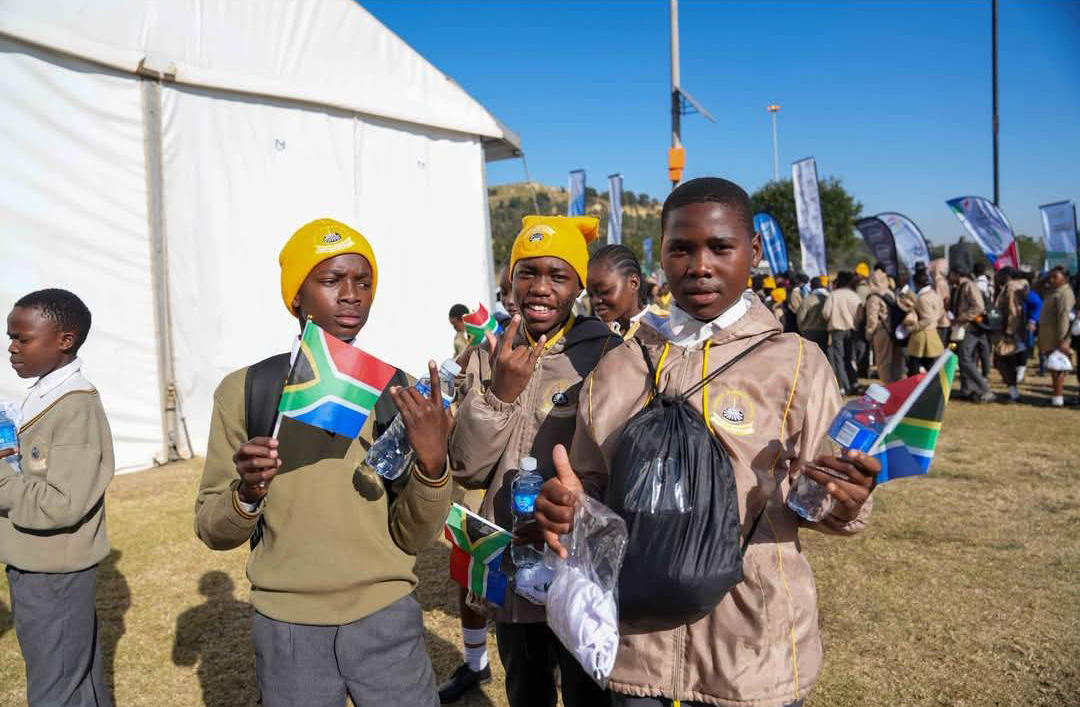
Despite these efforts, the responsibility ultimately lies with young people themselves. They are encouraged to take ownership of their futures – to build skills, seize opportunities and shape their own paths.
Participation in democracy, particularly through voting, remains a vital way to honour the legacy of 1976 and influence the country’s future.
The legacy of 1976 is not just history – it is an ongoing responsibility.
Today’s youth are called to combine courage with discipline, ambition with action and vision with accountability. The spirit of June 16 endures as a guiding force, reminding young South Africans to rise, act and build a more inclusive, prosperous and hopeful future.
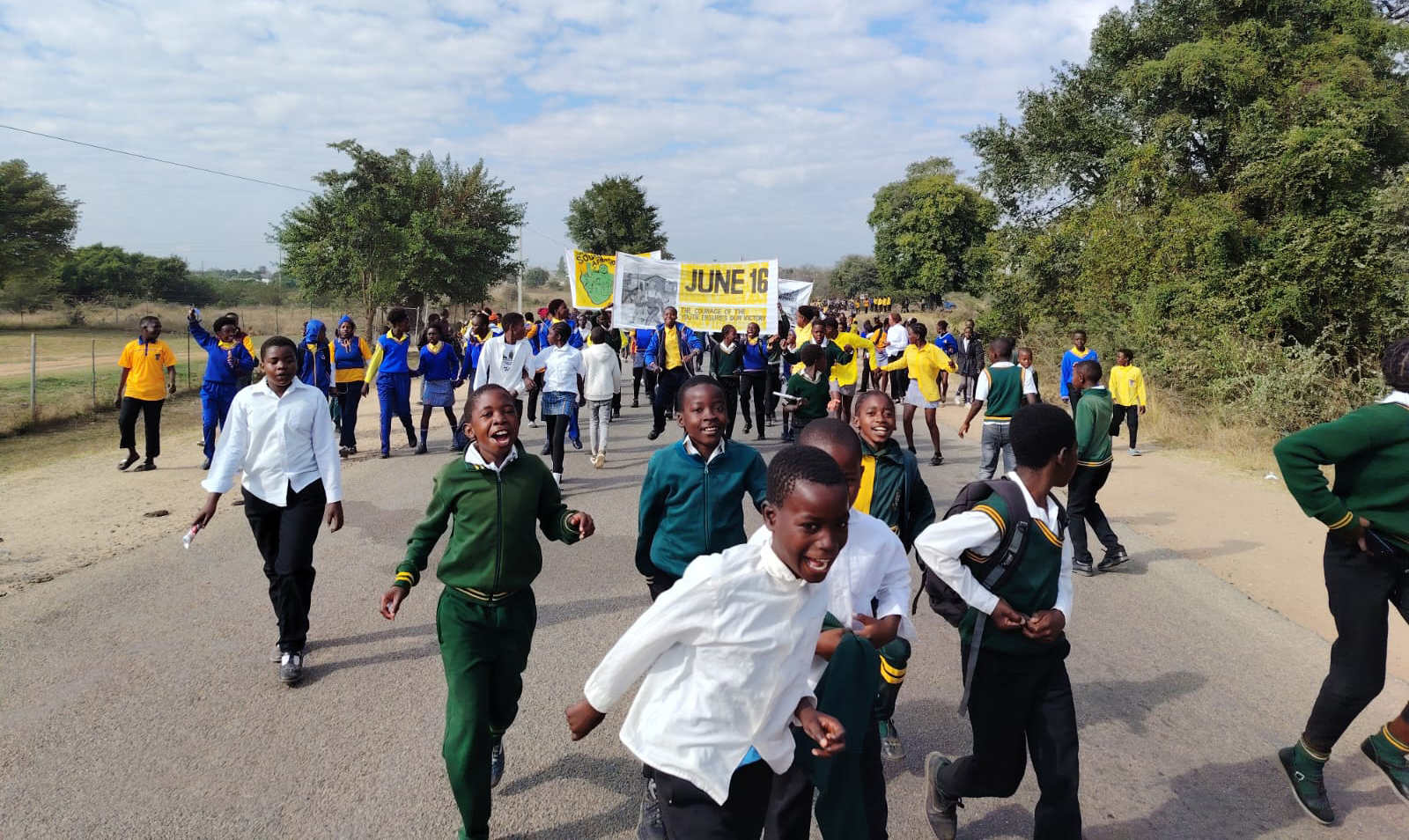
- “We belong to a generation that carries the legacy of the youth of 1976 – a legacy built on courage, defiance and a refusal to accept injustice.
- Reflecting on their bravery is not merely an act of remembrance, but a call to action,” said Limpopo Premier Dr Phophi Ramathuba during the youth day commemoration that took place at Vasasele Primary School, N’wamitwa Village in Greater Tzaneen Local Municipality on 16 June 2026.
- Those young people stood up against a system designed to silence and diminish them, choosing instead to fight for dignity, identity and freedom.
- Their sacrifices reshaped the country and made democracy possible, opening opportunities that earlier generations were denied.
- However, while apartheid has ended, the struggle has not disappeared – it has evolved.


