


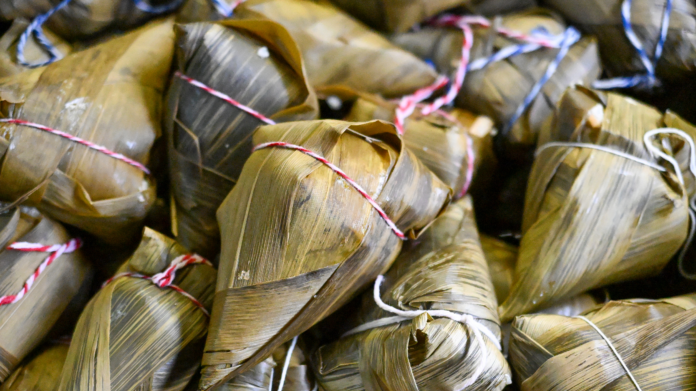
Chinese researchers have identified what may be the earliest known physical evidence of zongzi and uncovered clues about why the traditional food has been wrapped in leaves for more than two millennia.
The study, published in Science Bulletin, used ancient DNA sequencing and chemical analysis to examine leaf-wrapped offerings unearthed from two Warring States-period Chu tombs. The researchers identified oak leaves as the wrapping material and found both grain-only and meat-containing versions of early zongzi. Their findings also suggest that the leaves’ natural antibacterial properties may have helped preserve food in ancient times.
One set of “plant packages”, excavated from the Chengyangcheng site in Henan Province, contained uncooked rice and millet, suggesting they were prepared as ritual offerings rather than food. Researchers said the remains are the earliest known evidence of a zongzi-like food discovered.
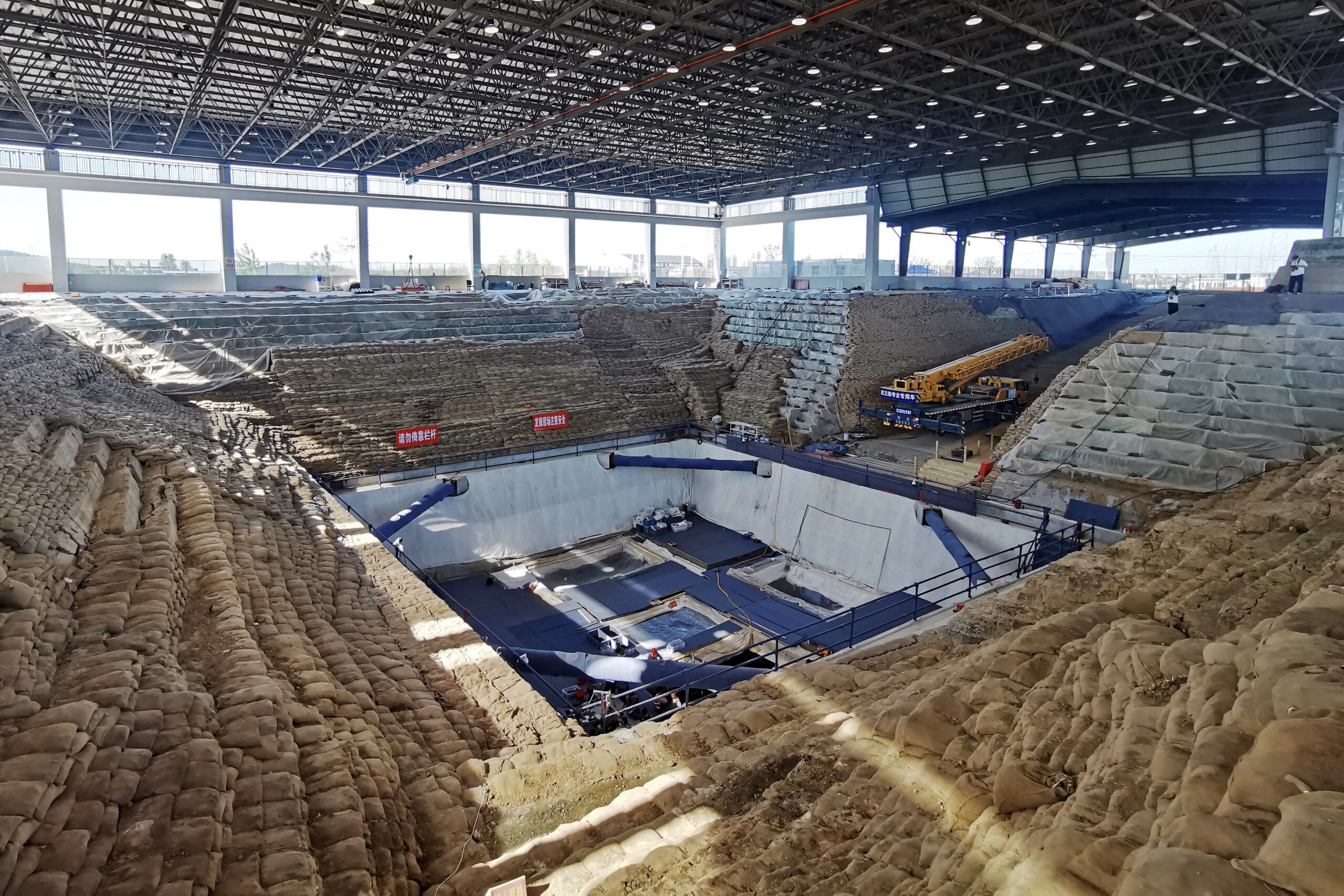
A second group recovered from the Wuwangdun No. 1 Tomb in Anhui Province yielded evidence of grains and animal-derived compounds. The combination resembles oak leaf-wrapped zongzi made in parts of Henan today, making the remains the earliest known example of a modern-style zongzi.
Ancient DNA sequencing identified the wrapping material in both tombs as oak leaves. To understand why they may have been chosen, the team compared oak leaves with other traditional plants used to wrap zongzi.
Laboratory tests showed that oak leaves contained significantly higher levels of polyphenols and exhibited stronger antibacterial activity than reed and bamboo leaves. The researchers suggest that people may have gradually learnt through experience that oak leaves helped slow food spoilage in the warm, humid climate of the Chu region.
The findings indicate that the practice of wrapping grains in leaves for ritual use had emerged in Chu society during Qu Yuan’s lifetime and probably predated the later association between zongzi and the commemoration of the poet. The study offers new archaeological evidence for the origins of one of China’s best-known traditional foods.
- Chinese researchers have identified what may be the earliest known physical evidence of zongzi and uncovered clues about why the traditional food has been wrapped in leaves for more than two millennia.
- The study, published in Science Bulletin, used ancient DNA sequencing and chemical analysis to examine leaf-wrapped offerings unearthed from two Warring States-period Chu tombs.
- The researchers identified oak leaves as the wrapping material and found both grain-only and meat-containing versions of early zongzi.
- Their findings also suggest that the leaves’ natural antibacterial properties may have helped preserve food in ancient times.
- One set of “plant packages”, excavated from the Chengyangcheng site in Henan Province, contained uncooked rice and millet, suggesting they were prepared as ritual offerings rather than food.


