


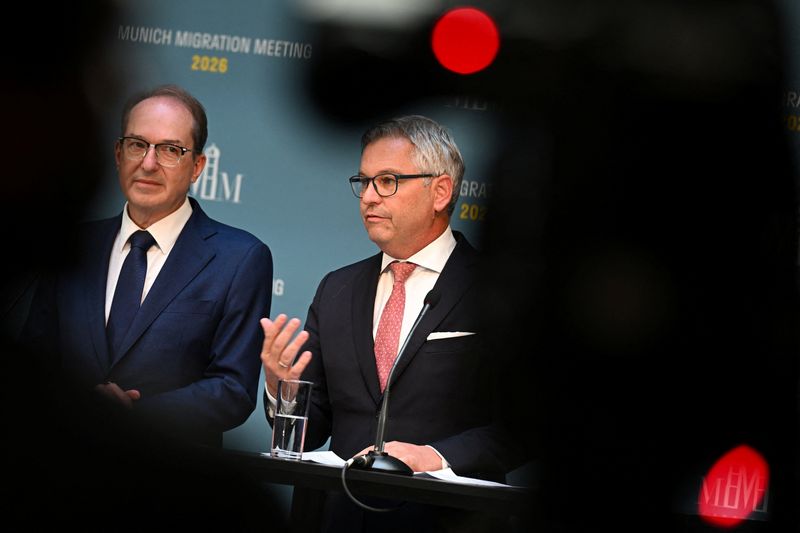
Berlin: German Interior Minister Alexander Dobrindt has called for an expedited procedure to deport individuals after mass border crossings, such as the influx into Spain’s North African enclave of Ceuta in July.
“We need a new European mechanism for handling migration crises,” Dobrindt said at the start of a meeting in Munich with European Union counterparts and EU Migration Commissioner Magnus Brunner said on Saturday.
Dobrindt said exceptional situations similar to the one in Ceuta had occurred repeatedly at the EU’s external borders.
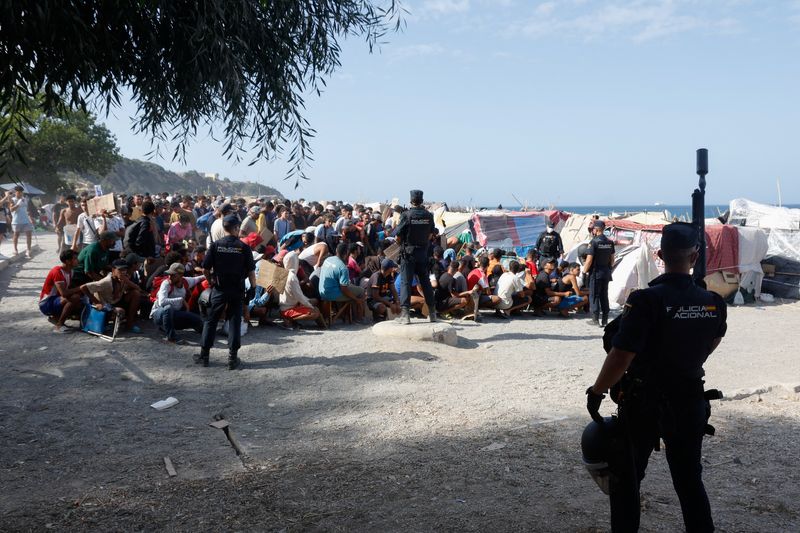
More than 72 000 people surged into Ceuta from Morocco at the end of July, although most have since left. Spain estimates 12 000 migrants remain in the tiny territory, including minors.
“These waves are not caused by a humanitarian emergency but are driven by misinformation,” Dobrindt said.
He called for a fast-track procedure for repatriation when authorities determine that there was an exceptional situation that was not linked to a humanitarian emergency.
Dobrindt said the European border protection agency Frontex should also assist countries in such situations by deploying a rapid-response force within 24 hours.
- German Interior Minister Alexander Dobrindt called for an expedited procedure to deport individuals after mass border crossings like the influx into Ceuta in July.
- Dobrindt proposed a new European mechanism for handling migration crises during a meeting in Munich with EU counterparts and Migration Commissioner Magnus Brunner.
- More than 72,000 people crossed into Ceuta from Morocco at the end of July, with Spain estimating 12,000 migrants remain, including minors.
- Dobrindt stated these migrant waves are driven by misinformation rather than humanitarian emergencies.
- He suggested that Frontex should deploy a rapid-response force within 24 hours to assist countries during exceptional migration situations.
Berlin: German Interior Minister Alexander Dobrindt has called for an expedited procedure to deport individuals after mass border crossings, such as the influx into Spain's North African enclave of Ceuta in July.
“We need a new European mechanism for handling migration crises,” Dobrindt said at the start of a meeting in Munich with European Union counterparts and EU Migration Commissioner Magnus Brunner said on Saturday.
Dobrindt said exceptional situations similar to the one in Ceuta had occurred repeatedly at the EU’s external borders.
More than 72 000 people surged into Ceuta from Morocco at the end of July, although most have since left. Spain estimates 12 000 migrants remain in the tiny territory, including minors.
“These waves are not caused by a humanitarian emergency but are driven by misinformation,” Dobrindt said.
He called for a fast-track procedure for repatriation when authorities determine that there was an exceptional situation that was not linked to a humanitarian emergency.
Dobrindt said the European border protection agency Frontex should also assist countries in such situations by deploying a rapid-response force within 24 hours.


