


A group of Japanese scholars and civic activists has called on the government to confront its history of aggression and return Chinese cultural relics that were taken to Japan during wartime.
The appeal was made at a symposium in Tokyo over the weekend by the Association for Promoting the Return of Chinese Cultural Relics, a civic organisation advocating for the repatriation of Chinese artifacts and historical reconciliation between China and Japan.
Members of the organisation noted that a large number of cultural relics brought to Japan during wartime remain in the country. While the Japanese government has long maintained that the origins of many of the artefacts are unclear, they argued that numerous items display distinct Chinese artistic characteristics and that questions remain over whether they entered Japan through legitimate channels, given the context of Japan’s wars and overseas aggression.
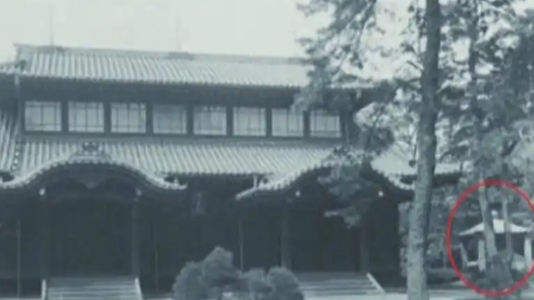
The organisation said it was urging the Japanese government to return several artefacts taken from China during wartime, including the Tang Dynasty Honglujing Stele.
Tsuguo Toukairin, the vice-chairperson of the Tokyo Association of History Educators, told Xinhua that a number of European countries had, in recent years, advanced the return of cultural artefacts as part of efforts to reflect on their histories of colonialism and aggression, while similar awareness had yet to take root in Japan.
“Japan should face history squarely, acknowledge the mistakes it made in the past, and promote the return of cultural relics based on reflection on those mistakes,” he said.
Akira Igarashi, a co-representative of the organisation, said the issue was not simply whether a particular artefact should be returned but whether Japan was willing to reexamine its modern history.
“In a sense, these relics are unsettling reminders of the past,” Igarashi told Xinhua. “Continuing to possess them brings no benefit to Japan. The key question is how deeply Japanese society recognises this.”
The Honglujing Stele, erected in AD 714 during the Tang Dynasty, is regarded as important historical evidence that the Tang central government exercised authority over the north-eastern region of China through the formal appointment of leaders of the Mohe ethnic group.
Before the end of April 1908, the Japanese garrison administration in Lyushun dismantled and transported the stele, along with a pavilion built in 1896 to protect it, and shipped them to Japan.
For decades, concerned citizens and scholars in China and Japan have called for the stele’s return but the Japanese government has yet to respond positively to the efforts.
- A group of Japanese scholars and civic activists has called on the government to confront its history of aggression and return Chinese cultural relics that were taken to Japan during wartime.
- The appeal was made at a symposium in Tokyo over the weekend by the Association for Promoting the Return of Chinese Cultural Relics, a civic organisation advocating for the repatriation of Chinese artifacts and historical reconciliation between China and Japan.
- Members of the organisation noted that a large number of cultural relics brought to Japan during wartime remain in the country.
- While the Japanese government has long maintained that the origins of many of the artefacts are unclear, they argued that numerous items display distinct Chinese artistic characteristics and that questions remain over whether they entered Japan through legitimate channels, given the context of Japan’s wars and overseas aggression.
- The organisation said it was urging the Japanese government to return several artefacts taken from China during wartime, including the Tang Dynasty Honglujing Stele.


