


Oil prices fell by more than $2 (R32.71) per barrel on Thursday after the US and Iran signed an interim agreement that would end the Iran war, reopen the Strait of Hormuz, and waive US sanctions on Tehran’s oil, boosting the oil supply outlook.
Brent crude futures were down $2.14, or 2.69%, at $77.41 a barrel as of 8am, and US West Texas Intermediate fell $2.36, or 3.07%, to $74.43 a barrel.
Brent sank to its lowest since March 2, which was the first day of trading after the U.S. and Israel began attacking Iran, while WTI was at its lowest since March 4.
‘Faster-than-expected return of Iranian barrels’
The benchmarks resumed their decline, reversing a jolt higher on Wednesday that followed comments from U.S. President Donald Trump saying he could resume his bombing campaign if Iran’s leaders “don’t behave”.
“The sell-off extended as energy markets continued to aggressively price in a faster-than-expected return of Iranian barrels following the recent US-Iran memorandum of understanding,” IG market analyst Tony Sycamore said in a note.
60-day negotiation period
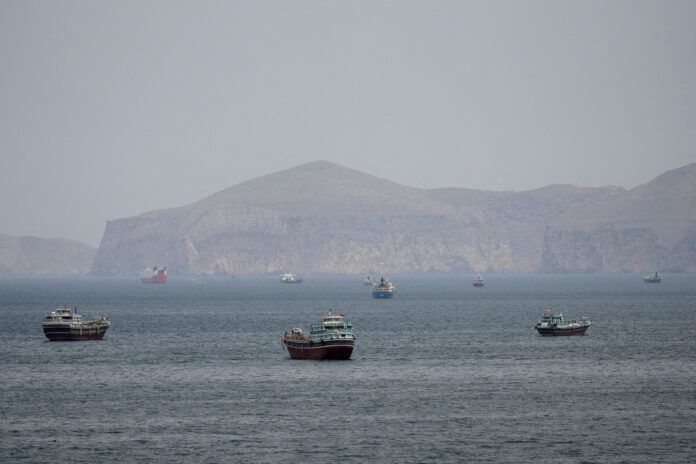
The 14-point memorandum begins a 60-day negotiation period during which Iran will allow toll-free passage through the Strait of Hormuz, a key oil and gas shipping lane. The deal calls for traffic through the strait to be restored to its full capacity within 30 days.
The preliminary accord defers many of the more difficult issues such as Iran’s nuclear program. It also requires the US and its partners to come up with a $300 billion plan to finance Iran’s recovery.
Analysts are cautious on how much further oil prices might decline in the near term, as supply could remain tight even after the Strait of Hormuz reopens.
“The volume of crude returning to the market after Hormuz reopens could be limited as some cargoes already exited through workaround arrangements, while shipowners may remain reluctant to send tankers back into the region amid concerns the agreement could collapse,” said Mukesh Sahdev, CEO of energy consultancy XAnalysts.
“Overall crude demand may come faster than supply, checking price falls to pre-war levels,” he said.
Possible supply glut
If the US-Iran agreement is successfully implemented and the strait reopened, this year’s supply crisis could turn into a significant supply glut in 2027, the IEA cautioned on Wednesday. It forecast in its monthly market report that supply will outstrip demand by 5.05 million barrels per day next year as Middle East oil returns to the market.
Also weighing on the oil market are ramped-up bets the US Federal Reserve may raise interest rates later this year to rein in inflation. This could slow economic growth and suppress oil demand.
Nine of 19 Fed policymakers now think a rate hike will be needed, Wednesday projections showed, a departure from three months ago when none of them held that view.
- Oil prices dropped over $2 per barrel after the US and Iran signed an interim agreement to end the Iran war, reopen the Strait of Hormuz, and lift US sanctions on Iranian oil.
- Brent crude fell 2.69% to $77.41, and West Texas Intermediate declined 3.07% to $74.43, hitting their lowest since early March amid easing geopolitical tensions.
- The 14-point memorandum initiates a 60-day negotiation period for toll-free passage through the Strait of Hormuz, aiming to fully restore traffic within 30 days, while deferring tougher issues like Iran's nuclear program.
- Analysts warn that despite reopening, oil supply increases might be limited due to alternative shipping routes already used and caution among shipowners; demand recovery may keep prices above pre-war levels.
- The IEA warns that if the agreement holds, the 2027 oil market may face a supply glut exceeding demand by 5.05 million barrels per day, with additional pressure from potential US Federal Reserve interest rate hikes slowing economic activity and oil demand.


