


The Southern African Development Community (SADC) has intensified pressure on Madagascar’s transitional authorities, demanding the immediate release of political prisoners, an end to the arrest of opposition leaders and activists and a clear roadmap towards restoring constitutional democracy.
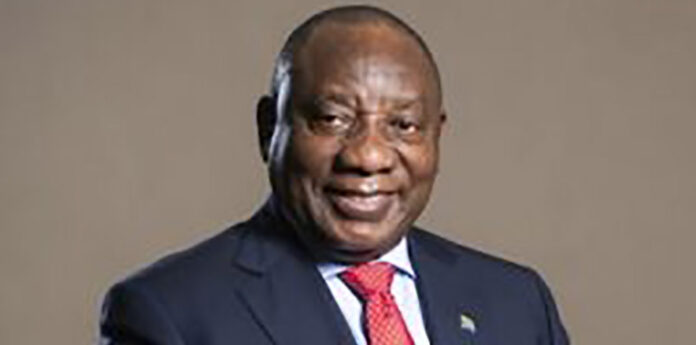
The resolutions were adopted during an Extraordinary Virtual Summit of SADC Heads of State and Government chaired by President Cyril Ramaphosa on Monday, where regional leaders expressed growing concern over Madagascar’s prolonged political crisis.
The SADC urged the transitional government, led by Colonel Michael Randrianirina, to fast-track political reforms that are inclusive, transparent and guided by clearly defined timelines, warning against an open-ended transition.
The regional bloc stressed that reforms must culminate in the restoration of constitutional order through free and credible democratic elections that reflect the will of the Malagasy people.
The SADC called on the government, political parties, civil society, religious leaders, women, youth and other stakeholders to engage in genuine national dialogue aimed at fostering reconciliation and lasting political stability.
Among the summit’s most significant resolutions was a call for the immediate release of political detainees, an end to arbitrary arrests of opposition figures and Generation Z activists and the facilitation of the safe return of political exiles.
Regional leaders said the measures were essential to rebuilding trust and creating an environment conducive to meaningful dialogue and democratic reform.
To strengthen its oversight of the transition, the SADC expanded the mandate of its Panel of Elders, led by former Malawian President Dr Joyce Banda, to include mediation, reconciliation and continued facilitation of the reform process.
The summit also approved the establishment of an SADC Liaison Office in Antananarivo to coordinate the bloc’s engagement with national authorities and monitor progress on the ground.
The summit commended Banda and her mediation team for conducting extensive consultations with political leaders and key stakeholders, saying their work had provided an objective assessment of Madagascar’s political and security landscape.
Addressing the summit, Ramaphosa said the SADC remained committed to ensuring Madagascar’s transition led to democratic governance in a reasonable timeframe.
“Our region cannot afford cycles of transition without resolution. Stability is not sustained by indefinite processes but by credible institutions and legitimate, elected governance,” he said.
The regional body also resolved that regular progress reports should be submitted through the SADC Secretariat, with any deterioration in the political or security situation to be escalated immediately to the Organ Troika for consideration.
Beyond Madagascar, the SADC expressed concern over the Ebola outbreak in the eastern Democratic Republic of Congo, warning that the deteriorating security situation posed a threat to regional peace, security and integration. Leaders reaffirmed their solidarity with the Congolese people and called for coordinated regional efforts to contain the outbreak and address the humanitarian challenges.
The summit concluded with a renewed commitment to advancing peace, constitutional governance, democracy and sustainable development across Southern Africa, while reaffirming the SADC’s readiness to support the Malagasy people on their path towards lasting stability.
- SADC demands Madagascar's transitional government release political prisoners, stop arrests of opposition and activists, and provide a clear roadmap to restore constitutional democracy.
- The summit called for inclusive, transparent political reforms with defined timelines culminating in free, credible elections reflecting the will of the Malagasy people.
- SADC expanded the mandate of its Panel of Elders for mediation and established a Liaison Office in Antananarivo to oversee the transition and coordinate engagement.
- Regional leaders urged national dialogue among government, political parties, civil society, and stakeholders to foster reconciliation and durable political stability.
- The summit also addressed regional concerns like the Ebola outbreak in the DRC, emphasizing coordinated efforts for peace, democracy, and sustainable development in Southern Africa.


