


The Trump administration is blocking American citizens in the Democratic Republic of Congo from travelling to the U.S. on commercial flights, according to a White House official, who said the steps were being taken as of Monday.
‘Do-not-board’ policy
The order, which is being taken under a transportation authority known as Title 49, will place U.S. citizens in Congo or those who have recently left on a “do-not-board” list until they have spent at least 21 days in a third country, the person said. The travel restrictions were not previously reported.
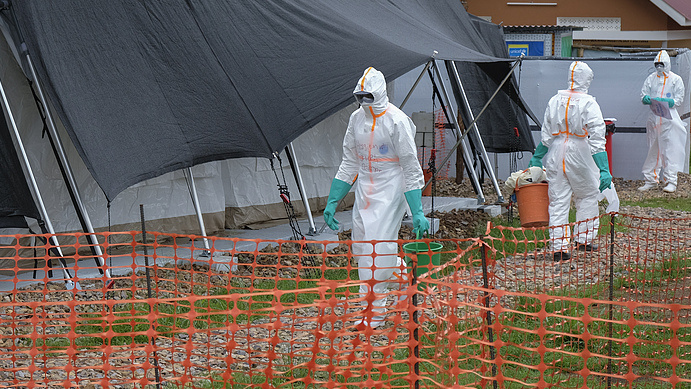
The new restrictions come amid a widening Ebola outbreak, which has spread to multiple provinces within Congo. The number of confirmed Ebola cases across the country had risen to 1,926, including 702 deaths, official data showed late on Sunday.
The often fatal viral disease spreads through direct contact with bodily fluids from infected people or animals and causes symptoms that can include high fever, vomiting and internal and external bleeding.
Some two dozen Americans were set to board flights to the U.S. on Tuesday after having travelled to Congo, according to the U.S. official, who said the State Department would support them and others affected during the waiting period. The official declined to be identified.
Risky policy
Dr. Daniel Jernigan, a former senior CDC official who led the agency’s response during the 2014-2015 Ebola outbreak in West Africa, said using the “do-not-board” policy to prevent U.S. citizens from returning home when they have little risk of Ebola infection is unprecedented.
“This change in policy risks shifting medical and public-health responsibility to third countries, it may encourage travelers to conceal itineraries or exposures, and it will make recruitment of American outbreak responders more difficult.”
On Monday, the Department of Health and Human Services stated that there were increased Ebola risks, including the spread of the virus to just hours outside Congo’s capital, Kinshasa.
The U.S. Centers for Disease Control and Prevention said on Friday that a U.S. citizen working for a humanitarian organization in Congo had tested positive for the Bundibugyo Ebola virus; one American infected in Congo was admitted to Frankfurt University Hospital in Germany early on Monday, officials said.
Another American, identified by the Serge Christian mission organization as Dr. Peter Stafford, had contracted Ebola and had been brought to Germany for treatment, the CDC said in May.
Quarantine centre in Kenya for American citizens
The U.S. has pledged hundreds of millions of dollars to the Ebola response so far, and is building a controversial quarantine centre in Kenya for American citizens, saying the priority is keeping Ebola from reaching the U.S.
Washington has previously come under criticism for its exit from the World Health Organization and cuts to the U.S. Agency for International Development and African public health efforts, prior to the outbreak.
A State Department spokesperson said they were “coordinating with our humanitarian partners on this new guidance” and that they had received no calls from Americans seeking assistance leaving Congo in the past week.
“We stand ready to assist American citizens who have recently been in the DRC,” said the spokesperson, who declined to be identified.
- The Trump administration is implementing a "do-not-board" policy blocking U.S. citizens from Congo from traveling to the U.S. on commercial flights until they spend 21 days in a third country, due to a worsening Ebola outbreak.
- Congo's Ebola outbreak has spread widely with 1,926 confirmed cases and 702 deaths, prompting increased U.S. travel restrictions and public health concerns.
- Experts warn the policy is unprecedented and may hinder outbreak response efforts by pushing responsibility onto third countries and discouraging transparency by travelers.
- The U.S. is supporting affected citizens during the waiting period and constructing a quarantine center in Kenya to prevent Ebola's spread to America.
- Despite Ebola-related health risks, the U.S. faces criticism for earlier reductions in global health funding and exiting the WHO before the crisis escalated.


