


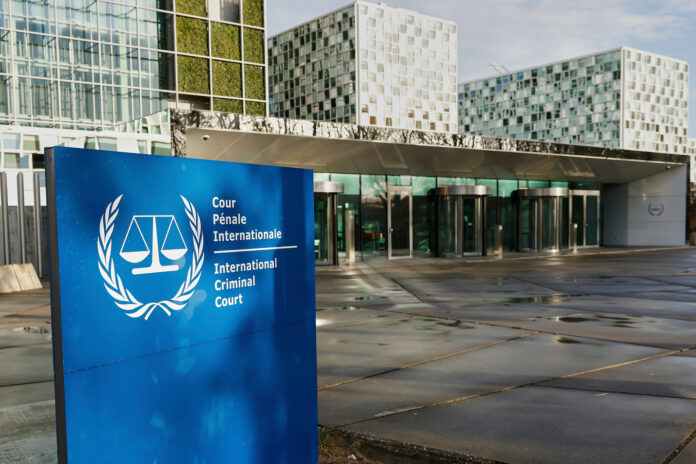
The Trump administration on Tuesday imposed sanctions on two senior officials of the International Criminal Court (ICC), including its president, as Washington stepped up its campaign against the Hague-based tribunal.
The sanctions target ICC President Tomoko Akane of Japan, and ICC Senior Trial Lawyer, Abdoulaye Seye of Senegal, U.S. Secretary of State Marco Rubio said in a statement, accusing them of having “directly engaged in efforts by the ICC to investigate, arrest, detain, or prosecute officials whose government has not consented to ICC jurisdiction.”
“The ICC has repeatedly attempted to assert authority over nationals of the United States and other countries that have not consented to its jurisdiction or ratified the Rome Statute,” Rubio said. “This sets a dangerous precedent for all nations.”
The sanctions generally prohibit U.S. persons from conducting transactions with Akane and Seye and effectively bar the two officials from accessing the U.S. financial system.
READ: ICC oversight body urges Chad and Venezuela to reverse withdrawal
The United States is not a party to the Rome Statute, the treaty that established the ICC, and rejects the tribunal’s efforts to exercise jurisdiction over nationals of non-member states, including U.S. personnel and Israeli officials.
Tensions surged after the ICC issued arrest warrants in 2024 for Israeli Prime Minister Benjamin Netanyahu and then-Defense Minister Yoav Gallant over war crimes and crimes against humanity related to the Gaza conflict. The ICC maintains it holds jurisdiction over alleged crimes committed within member territories, regardless of the suspect’s citizenship.
ICC responds
The ICC says the sanctions are a “flagrant attack against the independence of an impartial judicial institution.”
In a statement released on Wednesday, the ICC said: “As a result of these designations, at present, nine of the 18 Judges, both of the two Deputy-Prosecutors, the former Prosecutor and one staff member have been sanctioned by the United States.
The institution said measures targeting ICC judges, prosecutors and staff undermine the rule of law and the mandate of the ICC, adding that it impacts the ability of victims who turn to the court to seek justice when every other avenue has failed.
“The Court will continue to fully discharge its mandate with independence and impartiality, in full accordance with the Rome Statute and in the interest of victims of international crimes,” it added.
- The Trump administration imposed sanctions on ICC President Tomoko Akane and Senior Trial Lawyer Abdoulaye Seye for engaging in ICC investigations against officials from non-consenting countries.
- U.S. Secretary of State Marco Rubio stated the ICC's attempts to assert authority over nationals of non-member countries, including the U.S., set a dangerous precedent.
- The sanctions bar U.S. persons from transacting with Akane and Seye and prevent the two officials from accessing the U.S. financial system.
- The United States is not a party to the Rome Statute and rejects ICC jurisdiction over non-member nationals, including U.S. and Israeli personnel.
- The ICC condemned the sanctions as an attack on judicial independence, noting that nine of its judges, prosecutors, and staff have been sanctioned by the U.S. and vowed to continue its mandate impartially.


