


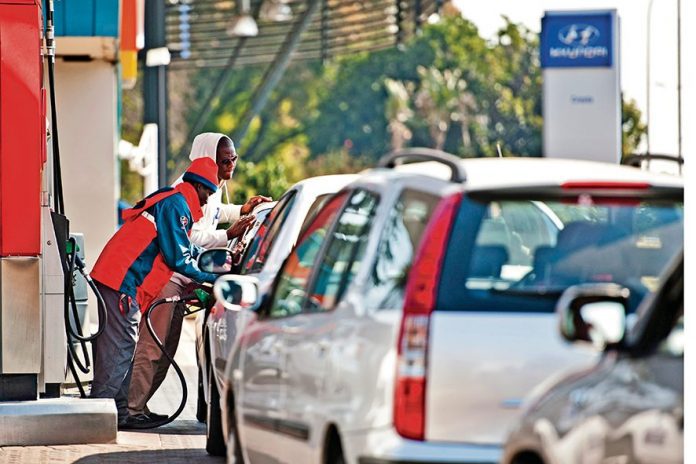
Motorists are facing another potential fuel price hike, putting further pressure on households already dealing with rising living costs.
According to the latest month-end data from the Central Energy Fund (CEF), motorists face yet another wave of high fuel costs on October 7.
Shifting driving habits to save fuel
Marius Kemp, head of personal underwriting at Santam, said motorists could reduce the impact by changing how they use their vehicles rather than simply cutting back on other essentials.
Kemp said one of the simplest ways to use fuel is to change driving habits such as avoiding harsh acceleration and braking but to drive at lower speeds where possible and ensure that tyres are correctly inflated.
READ: Alternative fuels: Are EVs the undisputed king?
He noted that the International Energy Agency has previously identified reducing speed by at least 10 kilometres per hour as one way motorists can cut fuel consumption.
For households looking to reduce monthly fuel bills, cutting unnecessary journeys can also make a difference.
The risks and rewards of carpooling
“For motorists who are unable to work from home or reduce their travel, carpooling can help you offset some running costs by allowing you to share rides with people travelling in the same direction as you. While it offers several benefits, it could also impact your car insurance cover.
“Before entering a carpool arrangement using your car, take the time to check the terms and conditions of your policy. Otherwise, you run the risk of a cover shortfall or your claim being denied altogether,” said Kemp.
He said motorists should also check whether their insurance policy offers benefits linked to how much they drive.
Sharing journeys with colleagues, friends or neighbours travelling in the same direction can spread some of the costs of fuel and parking between several people.
How policy changes affect coverage
However, Kemp warned that motorists should check their insurance cover before allowing other people to regularly use their vehicles.
Changes to who drives a vehicle, or how the vehicle is used, can affect insurance cover and the amount paid when a claim is made.
“It’s always important to let your insurer know if anything changes in your regular driving set-up, as this can affect insurance claim excesses and payouts,” Kemp said.
For example, if someone other than the driver listed on the policy becomes the main driver of the vehicle, additional excesses or premiums could apply when a claim is made.
Motorists should also be careful when money changes hands as part of a carpool arrangement.
READ: Motorists cut fuel spending by 35% as prices surge amid war in Middle East
Reviewing rather than cancelling insurance
At the same time, motorists facing higher fuel costs do not necessarily have to cancel their car insurance.
Kemp recommended reviewing the policy to see whether the level of cover still matches the vehicle’s current use.
Bundling home and car insurance may also reduce premiums, while value-added services such as emergency breakdown assistance or locksmith services could help motorists avoid unexpected costs.
“Rather than automatically reducing your cover, take the opportunity to review whether your insurance policy still matches your current driving habits and needs – and make tweaks to reduce it,” Kemp said.
With another fuel price increase looming, small changes to driving habits, fewer unnecessary trips and a review of motoring costs could help households limit the impact on their monthly budgets.
- Motorists in South Africa face a potential fuel price hike on October 7, according to Central Energy Fund data.
- Marius Kemp from Santam advises changing driving habits, such as avoiding harsh acceleration and driving at lower speeds, to save on fuel.
- Carpooling can help offset fuel costs but may affect car insurance coverage, so motorists should check policy terms before participating.
- Changes in the regular use of a vehicle or changes in who drives it can impact insurance cover and claim payouts.
- Kemp recommends reviewing rather than cancelling car insurance policies to match current vehicle use and potentially reduce premiums.


