


South Africa is putting a R3.5-billion pipeline of tourism infrastructure projects in front of investors as the government seeks to turn rising visitor numbers into new accommodation, attractions and tourism business.
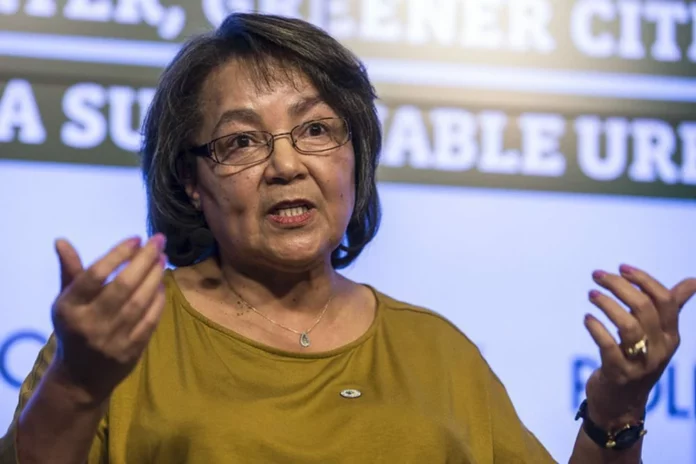
Speaking at the South African Tourism Investment Summit at Four Seasons Hotel on Thursday, Tourism Minister Patricia De Lille said the pipeline had grown from eight bankable projects worth R1-billion to 15 projects valued at R3.5-billion.
The projects span accommodation, tourist attractions, heritage sites, and entertainment facilities, among other infrastructure. The summit is meant to bring government, project owners, investors and financiers together to accelerate projects from investment opportunities to implementation.
READ: International travellers give South African tourism a glowing review
Fifteen projects considered investment-ready
Some of the projects that have been considered ready for investment include Water World Fun Park in Eastern Cape, Hole in the Wall also in Eastern Cape, and the Tokai Manor House in Cape Town.
De Lille highlighted the recently opened Club Med Beach & Safari Resort in KwaZulu-Natal, which represents an investment of more than R2-billion, while construction of the R1.5-billion Oceans Umhlanga North Tower is underway.
In the Western Cape, the V&A Waterfront is investing R24-billion in the expansion of Granger Bay, while the R8-billion Cape Winelands Airport is also being developed.
“But our objective must be to create a much deeper pipeline of such investments across the country,” De Lille said.
She said the expansion of the pipeline comes as tourism demand continues to strengthen, with the country recording 10.5-million international arrivals in 2025, while international arrivals between January and August this year exceeded 7.5-million.
The increase in demand is creating pressure for greater investment in tourism capacity, particularly as the government attempts to diversify the country’s tourism offering beyond established destinations.
“Because of this increase in demand, we must fast track the diversification of our tourism products,” De Lille said.
Opportunity to tap new markets
De Lille identified the Wild Coast, Karoo, Drakensberg and rural and township areas as areas with scope for new accommodation, attractions and tourism experiences.
She said opportunities included wellness, adventure tourism and agritourism, which could help turn underdeveloped assets into commercially viable visitor experiences.
“From the Wild Coast and the Karoo to the Drakensberg and South Africa’s towns, villages and rural landscapes, underdeveloped destinations offer significant scope for new accommodation, attractions and experiences.
READ” SA Tourism says lack of direct flights an obstacle in attracting Indian tourists
“Established attractions can anchor new regional offerings, while wellness, adventure and agritourism can help convert underdeveloped assets into bookable experiences. This creates space for investors to enter emerging destinations and shape their next phase of growth. For early investors, untapped potential can become a first-mover advantage,” said De Lille.
She said the next phase of investment would increasingly need to focus on infrastructure that is energy efficient, climate resilient and digitally connected.
Government is also positioning tourism investment as a way to spread economic activity beyond the country’s traditional tourism hubs, with digital booking and payment platforms expected to help rural and township enterprises access wider markets.
- South Africa is presenting a R3.5-billion pipeline of 15 tourism infrastructure projects to investors, up from eight projects worth R1-billion.
- Projects include accommodation, tourist attractions, heritage sites, and entertainment facilities, with examples like Water World Fun Park and the Tokai Manor House.
- Tourism demand is rising, with 10.5-million international arrivals recorded in 2025 and over 7.5-million arrivals between January and August this year.
- The government aims to diversify tourism offerings by focusing on underdeveloped areas like the Wild Coast, Karoo, Drakensberg, rural, and township areas.
- Future investments will prioritize energy-efficient, climate-resilient, and digitally connected infrastructure to help spread economic activity beyond traditional tourism hubs.


