


Luxury hospitality group The Capital Hotels, Apartments and Resorts are betting big on Gqeberha despite the metro’s ongoing struggles with water shortages and electricity instability.
Speaking at the launch of The Capital Boardwalk, CEO Marc Wachsberger said the group deliberately targeted the city because market data showed strong untapped demand for modern accommodation.
“People asked me, ‘Why Gqeberha?’ because the municipality has water and electricity issues,” said Wachsberger.
“But when we looked at the data, we realised that is exactly why we should come.”
Integrated product offering
The new hotel development, located at the Boardwalk precinct, combines apartment-style accommodation, conferencing facilities and entertainment offerings in what the company calls a “modern lifestyle hospitality” concept.
Wachsberger said despite the city’s infrastructure challenges, the market was already proving resilient.
“We follow the data,” he said. “The market was only running at about 58% occupancy, but there are over 1,000 hotel rooms in this city. That means roughly 580 rooms are booked every night.”
He said no major hotel had been built in Gqeberha since the 2010 FIFA World Cup.
“So we said, ‘Let’s build a brand-new modern hotel and see if we can capture just 150 of those bookings per night. We’ve been very pleasantly surprised.”
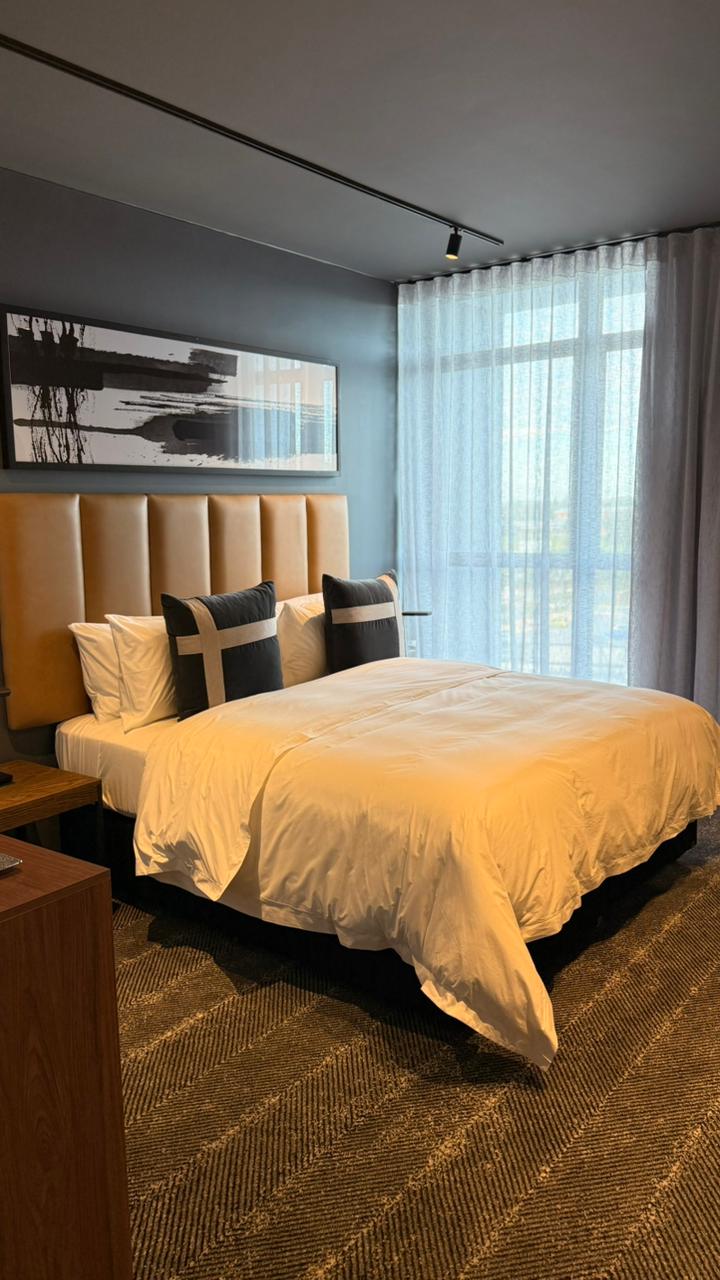
The Capital Boardwalk features 150 rooms and apartments, with around 50 apartment-style units aimed at long-stay business travellers and families.
According to Wachsberger, the concept was inspired by changing traveller behaviour, where business and leisure travel increasingly overlap.
“There’s this world of ‘bleisure’ now, business meets leisure,” he explained. “Business travellers are extending their trips for family leisure time, while leisure travellers are also working remotely from hotels.”
He added that modern travellers now demand flexible accommodation with kitchens, workspaces and strong connectivity.
“You’ve got desks in every room, high-speed Wi-Fi and plug points that are easy to access. People want convenience.”
Development contributed to jobs growth
The development created around 500 construction jobs, with 80% of workers sourced locally, according to the company.
The hotel now employs about 150 permanent staff members, again with the majority hired from the local community.
“These are people supporting families, and the multiplier effect on the economy is massive,” said Wachsberger.
The CEO believes Gqeberha’s reputation has unfairly suffered because of service delivery problems. “It’s got a bit of a bad name because of water and electricity issues, but it’s actually a great city,” he said.
“It’s also unfairly branded as the Windy City. It’s no windier than Cape Town.”
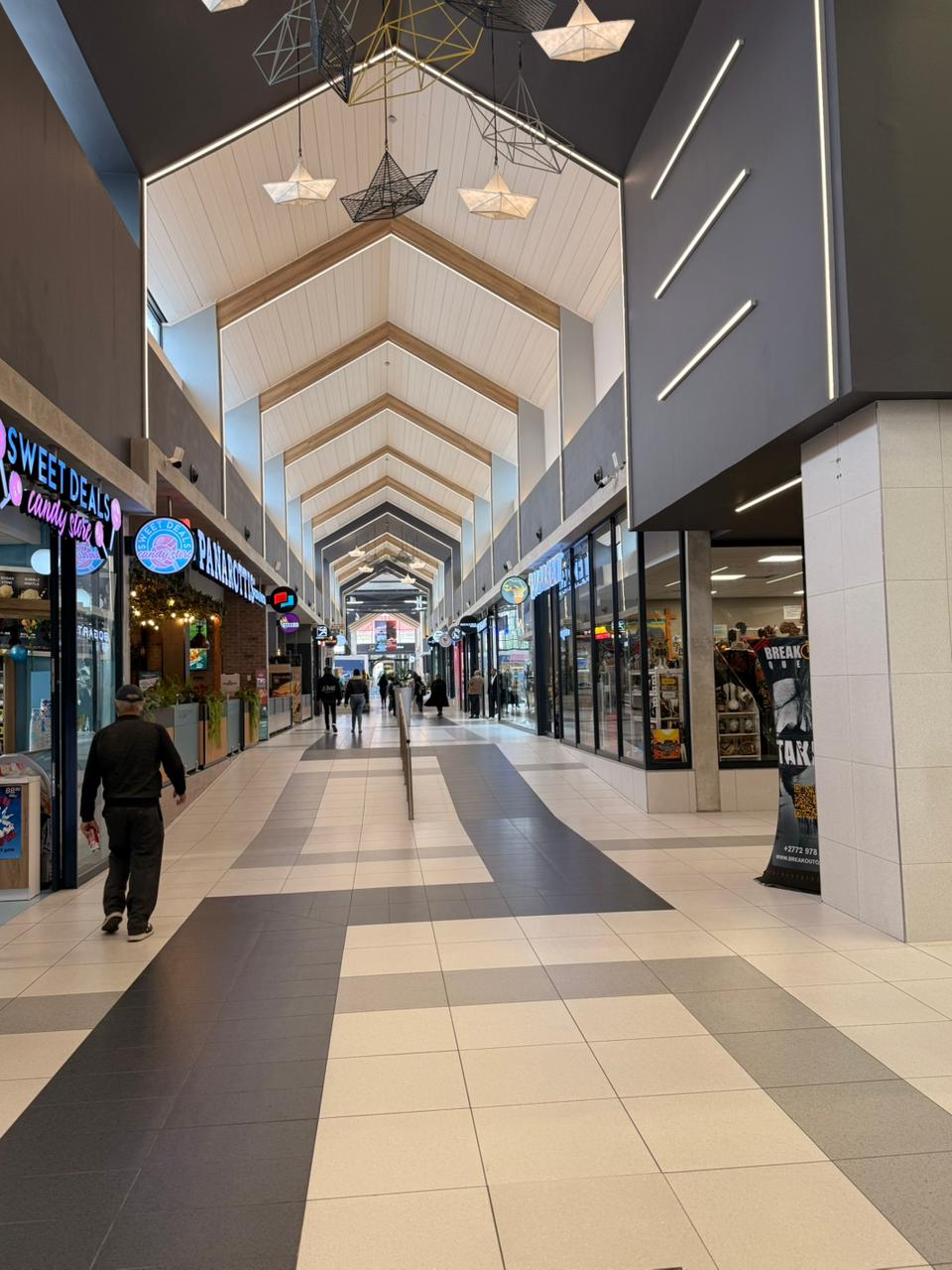
The Capital Boardwalk is attached to the Boardwalk Mall and entertainment complex, giving guests direct access to restaurants, cinemas, shops, the casino, padel courts and family attractions.
“Hotels are always about location,” Wachsberger said. “Today people want more than just a room. They want entertainment, shopping and experiences all in one place.”
The Capital currently operates 13 hotels nationally and plans to expand further into secondary cities, including Bloemfontein, following what Wachsberger described as strong success in Mbombela.
“In Mbombela we’re running at around 90% occupancy,” he said. “People say build another one there, but we’d rather move into new cities and keep rolling the model out across South Africa.”
He said conferencing has also become a major growth driver in the post-Covid economy.
“Companies don’t have massive offices anymore,” he explained. “They use conference centres for meetings, training and company culture-building. That’s why our conferencing business is growing strongly.”
Asked what success would look like for The Capital Boardwalk over the next few years, Wachsberger was confident.
“We expect to outperform the market,” he said. “We already know this hotel is going to be successful.”
- The Capital Hotels group is investing in a new modern hotel, The Capital Boardwalk, in Gqeberha despite the city’s water and electricity challenges, basing the decision on strong unmet demand for contemporary accommodations.
- The 150-room hotel offers apartment-style units aimed at business and leisure travelers blending work and vacation ("bleisure"), featuring kitchens, workspaces, high-speed Wi-Fi, and easy access to amenities.
- The project created about 500 construction jobs and employs 150 local permanent staff, contributing significantly to the local economy and community welfare.
- CEO Marc Wachsberger emphasized that Gqeberha’s negative reputation due to infrastructure issues is undeserved and highlighted the hotel’s prime location attached to the Boardwalk Mall offering entertainment, dining, and recreational facilities.
- The Capital Hotels plans to expand into other secondary South African cities, with conferencing services growing post-Covid, and expects The Capital Boardwalk to outperform the regional market in occupancy and success.


