


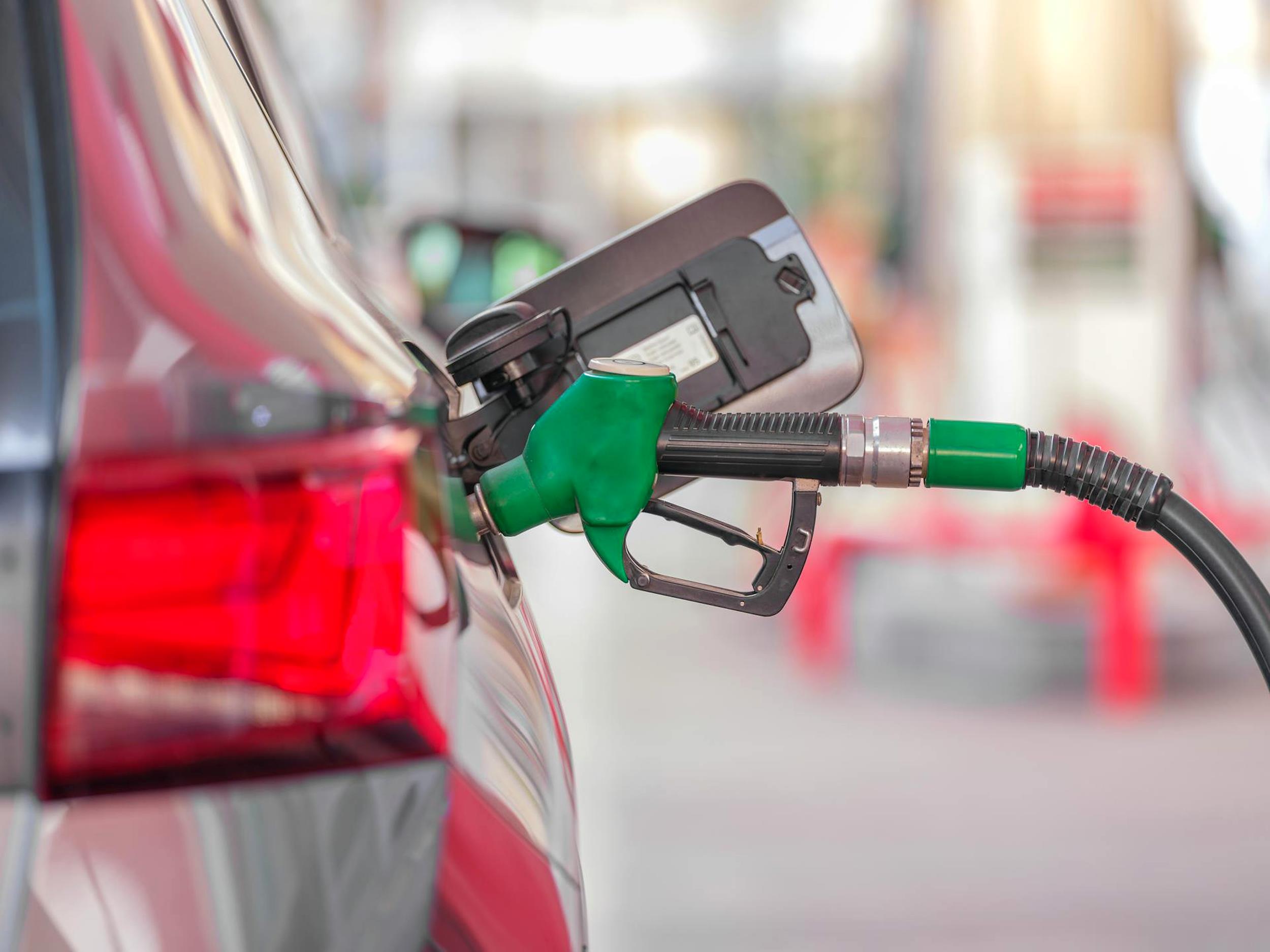
The Automobile Association of South Africa (AA) has called on Finance Minister Enoch Godongwana to urgently reduce fuel taxes by R3 a litre, warning that escalating petrol and diesel prices are placing unbearable financial pressure on households and businesses.
The appeal follows the fuel price increases implemented on October 7, with preliminary Central Energy Fund (CEF) data pointing to further substantial increases in November.
READ: ‘Nothing left to cut’ | Fuel price hikes force South Africans to make hard choices
November fuel shock looms
According to the AA, early projections indicate that petrol prices could rise by R4.29 a litre for 93 unleaded and R4.58 for 95 unleaded, while wholesale diesel prices could increase by between R2.56 and R2.91 a litre. The association claims diesel prices have doubled since January, rising from approximately R17 to more than R34 a litre.
In an open letter to the Ministry of Finance, the AA also criticised a proposal by the Road Accident Fund (RAF) to increase its fuel levy from the current R2.25 to R3 a litre. The proposal comes despite the RAF reportedly collecting R47.8 billion in net fuel levies during the 2025/26 financial year.
AA chief executive Bobby Ramagwede questioned the justification for increasing the levy while consumers face rising transport, food and other living expenses.
Ramagwede said:
“Gouging the consumer is not the answer, especially considering that net RAF levy collections totalled R47.8 billion during the quoted financial year,.
Call for alternative funding solutions
The association wants the RAF levy abolished and alternative funding mechanisms explored to address the fund’s financial obligations. It also argues that government should finance fuel tax relief by reducing wasteful expenditure rather than increasing borrowing.
The AA acknowledged Treasury’s temporary R3-a-litre fuel levy relief introduced in April, reportedly costing approximately R17 billion, but maintained that longer-term interventions were necessary.
Beyond tax reductions, the association wants the Department of Mineral and Petroleum Resources to review South Africa’s fuel pricing formula. It has also called on the CEF to develop a plan within 90 days to rebuild strategic fuel reserves and clarify PetroSA’s future.
Ramagwede warned that low-income commuters were particularly vulnerable, with some spending as much as 40% of their earnings on transport.
READ: Fuel price concerns mount as Middle East supply disruptions continue
Pressure on households and employers
The association further encouraged employers to consider transport allowances and flexible working arrangements to reduce commuting expenses. However, the proposed tax reductions would require government to identify alternative revenue sources or spending cuts, while the RAF’s existing financial obligations would still need to be funded.
The November fuel price projections remain preliminary and subject to changes in international oil prices and exchange rates before the official adjustment.
- The AA has urged Finance Minister Enoch Godongwana to reduce fuel taxes by R3 a litre due to rising petrol and diesel prices putting financial stress on households and businesses.
- Preliminary data from the Central Energy Fund suggests petrol prices could increase by R4.29 to R4.58 per litre and wholesale diesel prices could rise by R2.56 to R2.91 per litre in November.
- Diesel prices have doubled since January, going from about R17 to over R34 a litre.
- The AA opposes the Road Accident Fund's proposal to increase its fuel levy from R2.25 to R3 a litre, noting the RAF collected R47.8 billion in net fuel levies during the 2025/26 financial year.
- The AA calls for the abolition of the RAF fuel levy, alternative funding methods, a review of the fuel pricing formula, and the rebuilding of strategic fuel reserves within 90 days.


