


South Africa’s automotive aftermarket generated approximately R933 billion in trade during 2025, highlighting the sector’s significant economic contribution and untapped potential for job creation, localisation and industrial development.
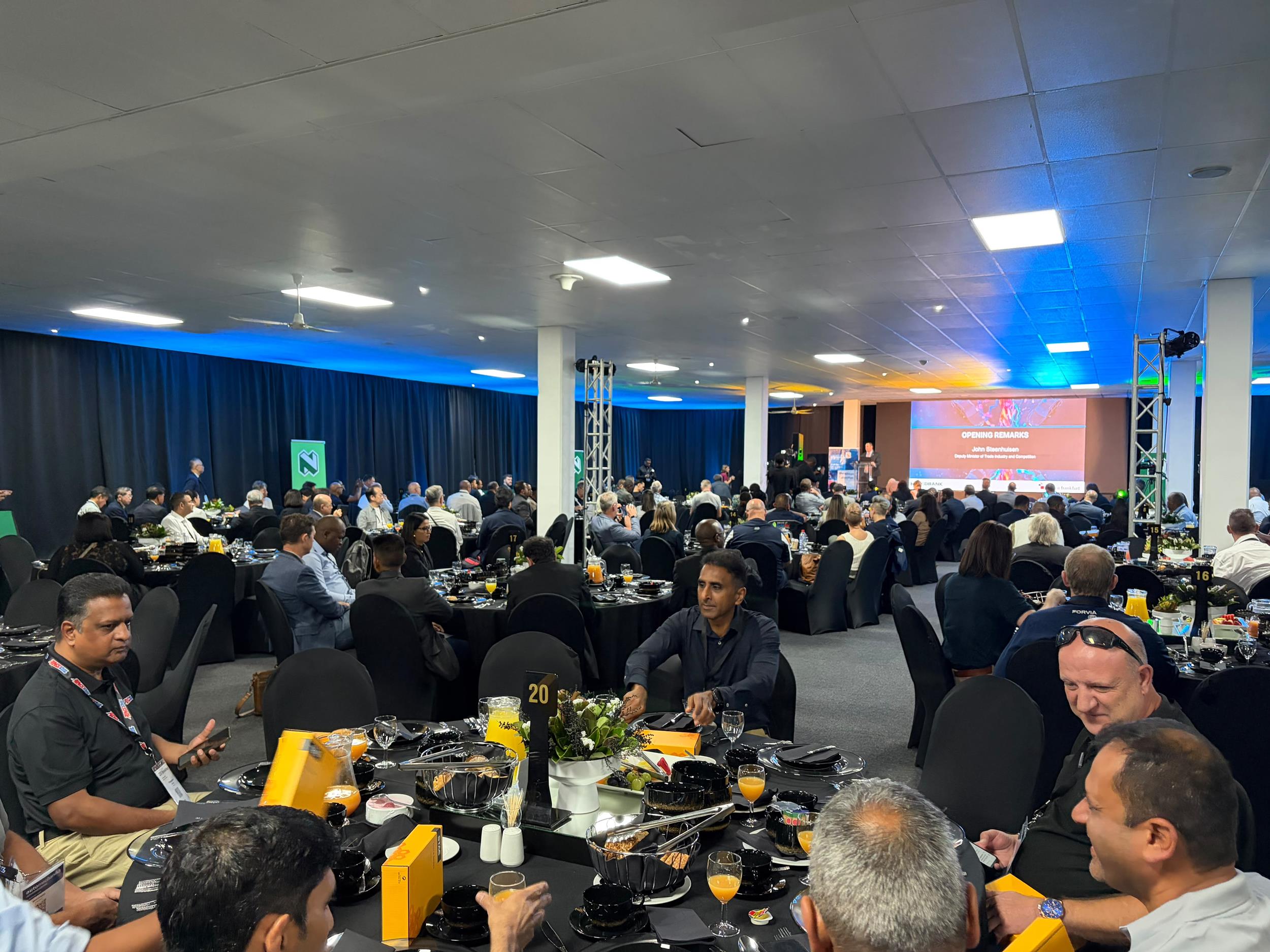
Speaking at the opening CEO Breakfast of Automechanika Johannesburg 2026 at Gallagher Convention Centre in Midrand on Tuesday, Deputy Minister of Trade, Industry and Competition, John Steenhuisen, said the sector contributed R202.6 billion to GDP and supported more than 310,000 jobs. This represents approximately 70% of total automotive employment, spread across more than 23,000 businesses, predominantly small and medium-sized enterprises.
Steenhuisen said the industry’s economic potential extended beyond vehicle manufacturing to the maintenance and repair of approximately 13 million vehicles operating on South African roads.
READ: New automotive report reveals SA’s car industry is on shaky ground
“If manufacturing is the birth of the vehicle, the aftermarket is the life of the vehicle,” he said.
He revealed that South Africa imported approximately R107.5 billion worth of replacement parts in 2025, presenting opportunities for increased local manufacturing and reduced import dependence.
With approximately 76% of vehicles on South African roads outside their manufacturer warranty periods, independent workshops and parts suppliers play an increasingly important role.
READ: Govt moves to end semi-knock-down vehicle assembly in SA
Steenhuisen called for the ongoing review of the Automotive Production and Development Programme (APDP2) to accommodate the broader aftermarket industry. However, skills shortages remain a concern, with South Africa reportedly having 31% fewer qualified automotive artisans than in 2009.
Retail Motor Industry Organisation COO, Henk Ferreira, welcomed government’s recognition of the sector but stressed the importance of developing technicians capable of servicing increasingly sophisticated vehicles.
Meanwhile, Automotive Industry Transformation Fund’s Head of Corporate Planning and Strategy, Sentle Mokalanyane, called for greater participation by Black-owned businesses in automotive value chains. He emphasised that access to finance should be accompanied by technical training, equipment, certification and market opportunities.
Gauteng Growth and Development Agency CEO, Sthembiso Dlamini, highlighted initiatives including the Alexandra Automotive Hub aimed at supporting township enterprises.
Industry representatives also raised concerns about infrastructure constraints, declining profitability, vehicle safety and the need for greater investment in emerging automotive technologies.
Steenhuisen identified the African Continental Free Trade Area as an opportunity to expand exports of replacement parts and automotive services into regional markets.
The discussions highlighted the challenge facing government and industry: translating policy commitments into investment, sustainable businesses and employment opportunities.
Automechanika Johannesburg, hosted by Messe Frankfurt South Africa, continues until Thursday, October 29.
- South Africa’s automotive aftermarket generated approximately R933 billion in trade during 2025, contributing R202.6 billion to GDP and supporting over 310,000 jobs.
- The sector accounts for about 70% of total automotive employment across more than 23,000 mainly small and medium-sized enterprises.
- South Africa imported around R107.5 billion worth of replacement parts in 2025, indicating opportunities for increased local manufacturing and reduced import dependence.
- About 76% of vehicles on South African roads are outside their manufacturer warranty periods, making independent workshops and parts suppliers increasingly vital.
- Skills shortages persist with 31% fewer qualified automotive artisans compared to 2009, and calls have been made for more technical training and greater participation of Black-owned businesses in the automotive value chain.


