


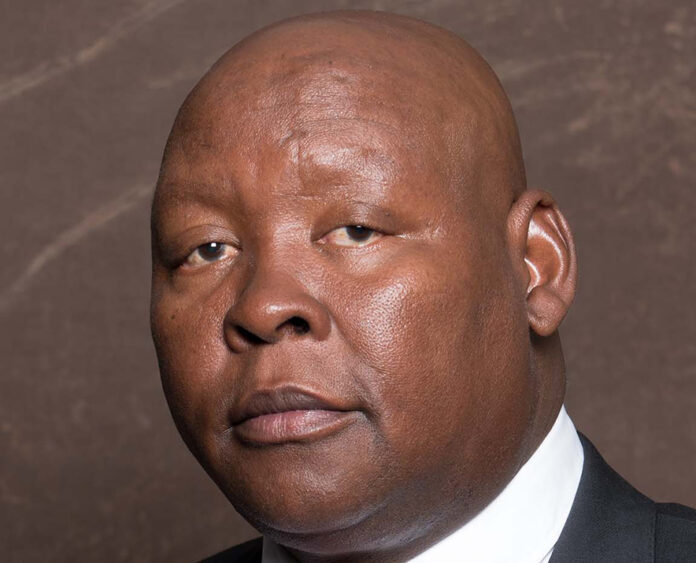
A long-standing battle between two Bloemfontein-based black-owned bus operators and the provincial police, roads and transport department as the main respondent has played out in the Bloemfontein High Court.
The two companies, Zeus Coaches and Lungi and Sons Bus Lines, claim that the Mangaung metro has unfairly excluded them from benefiting from state-sponsored multibillion rand transport services subsidies in favour of the more established white-owned Interstate Bus Lines, which has been doing business with the government since before the advent of democracy.
Zeus Coaches and Lungi and Sons Services are challenging the MEC of Police, Roads and Transport’s administrative action that has allowed Interstate to be the preferred service provider, and they have subsequently asked the court to review and set it aside.
William Bulwane was at the helm of the department when the matter was initially filed in court. Jabu Mbalula has since taken over that portfolio as MEC.
According to Zeus Coaches owner David Tsotang Mothebe, Interstate has been receiving state-subsidised road transportation contracts from the metro for over two decades without the rigour of a competitive bidding process – something they argue is a clear violation of procurement laws.
“…in the face of clear violation of the modern procurement law dispensation, the administrative action performed must be set aside, and the court may order remedial action to be taken,” Mothebe said in his affidavit.
In their court documents, the applicants also cited Interstate, as well as the ministers of transport and finance, as respondents. The Free State transport department pays out subsidies to third-party contractors to assist them in providing accessible, affordable, reliable and safe public transport.
After 1994, the government changed the monopolised public bus transport system that was in effect in the country at the time to a new classification based on competitive tenders, affecting not only Interstate but also other operators.
“I have personal knowledge of the fact that in or around 1997, the provincial government entered into a variety of agreements with bus operators. Those contracts were, however, interim, concluded on the back of a tender process and subsequent negotiation.”
However, those interim contracts were reportedly renewed at the end of the initial three-year term, even after the Preferential Procurement Policy Framework Act came into effect. According to the applicants, since then Interstate has continued to be the only beneficiary of government subsidies. “I stress again [that] the department has not brought about the awarding of any contract after soliciting tenders from prospective bidders.”
Mothebe further claims that there was an attempt by the roads department in 2018 to restructure the bus network and integrate public transportation in the province, where smaller and emerging operators would be provided an opportunity to partake. But he told the court that those efforts came to nothing, as subsidised bus contracts in the Free State remained stagnant and that such agreements had since been managed on a month-to-month basis.
In his response, the COO of Interstate, Johannes Du Plessis, said that Zeus Coaches and Lungi & Sons Services had not provided the necessary basic facts, evidence, and clear reasons to back up the claims and conclusions made in their initial and additional affidavits.
“…the applicants bear the onus to prove that any existing contract between the Free State provincial government and the second respondent is illegal and/or unlawful and/or invalid,” said Du Plessis.
He added that both applicants failed to demonstrate a valid case for granting relief by identifying a contract between Interstate and the Free State government, which would prove that such an agreement should be struck down.
“The arrangements that must be put in place by the contracting authorities to facilitate the tender process and to ensure that the provision of services continues without interruption during the tender process are not subject to a tender process,” responded Du Plessis.
The Bloemfontein High Court has reserved judgment on the matter.
- Two black-owned bus operators based in Bloemfontein have been engaged in a prolonged legal dispute.
- The main respondent in the case is the provincial police, roads, and transport department.
- The case was recently heard in the Bloemfontein High Court.
- The conflict highlights ongoing challenges faced by local transport businesses against government departments.
- Further details of the case are available in the full Sunday World e-edition.


