


Further details submitted to Parliament have effectively cleared the Executive Authority of any operational involvement in the handling of the burglary at President Cyril Ramaphosa’s Limpopo farm.
In a detailed 19-page response by Acting Police Minister Firoz Cachalia to the Portfolio Committee on Police, the report repeatedly stresses that neither the Presidency nor the Executive Authority played any role in directing how the investigation was handled by the South African Police Service (SAPS) or the Presidential Protection Service (PPS).
“The disciplinary processes undertaken did not establish any evidence indicating that the Executive Authority issued instructions in relation to the handling of the matter,” the document states.
It further adds that the available evidence “did not substantiate any direct involvement in operational decisions, including the tracing or questioning of individuals.”
The responses come after Members of Parliament (MPs) raised concerns over May’s presentations by South African Police Service (SAPS) leadership and the Independent Police Investigative Directorate (IPID), which they said failed to fully account for how key decisions were taken during the initial phases of the investigation into the 2020 burglary.
This was a subsequent submission to clarify issues to MPs, was sent to the committee last week ahead of the second which was scheduled meeting on Wednesday.
Executive Authority vs operational policing structures
The report draws a firm distinction between executive authority and operational policing structures, emphasising that the conduct under scrutiny was assessed strictly within SAPS disciplinary processes and on the available evidentiary record.
No proof was found to suggest that decisions made during the investigation, including actions taken by members of the Presidential Protection Unit, were influenced by the Presidency or any external directive.
The conclusion places executive authority outside the chain of operational accountability in the matter, with the report instead focusing on internal SAPS decision-making and evidentiary shortcomings.
This includes findings that disciplinary outcomes were based on the balance of probabilities and the evidence presented, rather than any inference of political or executive instruction.
Renewed scrutiny
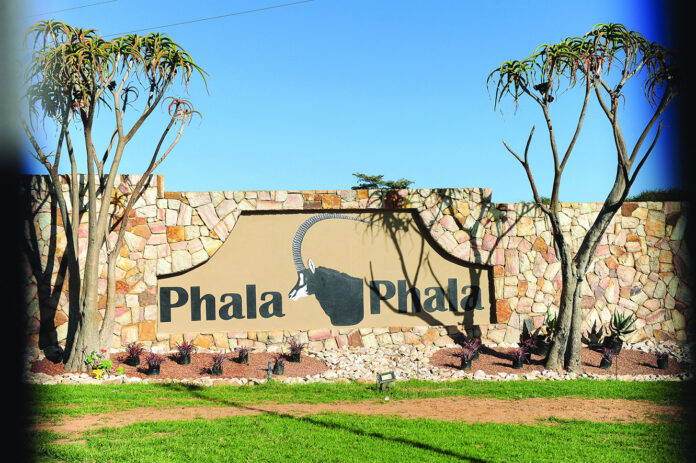
The renewed scrutiny of the Phala Phala investigation comes against the backdrop of explosive findings by an Ipid report which was recently declassified.
The document alleges that members of Ramaphosa’s protection team may have engaged in unlawful conduct while pursuing suspects linked to the 2020 burglary, where hundreds of thousands of dollars were stolen.
According to the watchdog’s findings, Wally Rhoode and other members of the presidential protection unit were implicated in an off-the-books operation to trace suspects after large sums of foreign currency were stolen from the farm. However, they did not face any consequences.
Ipid found evidence suggesting that suspects were tracked down, questioned outside formal legal processes and, in some instances, allegedly paid money in exchange for their silence about the theft.
Read More:
‘Delayed reporting cost investigators Phala Phala crime scene’: Firoz Cachalia
- Acting Police Minister Firoz Cachalia clarified in a 19-page report that the Presidency and Executive Authority had no operational role in the 2020 burglary investigation at President Ramaphosa’s Limpopo farm.
- The report emphasized that neither the Presidency nor Executive Authority directed or influenced SAPS or the Presidential Protection Service’s investigative actions.
- Disciplinary processes within SAPS found no evidence of executive instructions or external interference in operational decisions regarding the case.
- The findings follow concerns from MPs and a declassified IPID report alleging unlawful conduct by members of Ramaphosa’s protection team, including off-the-books suspect tracking and silencing tactics.
- The report distinguishes executive authority from policing operations, placing accountability solely within SAPS, while acknowledging evidentiary gaps affecting disciplinary outcomes.


