


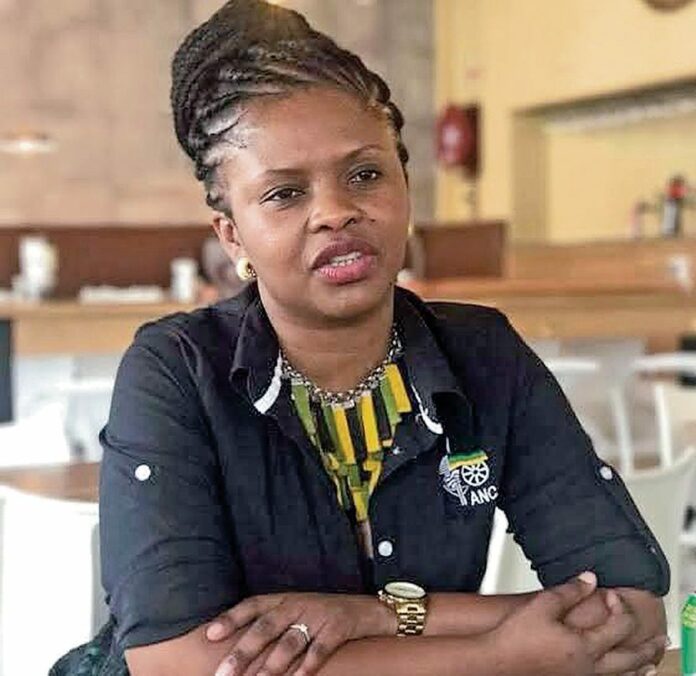
ANC MP and portfolio committee member Khusela Diko has fiercely pushed back against Ghana’s move to place alleged xenophobic attacks in South Africa on the agenda of the African Union, declaring that South Africans “will NOT be bullied” by either Western powers or fellow African states.
Diko, who serves in Parliament under the ANC and remains one of the party’s influential voices on governance and public affairs, reacted after Ghana’s Ministry of Foreign Affairs formally requested the African Union Commission to discuss “Xenophobic Attacks in the Republic of South Africa against African Nationals” at the AU’s Eighth Mid-Year Coordination Meeting in Egypt next month.
Ghana’s diplomatic letter
The strongly worded diplomatic letter, signed by Ghanaian Foreign Affairs Minister Samuel Okudzeto Ablakwa, accuses South Africa of recurring xenophobic incidents that have allegedly resulted in deaths, destruction of investment and threats to the safety of African nationals living in the country.
But Diko rejected the characterisation of South Africa as a xenophobic nation.
“We will NOT be bullied!! Whether it’s by the West or our African compatriots,” Diko said in a public statement.
“South Africa is not a xenophobic country. We have our own problems in this country stemming from inequality and high levels of crime but we refuse to be scapegoats for sister African countries.”
The ANC parliamentarian argued that migration pressures facing South Africa were rooted in broader continental economic and governance failures.
“All of us must resolve our challenges which push people away from their native countries to seek opportunity elsewhere,” she said.
Debate around migration
Her remarks place a senior ANC lawmaker firmly at the centre of a rapidly escalating continental debate around migration, illegal immigration, unemployment and African solidarity.
In its diplomatic communication, Ghana said it was “deeply concerned” by what it called recurring manifestations of xenophobia in South Africa.
The West African country argued that attacks against African nationals undermine Pan-Africanism, continental unity and even the objectives of the African Continental Free Trade Area.
Ghana further called for an African Union fact-finding mission into the underlying causes of xenophobic violence in South Africa and requested strengthened AU monitoring mechanisms.
‘Concerns not xenophobia’
Diko, however, leaned on President Cyril Ramaphosa’s previous public remarks to argue that South Africa distinguishes between xenophobia and concerns around illegal immigration and crime.
Quoting Ramaphosa directly, she said: “We are a people who live the value of Ubuntu. We should never allow the legitimate concerns of our communities about illegal immigration to breed prejudice against our fellow Africans.”
She further quoted the president saying: “We must not allow these concerns to give rise to Xenophobia directed towards people from other African countries or any other parts of the world. Instead we must insist that the law be upheld and enforced.”
Impact on labour laws
Diko also highlighted Ramaphosa’s stance on undocumented migration and labour law enforcement.
“That is why we are clamping down on illegal migration and on businesses that flout our laws by hiring undocumented persons at the expense of our citizens,” Ramaphosa said in the statement shared by Diko.
“We will not allow people to take the law into their own hands.”
The row threatens to reopen painful continental scars around South Africa’s periodic outbreaks of anti-foreigner violence, which have previously strained diplomatic relations with several African countries.
Ghana’s intervention now places the issue squarely before the African Union, setting the stage for potentially uncomfortable continental deliberations around migration, economic inequality, sovereignty and Pan-African responsibility.
Visit SW YouTube Channel for our video content
- ANC MP Khusela Diko strongly opposed Ghana’s request to discuss alleged xenophobic attacks in South Africa at the African Union, asserting South Africans “will NOT be bullied” by others.
- Ghana’s Foreign Affairs Minister accused South Africa of recurring xenophobic violence causing deaths, property damage, and insecurity for African nationals, prompting the AU agenda item.
- Diko rejected labeling South Africa as xenophobic, citing domestic challenges like inequality and crime, and stressing that migration issues stem from broader African economic and governance problems.
- Ghana urged an AU fact-finding mission and stronger monitoring of xenophobic incidents, while South African leadership distinguishes between xenophobia and concerns over illegal immigration.
- The dispute highlights tensions around migration, labour laws, and Pan-African unity, with potential for contentious debates at the AU affecting continental diplomacy and cooperation.


