


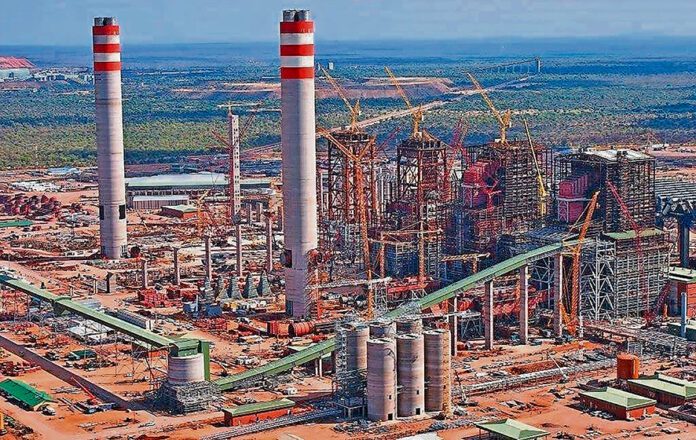
Eskom is facing intensified parliamentary oversight and court‑imposed compliance deadlines after the Supreme Court of Appeal (SCA) ruled that the utility and state regulators failed in their environmental obligations at the Kusile Power Station, one of South Africa’s largest electricity generation facilities.
The judgement, which stems from litigation brought by the Vukani Environmental Movement, found that Eskom had not fully complied with environmental authorisations, waste management licences and water‑use licence conditions governing the Mpumalanga-based power station.
The court also found that the Department of Forestry, Fisheries and the Environment (DFFE) and the Department of Water and Sanitation (DWS) had failed to take reasonable and effective measures to enforce compliance.
Ruling raises governance and risk management stakes
The ruling has major repercussions for Eskom’s governance, environmental risk management and regulatory oversight.
During a joint sitting of Parliament’s portfolio committees on Electricity and Energy, Forestry, Fisheries and the Environment, and Water and Sanitation on Wednesday, lawmakers stressed that Eskom’s critical role in the national grid does not place it above environmental legislation or constitutional obligations.
The SCA ordered Eskom to submit a water management action plan within 30 days, provide a detailed progress report to the applicants within 60 days, and require environmental inspectors from DFFE and DWS to verify compliance and issue final directives within 75 days. While the court declined to grant a structural interdict, it issued declaratory and mandatory relief compelling both Eskom and regulators to act.
Eskom reports progress but MPs remain sceptical
Eskom told MPs it had already begun addressing the issues before the court ruling. The utility said it had completed 25 of the 41 corrective actions in a July 2023 action plan and had reported improvements in surface water quality. According to Eskom, compliance levels now stand at 99% for water-use licence requirements and 98% for environmental authorisation conditions, following an independent audit conducted in 2026.
Read more: Eskom posts R30bn net profit but debt, municipal arrears remain threats
South African miners accelerate shift to renewable power to cut Eskom reliance
However, lawmakers questioned whether compliance metrics alone could demonstrate that environmental damage had been adequately addressed. Committees noted that several downstream surface water and groundwater monitoring points remain outside the requirements of applicable water‑use licence conditions and said progress should ultimately be measured by environmental recovery rather than procedural compliance.
The pollution issues intensified after a major Flue Gas Desulphurisation (FGD) system failure in June 2023. Eskom said gypsum sludge from the incident significantly reduced pollution‑control dam capacity and contributed to environmental management challenges at the 4,800MW station.
Persistent contamination and system weaknesses highlighted
Despite progress reported by the utility, MPs raised concerns about continued groundwater contamination, recurring water-quality problems, dam capacity constraints, stormwater management failures, and weaknesses in Kusile’s water management system with a closed loop.
Eskom executives told the committees that consequence management processes had been concluded, with the previous station general manager removed and disciplinary action taken against line managers. The utility said it had strengthened environmental compliance oversight through executive-level monitoring structures and more frequent environmental monitoring.
Government departments also acknowledged shortcomings in their oversight role.
DFFE details enforcement history and coordination gaps
Deputy Minister of Forestry, Fisheries and the Environment Narend Singh told the meeting that Eskom’s importance to the national power system did not exempt it from complying with environmental laws.
Officials detailed a history of inspections and enforcement actions dating back to 2022, including compliance notices issued after inspectors discovered breaches relating to emissions, waste management and water‑use conditions.
DFFE further revealed that a compliance notice issued in January 2023 was later set aside following Eskom’s objection and admitted that jurisdictional complexities between DFFE and DWS highlighted the need for stronger interdepartmental coordination. The departments are now conducting a joint assessment at Kusile in line with the court order.
In a development that could strengthen Eskom’s environmental credentials, DFFE officials said all six Kusile generating units are now compliant with revised atmospheric emissions licence limits. Following the restoration of the FGD system, the station is operating within stricter sulphur dioxide, particulate matter and nitrogen oxide limits, making it the least polluting plant in Eskom’s coal fleet by those measures.
Case exposes systemic governance failures
Deputy Minister of Electricity and Energy Alexandra Abrahams described the case as evidence of systemic governance failures that had undermined public trust and caused tangible environmental harm. She said government departments would need to shift from passive monitoring to proactive risk management approaches.
Parliament’s committees said they would reconvene later in the year to assess compliance with the court deadlines and review progress on rehabilitation measures. The rehabilitative work is expected to extend beyond the power station’s boundaries to address impacts on rivers, wetlands, groundwater systems, agricultural activities and affected communities.
The case is likely to become a landmark test of how South Africa balances energy security with environmental accountability, as Eskom continues its efforts to restore operational stability while navigating increasing legal, regulatory and sustainability pressures.
- The Supreme Court of Appeal ruled that Eskom and state regulators failed to meet environmental obligations at the Kusile Power Station, with non-compliance in environmental authorisations, waste management, and water-use licences.
- The court ordered Eskom to submit a water management action plan within 30 days, provide progress reports within 60 days, and allow inspectors to verify compliance within 75 days.
- Eskom reported completing 25 of 41 corrective actions and achieving 99% compliance with water-use licence requirements and 98% with environmental authorisation conditions after a 2026 audit.
- MPs expressed concerns about ongoing groundwater contamination, water-quality issues, dam capacity constraints, and stormwater management failures despite Eskom's reported progress.
- Departments acknowledged enforcement shortcomings and jurisdictional coordination gaps, with a joint assessment at Kusile underway and all six generating units now compliant with revised atmospheric emissions licence limits.
Eskom is facing intensified parliamentary oversight and court‑imposed compliance deadlines after the Supreme Court of Appeal (SCA) ruled that the utility and state regulators failed in their environmental obligations at the Kusile Power Station, one of South Africa's largest electricity generation facilities.
The judgement, which stems from litigation brought by the Vukani Environmental Movement, found that Eskom had not fully complied with environmental authorisations, waste management licences and water‑use licence conditions governing the Mpumalanga-based power station.
The court also found that the Department of Forestry, Fisheries and the Environment (DFFE) and the Department of Water and Sanitation (DWS) had failed to take reasonable and effective measures to enforce compliance.
The ruling has major repercussions for Eskom's governance, environmental risk management and regulatory oversight.
During a joint sitting of Parliament's portfolio committees on Electricity and Energy, Forestry, Fisheries and the Environment, and Water and Sanitation on Wednesday, lawmakers stressed that Eskom's critical role in the national grid does not place it above environmental legislation or constitutional obligations.
The SCA ordered Eskom to submit a water management action plan within 30 days, provide a detailed progress report to the applicants within 60 days, and require environmental inspectors from DFFE and DWS to verify compliance and issue final directives within 75 days. While the court declined to grant a structural interdict, it issued declaratory and mandatory relief compelling both Eskom and regulators to act.
Eskom told MPs it had already begun addressing the issues before the court ruling. The utility said it had completed 25 of the 41 corrective actions in a July 2023 action plan and had reported improvements in surface water quality. According to Eskom, compliance levels now stand at 99% for water-use licence requirements and 98% for environmental authorisation conditions, following an independent audit conducted in 2026.
Read more: Eskom posts R30bn net profit but debt, municipal arrears remain threats
South African miners accelerate shift to renewable power to cut Eskom reliance
However, lawmakers questioned whether compliance metrics alone could demonstrate that environmental damage had been adequately addressed. Committees noted that several downstream surface water and groundwater monitoring points remain outside the requirements of applicable water‑use licence conditions and said progress should ultimately be measured by environmental recovery rather than procedural compliance.
The pollution issues intensified after a major Flue Gas Desulphurisation (FGD) system failure in June 2023. Eskom said gypsum sludge from the incident significantly reduced pollution‑control dam capacity and contributed to environmental management challenges at the 4,800MW station.
Despite progress reported by the utility, MPs raised concerns about continued groundwater contamination, recurring water-quality problems, dam capacity constraints, stormwater management failures, and weaknesses in Kusile's water management system with a closed loop.
Eskom executives told the committees that consequence management processes had been concluded, with the previous station general manager removed and disciplinary action taken against line managers. The utility said it had strengthened environmental compliance oversight through executive-level monitoring structures and more frequent environmental monitoring.
Government departments also acknowledged shortcomings in their oversight role.
Deputy Minister of Forestry, Fisheries and the Environment Narend Singh told the meeting that Eskom's importance to the national power system did not exempt it from complying with environmental laws.
Officials detailed a history of inspections and enforcement actions dating back to 2022, including compliance notices issued after inspectors discovered breaches relating to emissions, waste management and water‑use conditions.
DFFE further revealed that a compliance notice issued in January 2023 was later set aside following Eskom's objection and admitted that jurisdictional complexities between DFFE and DWS highlighted the need for stronger interdepartmental coordination. The departments are now conducting a joint assessment at Kusile in line with the court order.
In a development that could strengthen Eskom's environmental credentials, DFFE officials said all six Kusile generating units are now compliant with revised atmospheric emissions licence limits. Following the restoration of the FGD system, the station is operating within stricter sulphur dioxide, particulate matter and nitrogen oxide limits, making it the least polluting plant in Eskom's coal fleet by those measures.
Deputy Minister of Electricity and Energy Alexandra Abrahams described the case as evidence of systemic governance failures that had undermined public trust and caused tangible environmental harm. She said government departments would need to shift from passive monitoring to proactive risk management approaches.
Parliament's committees said they would reconvene later in the year to assess compliance with the court deadlines and review progress on rehabilitation measures. The rehabilitative work is expected to extend beyond the power station's boundaries to address impacts on rivers, wetlands, groundwater systems, agricultural activities and affected communities.
The case is likely to become a landmark test of how South Africa balances energy security with environmental accountability, as Eskom continues its efforts to restore operational stability while navigating increasing legal, regulatory and sustainability pressures.


