


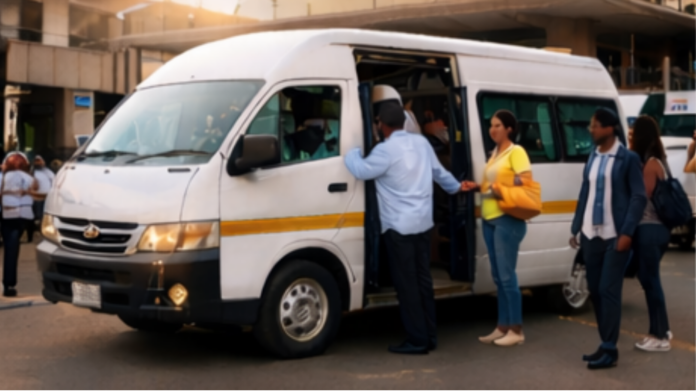
South Africa’s commuter transport operators are facing mounting pressure as rising diesel costs threaten to squeeze already-tight operating margins. From August 5, wholesale diesel prices increased by between R1.23 and R1.38 a litre, according to figures released by the Department of Mineral and Petroleum Resources.
For bus and taxi operators whose vehicles spend long hours on the road, the impact of higher fuel prices extends beyond the fuel bill. Industry experts warn that sustained cost pressures could affect vehicle maintenance, driver safety and the ability of operators to keep their fleets running reliably.
According to specialist insurance underwriting business CTU, the key concern is what happens when operators are forced to find savings elsewhere to absorb rising fuel costs.
Fuel is one of the biggest recurring expenses for commuter transport businesses, while being largely outside operators’ control. When diesel prices rise, operators may have to absorb the additional cost without significantly increasing fares or reducing the number of trips they provide.
This can create pressure on other areas of fleet management. Tyres, for example, are essential to road safety but can represent a significant expense for large fleets. Delaying the replacement of worn tyres may reduce costs in the short term but increase the risk of incidents, particularly for vehicles travelling long distances every day.
Also Read: Alternative fuels: Are EVs the undisputed king?
Vehicle maintenance can face similar pressure. Extending service intervals may provide temporary financial relief, but it can increase the likelihood of mechanical problems, breakdowns and costly unplanned downtime.
Glass damage is another potential concern. Small chips and cracks can become more serious when repairs are delayed, while poorly maintained vehicles may become more vulnerable to avoidable damage.
The pressure can also extend to drivers. Operators trying to recover higher fuel costs may increase vehicle utilisation, tighten schedules or require drivers to work longer hours. Over time, these practices could contribute to driver fatigue and create additional road-safety risks.
Why taxis and buses are vulnerable
The nature of commuter transport makes the sector particularly sensitive to increases in operating costs. Buses and taxis are highly utilised, often spending most of the day on the road and covering substantial distances. Taking a vehicle off the road for maintenance can immediately affect an operator’s ability to generate income.
The challenge is therefore to keep vehicles productive without allowing maintenance and safety to fall down the priority list. CTU says it is working with brokers and operators to identify emerging risks early and help commuter fleets maintain appropriate safety and maintenance standards.
The company is also investing in its broker partnerships through product training and industry insights aimed at helping brokers better support commuter transport clients.
Practical measures include reviewing tyre and vehicle-maintenance practices, improving route planning, reducing unnecessary idling and using telematics to understand driver behaviour and fleet performance.
CTU is also providing brokers with guidance on tyre and maintenance risks so they can raise these issues with transport clients and encourage preventative maintenance as part of broader risk management.
What happens in the next 90 days?
The outlook for commuter operators will remain closely tied to fuel prices. If diesel prices remain elevated, operators are likely to continue facing pressure on their margins. This could increase the focus on maintenance costs and potentially contribute to a modest rise in claims.
A further increase in diesel prices, particularly if global oil-market disruption continues, could place operators under even greater financial pressure and increase the likelihood of deferred maintenance and more expensive claims.
For CTU, early engagement between brokers and transport operators will therefore be important.
“When costs rise, operators have to make difficult decisions about where to absorb that pressure. For us, this reinforces the importance of understanding how changing operating conditions can affect risk across the transport sector and ensuring that safety and maintenance standards remain a priority,” says Fahmida Omar, chief customer officer at CTU.
“Good maintenance and safe driving practices remain important regardless of what is happening with fuel prices, and we want to help our clients maintain those standards while managing the realities of running a commuter fleet.”
South Africa’s commuter transport operators remain critical to keeping millions of people moving every day. While fuel prices will continue to fluctuate, how operators respond to rising costs could determine whether those pressures remain manageable or begin creating wider operational and safety risks.
- Wholesale diesel prices in South Africa increased by between R1.23 and R1.38 per litre from August 5, affecting commuter transport operators.
- Rising fuel costs are pressuring operators to cut expenses in areas like vehicle maintenance, tyres, and driver hours, potentially impacting safety and reliability.
- CTU insurance warns that deferring maintenance and increasing vehicle utilisation due to fuel costs can lead to higher risks of mechanical failures, accidents, and claims.
- Commuter transport vehicles are highly utilised, making it challenging to balance productive use with necessary maintenance without losing income.
- CTU is assisting brokers and operators with risk management through training, improved maintenance practices, and telematics to address emerging risks amid rising fuel prices.


