


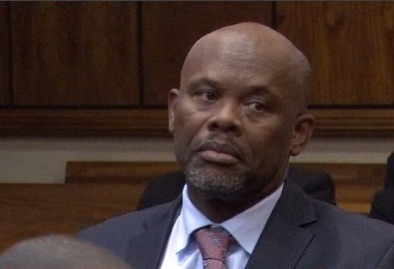
The defence of suspended deputy national police commissioner General Shadrack Sibiya has continued to challenge the State’s human trafficking and rape case, questioning the role of Mr M, the circumstances surrounding the women’s visit to The Grand and whether the evidence establishes coercion.
The questioning formed part of Friday’s continued cross-examination of investigating officer Detective Sergeant Nokukhanya Ndlovu during Sibiya’s bail application in the Randburg Magistrates’ Court.
READ: Shadrack Sibiya bail hearing: Court hears details of alleged sexual grooming of 16-year-old
Ndlovu, who is opposing Sibiya’s release, maintained that the State has a strong case against the suspended police general.
Sibiya faces five charges, including rape, trafficking in persons, promoting sexual grooming of a child and two counts relating to sexual grooming.
The allegations against him remain untested. Sibiya denies the charges and says he intends to plead not guilty.
Defence advocate Amanda Nel repeatedly challenged Ndlovu over the role played by Mr M, who is the father of the 16-year-old girl at the centre of the grooming allegations and was described in court as someone known to Sibiya.
The defence argued that Mr M was the central perpetrator in the broader sequence of events involving the women.
Nel questioned whether the evidence showed that Sibiya had recruited, transported or exercised control over the women as required for the trafficking allegation.
Ndlovu maintained that Mr M transported the women under Sibiya’s direction.The defence also argued that the alleged exploitation was limited to the sexual exploitation of one of the women, referred to as N during the proceedings.
The State disputes this interpretation and maintains that the circumstances surrounding the women’s movements form part of its trafficking case against Sibiya.
The Grand and alleged control
The defence also continued to challenge the State’s account of what happened when the women went to The Grand. Nel disputed the suggestion that Sibiya exercised “strict control” over the women, including the allegation that he instructed them not to take photographs of him.
Ndlovu maintained that the circumstances formed part of the State’s assessment of the power and control allegedly exercised over the women. Nel also challenged the relevance of the women’s ages, pointing out that the women involved in the trafficking allegation were legally adults.
Ndlovu acknowledged that they were adults but said she considered them teenagers and viewed the age and power difference between them and Sibiya as significant. Magistrate Hleziphi Mkhasibe questioned whether an adult could nevertheless be vulnerable.
Ndlovu told the court that the women had described Sibiya as a father figure. The defence challenged this version, alleging that one of the women, referred to as “Neo” during proceedings, had a romantic relationship with Sibiya.
Ndlovu said she had no knowledge of the allegation and declined to comment further, citing the need to protect the identities of the women. Mkhasibe confirmed that the identities of the women must remain confidential. The court heard that one of the women is a friend of Mr M’s daughter, while the other two are also friends.
Nel then questioned Ndlovu about allegations that Sibiya forced the women to drink alcohol and participate in dancing and twerking. Nel put it to the investigating officer that Sibiya had allegedly said: “I dare you to drink, I dare you to twerk.”
Ndlovu maintained that the women were forced to drink. The defence disputed this version, describing it as improbable.
Nel also referred to a statement by Mr M in which he allegedly told Sibiya that the women could not participate in such activities because they were minors.
The defence argued that the State had twisted the contents of the statement and was creating an impression of Sibiya that was not supported by the evidence.
The defence further argued that Mr M was the perpetrator in the broader scheme of events. Ndlovu rejected this version and maintained that Mr M transported the women under Sibiya’s instruction.
Also Read: Shadrack Sibiya bail hearing: Court hears details of alleged sexual grooming of 16-year-old
The court then turned to the rape allegation involving one of the women. Ndlovu told the court that the State’s case was that the woman was given liquor, became unconscious and was subsequently raped by Sibiya.
According to the State’s evidence, the woman’s friends later noticed blood spots on the bed and advised her to open a case. Sibiya disputes the rape allegation. His defence maintains that sexual intercourse occurred but was consensual.
Nel argued that Sibiya could have denied having sexual intercourse with the woman altogether, but instead acknowledged that intercourse had occurred and maintained that it was consensual.
The State objected to this line of questioning, arguing that the defence was going too far in its cross-examination and that the approach was an affront to the rights of the alleged victims. The prosecution has maintained that the woman was incapacitated and unable to consent at the time of the alleged incident. The State’s evidence concerning the alleged rape remains subject to challenge during the bail proceedings.
Nel also questioned Ndlovu about whether Mr M could be regarded as a “blesser”. Ndlovu said she was familiar with the term but did not consider it her place to determine who was or was not a blesser.
The exchange formed part of the defence’s broader attempt to challenge the State’s interpretation of the relationships and power dynamics between the people involved.
State maintains it has a strong case
The defence has argued that significant portions of the State’s evidence do not support its version of events and has repeatedly challenged whether the evidence establishes the elements of trafficking and rape. Ndlovu, however, maintained that the State has a strong case.
Earlier in the proceedings, she also told the court that the State’s investigation remained ongoing and that digital devices seized from Sibiya had not yet undergone forensic examination.
The State is opposing bail and has raised concerns about the seriousness of the charges, the potential risk of interference with witnesses and the possibility of Sibiya evading trial.
Sibiya disputes those concerns. In his bail affidavit, he says he has strong family and occupational ties to South Africa, is not a flight risk and is willing to surrender his passport and comply with reporting conditions. He has offered R20,000 bail.
The court adjourned to deal with other matters, with no indication at the time of adjournment when Sibiya’s bail application would next be called.
Also Read: Sibiya’s motives behind NDPP correspondence questioned by NPA in bail application
- Suspended deputy national police commissioner General Shadrack Sibiya faces five charges including rape, trafficking in persons, promoting sexual grooming of a child, and two counts related to sexual grooming, all of which he denies.
- During bail proceedings, the defence questioned the role of Mr M, the father of a 16-year-old girl involved in the case, and challenged whether evidence showed Sibiya exercised control over the women, a key element of the trafficking charges.
- Investigating officer Detective Sergeant Nokukhanya Ndlovu testified the State has a strong case, maintained Mr M transported the women under Sibiya's direction, and claimed the alleged raped woman was given liquor, became unconscious, and was subsequently raped.
- The defence disputed claims that Sibiya forced the women to drink alcohol or dance, argued major parts of the State’s evidence did not substantiate trafficking or rape, and portrayed Mr M as the central perpetrator in the broader events.
- The State opposes bail due to seriousness of charges, risk of witness interference, and potential flight risk, while Sibiya proposes bail of R20,000, surrender of passport, and compliance with reporting conditions; the court has not set a date for the next bail hearing session.
The defence of suspended deputy national police commissioner General Shadrack Sibiya has continued to challenge the State’s human trafficking and rape case, questioning the role of Mr M, the circumstances surrounding the women’s visit to The Grand and whether the evidence establishes coercion.
The questioning formed part of Friday’s continued cross-examination of investigating officer Detective Sergeant Nokukhanya Ndlovu during Sibiya’s bail application in the Randburg Magistrates’ Court.
READ: Shadrack Sibiya bail hearing: Court hears details of alleged sexual grooming of 16-year-old
Ndlovu, who is opposing Sibiya’s release, maintained that the State has a strong case against the suspended police general.
Sibiya faces five charges, including rape, trafficking in persons, promoting sexual grooming of a child and two counts relating to sexual grooming.
The allegations against him remain untested. Sibiya denies the charges and says he intends to plead not guilty.
Defence advocate Amanda Nel repeatedly challenged Ndlovu over the role played by Mr M, who is the father of the 16-year-old girl at the centre of the grooming allegations and was described in court as someone known to Sibiya.
The defence argued that Mr M was the central perpetrator in the broader sequence of events involving the women.
Nel questioned whether the evidence showed that Sibiya had recruited, transported or exercised control over the women as required for the trafficking allegation.
Ndlovu maintained that Mr M transported the women under Sibiya’s direction.The defence also argued that the alleged exploitation was limited to the sexual exploitation of one of the women, referred to as N during the proceedings.
The State disputes this interpretation and maintains that the circumstances surrounding the women’s movements form part of its trafficking case against Sibiya.
The defence also continued to challenge the State’s account of what happened when the women went to The Grand. Nel disputed the suggestion that Sibiya exercised “strict control” over the women, including the allegation that he instructed them not to take photographs of him.
Ndlovu maintained that the circumstances formed part of the State’s assessment of the power and control allegedly exercised over the women. Nel also challenged the relevance of the women’s ages, pointing out that the women involved in the trafficking allegation were legally adults.
Ndlovu acknowledged that they were adults but said she considered them teenagers and viewed the age and power difference between them and Sibiya as significant. Magistrate Hleziphi Mkhasibe questioned whether an adult could nevertheless be vulnerable.
Ndlovu told the court that the women had described Sibiya as a father figure. The defence challenged this version, alleging that one of the women, referred to as “Neo” during proceedings, had a romantic relationship with Sibiya.
Ndlovu said she had no knowledge of the allegation and declined to comment further, citing the need to protect the identities of the women. Mkhasibe confirmed that the identities of the women must remain confidential. The court heard that one of the women is a friend of Mr M’s daughter, while the other two are also friends.
Nel then questioned Ndlovu about allegations that Sibiya forced the women to drink alcohol and participate in dancing and twerking. Nel put it to the investigating officer that Sibiya had allegedly said: “I dare you to drink, I dare you to twerk.”
Ndlovu maintained that the women were forced to drink. The defence disputed this version, describing it as improbable.
Nel also referred to a statement by Mr M in which he allegedly told Sibiya that the women could not participate in such activities because they were minors.
The defence argued that the State had twisted the contents of the statement and was creating an impression of Sibiya that was not supported by the evidence.
The defence further argued that Mr M was the perpetrator in the broader scheme of events. Ndlovu rejected this version and maintained that Mr M transported the women under Sibiya’s instruction.
Also Read: Shadrack Sibiya bail hearing: Court hears details of alleged sexual grooming of 16-year-old
The court then turned to the rape allegation involving one of the women. Ndlovu told the court that the State’s case was that the woman was given liquor, became unconscious and was subsequently raped by Sibiya.
According to the State’s evidence, the woman’s friends later noticed blood spots on the bed and advised her to open a case. Sibiya disputes the rape allegation. His defence maintains that sexual intercourse occurred but was consensual.
Nel argued that Sibiya could have denied having sexual intercourse with the woman altogether, but instead acknowledged that intercourse had occurred and maintained that it was consensual.
The State objected to this line of questioning, arguing that the defence was going too far in its cross-examination and that the approach was an affront to the rights of the alleged victims. The prosecution has maintained that the woman was incapacitated and unable to consent at the time of the alleged incident. The State’s evidence concerning the alleged rape remains subject to challenge during the bail proceedings.
Nel also questioned Ndlovu about whether Mr M could be regarded as a “blesser”. Ndlovu said she was familiar with the term but did not consider it her place to determine who was or was not a blesser.
The exchange formed part of the defence’s broader attempt to challenge the State’s interpretation of the relationships and power dynamics between the people involved.
The defence has argued that significant portions of the State’s evidence do not support its version of events and has repeatedly challenged whether the evidence establishes the elements of trafficking and rape. Ndlovu, however, maintained that the State has a strong case.
Earlier in the proceedings, she also told the court that the State’s investigation remained ongoing and that digital devices seized from Sibiya had not yet undergone forensic examination.
The State is opposing bail and has raised concerns about the seriousness of the charges, the potential risk of interference with witnesses and the possibility of Sibiya evading trial.
Sibiya disputes those concerns. In his bail affidavit, he says he has strong family and occupational ties to South Africa, is not a flight risk and is willing to surrender his passport and comply with reporting conditions. He has offered R20,000 bail.
The court adjourned to deal with other matters, with no indication at the time of adjournment when Sibiya’s bail application would next be called.
Also Read: Sibiya's motives behind NDPP correspondence questioned by NPA in bail application


