


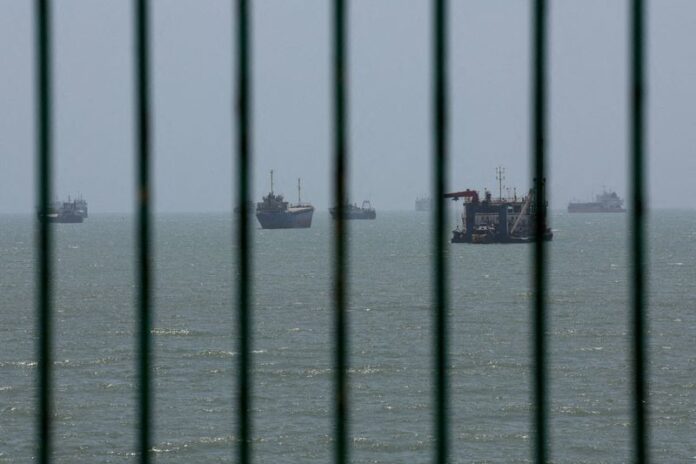
Friday marks six months since the US and Israel launched strikes on Iran, triggering a conflict that has disrupted global energy markets, rattled supply chains and fuelled concerns over inflation, food security and economic stability.
While the war’s direct impact has been most severe in the Gulf region, its consequences have spread far beyond the Middle East, affecting everything from fuel and food prices to investment markets and government finances.
Energy markets bear the brunt
The most immediate and visible impact has been on global energy supplies.
Oil prices surged as production in the Gulf was disrupted and shipments through the strategically vital Strait of Hormuz were curtailed. Brent crude briefly climbed above $120 a barrel in April and continues to average around $90 in 2026, compared with approximately $70 a barrel last year.
Refined fuel markets have faced even greater pressure. Diesel prices have risen sharply due to a combination of reduced Gulf exports, shortages of middle distillates and Russian refinery outages linked to Ukrainian attacks.
Jet fuel markets initially experienced significant turbulence because of the Gulf’s central role in global aviation fuel supply. However, increased refinery production and exports from the United States helped ease some concerns about shortages.
Analysts warn that the approaching northern hemisphere winter could intensify pressures, particularly if disruptions to Hormuz shipments persist or Russia’s energy infrastructure faces further damage. Such developments could push up heating fuel costs and complicate efforts to contain inflation.
Global stocks shrug off geopolitical tensions
Despite the conflict, global equity markets have demonstrated remarkable resilience.
The MSCI World Index, which tracks stocks across 47 countries, reached a record market value of $105 trillion this month. The index has added nearly $7 trillion in value since the conflict began, representing a gain of about 9%.
The strong performance has been driven largely by continued investor enthusiasm for artificial intelligence-related investments.
According to Fidelity analyst Pranav Aggarwal, investors appear to believe the war will eventually be contained.
“Equities are actually having a pretty good year,” Aggarwal said. “They’re up 14% or so for the year. If we are expecting 8% to 9% in a standard year, 14% up till August is pretty good.”
However, stocks in the Gulf region have significantly underperformed their global counterparts, reflecting the region’s direct exposure to the conflict.
Traditional safe havens fail to deliver
One of the more unusual features of the conflict has been the inconsistent performance of assets typically regarded as safe havens during periods of geopolitical turmoil.
The US dollar has gained just 1.4% against a basket of major currencies since the conflict began, with analysts attributing much of the increase to weakness in the Japanese yen rather than broad demand for the greenback.
US Treasury bonds, traditionally a refuge during times of uncertainty, have also struggled. Treasury securities have lost 3.5% on a total-return basis as inflation concerns reduced expectations for US interest rate cuts.
Additional pressure has come from concerns surrounding newly appointed Federal Reserve chair Kevin Warsh and Washington’s unexpected debt buyback initiatives.
Gold has also produced mixed results. The precious metal fell nearly 25% between the start of the war and July, despite having more than tripled in value since 2022 after Western countries froze Russia’s central bank reserves following the invasion of Ukraine.
More recently, gold has staged a strong recovery, rising more than 15% this month amid renewed worries about long-term dollar depreciation.
Food security concerns intensify
Beyond energy markets, the conflict is increasingly raising concerns about global food security.
The closure of the Strait of Hormuz has disrupted fertiliser shipments, threatening agricultural production at a time when global food systems are already under pressure.
These disruptions have been compounded by a strong El Niño weather pattern and ongoing interruptions to grain exports linked to the war in Ukraine.
The United Nations Food and Agriculture Organization (FAO) reported that food prices reached their highest level in more than three years in July. However, economists warn that the full impact of the supply disruptions has yet to be reflected in consumer prices.
The FAO has cautioned that the world may be heading toward another period of elevated food inflation. JPMorgan estimates that El Niño alone could add approximately 0.7 percentage points to global food inflation at its peak.
The burden is expected to fall most heavily on households in Asia, Latin America and Africa, where food accounts for a larger share of household spending and governments remain sensitive to rising living costs.
Gulf economies suffer direct damage
While much of the world has remained resilient, Gulf economies have experienced severe direct consequences.
Saudi Arabia’s exports contracted by 10% between the first and second quarters of the year, highlighting the disruption caused by the conflict.
Dubai’s property market has also been hit hard. JPMorgan estimates property sales have fallen by between 70% and 80%, while Oxford Economics forecasts that Qatar’s economy could shrink by almost 30% this year due to damage sustained at the Ras Laffan gas facility.
Financial markets across the region have reflected these challenges. Stock markets in both Qatar and the United Arab Emirates have declined by around 14%, underperforming global equities by more than 20 percentage points.
Investors have also demanded higher premiums to insure against sovereign debt defaults. Bahrain has been particularly affected, with the cost of credit default swaps rising nearly 40%, making it the hardest-hit Gulf state in debt markets.
Uncertainty remains
Six months after the conflict began, the global economy has so far avoided the worst-case scenarios feared by many analysts. However, elevated energy prices, food inflation risks and continued disruptions to trade routes suggest that the economic aftershocks are far from over.
With winter approaching and geopolitical tensions still simmering, investors and policymakers alike remain alert to the possibility that further disruptions could reignite inflationary pressures and deepen strains on the global economy.
- Since the US and Israel launched strikes on Iran six months ago, oil prices surged, with Brent crude briefly exceeding $120 a barrel in April and averaging around $90 in 2026.
- Global equity markets have risen, with the MSCI World Index reaching a record $105 trillion and gaining about 9% since the conflict began.
- Traditional safe havens like the US dollar, Treasury bonds, and gold have shown inconsistent performance amid the conflict and inflation concerns.
- The closure of the Strait of Hormuz and other disruptions have raised global food security concerns, with food prices hitting their highest level in over three years in July.
- Gulf economies have suffered direct impacts, including a 10% drop in Saudi Arabian exports, a 70-80% fall in Dubai property sales, and a projected 30% contraction in Qatar's economy.


