


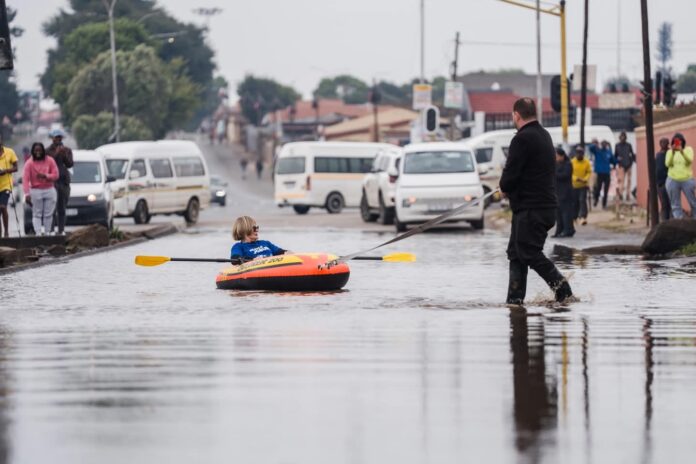
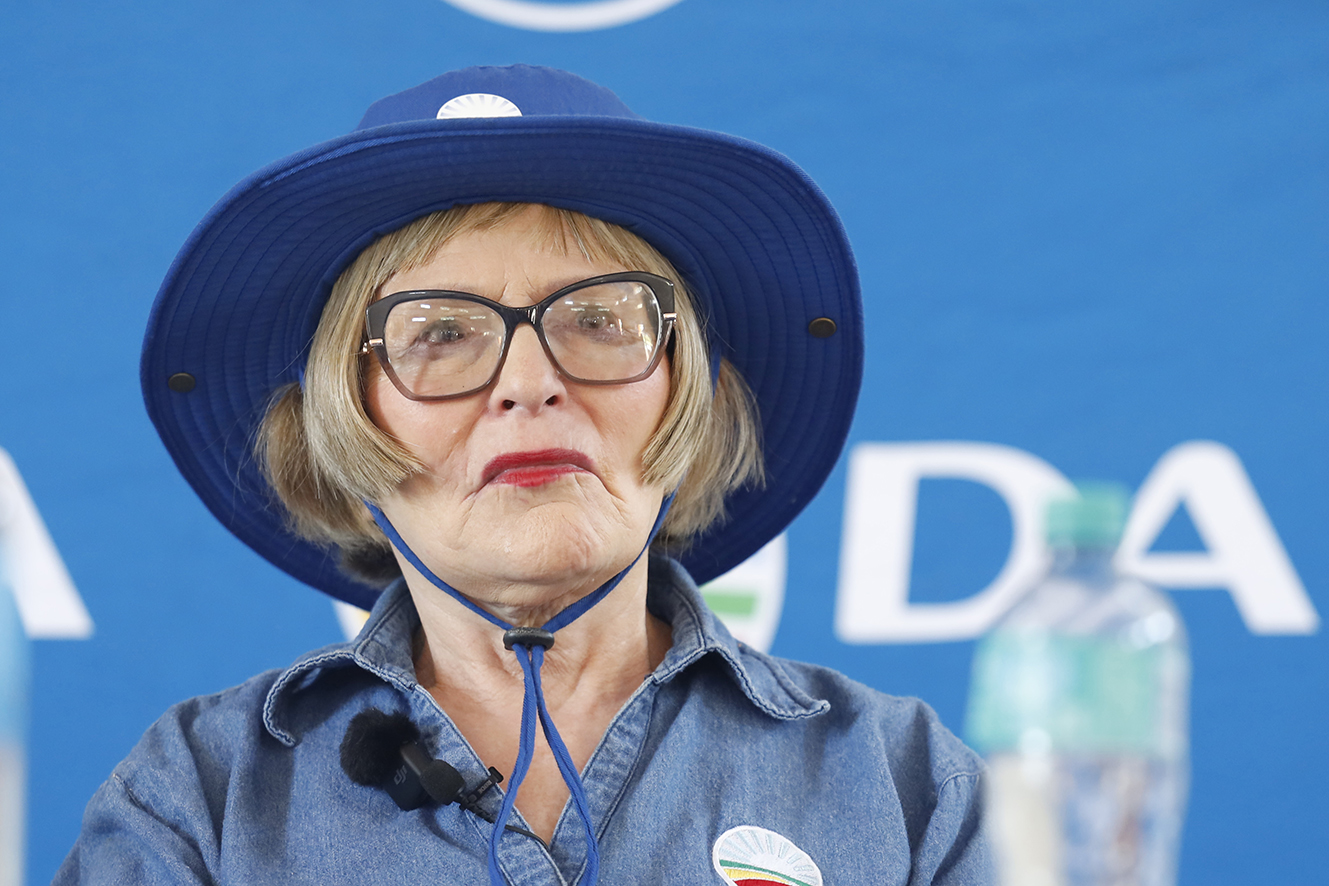
Experienced politician Helen Zille may have inadvertently started a new trend in South African politics, ripping Democratic Alliance (DA) opponents that when the municipality is in trouble, they call the veterans.
At 75, Gogo Zille is attempting something of a Madea-style reinvention. Tyler Perry took one unforgettable character and kept dropping her into completely different worlds, eventually building a Hollywood empire around that extraordinary staying power.
Zille appears similarly determined to prove that an established character can travel.
She has already been photographed taking a swim in a muddy pothole and rowing a little boat through a flooded street. She has gone ziplining through abandoned bridges, tried her hand at DJing and turned up in Orlando Pirates colours at local drinking spots to woo Soweto residents to one side of the glorious derby.

For a politician once synonymous with Cape Town and the Western Cape, Gogo is learning the geography and theatre of Gauteng. But underneath the campaign choreography sits a serious political experiment.
Should she win Johannesburg, Zille’s journey would read: mayor, premier, and mayor again.
READ: Zille faces hard questions on Joburg, migration
South Africa has seen politicians govern two municipalities before. Mpumalanga’s Cathy Dlamini went local to local, serving as mayor of Greater Malalane before becoming mayor of Mbombela. Western Cape’s Gesie van Deventer travelled from Drakenstein to Stellenbosch.
Pule Shayi went local to the district, moving from Ba-Phalaborwa to Mopani District Municipality. Leah Mabuza travelled the other way, from Nkangala District to Emalahleni.
But Zille proposes something considerably more audacious. Metro to metro. Province to province. Cape Town to Johannesburg.
And between those mayoral chapters sits a decade as Western Cape premier. Perhaps that helps explain why the African National Congress (ANC) is looking towards Reverend Frank Chikane. If Chikane ultimately becomes its Johannesburg mayoral candidate, South Africans could witness the delicious spectacle of two 75-year-olds carrying enormous political CVs fighting over potholes, burst pipes and refuse collection.
Think about it. Zille governed an entire province. Chikane served as director-general in the presidency under Thabo Mbeki. Yet democracy could summon both elders to explain why someone’s wheel disappeared into a pothole in Roodepoort. There is something beautifully democratic about that.
Municipal government has traditionally been treated as political kindergarten. Councillor becomes mayor. Mayor becomes MEC. MEC becomes the premier. The premier dreams about the Cabinet.
Success meant climbing away from potholes. Zille is climbing back down the ladder. Perhaps Johannesburg’s problems have become serious enough that mayor is no longer regarded as an entry-level political job.
The ANC’s interest in Chikane therefore raises an irresistible question: Did Zille raise the price of admission? Her CV presents opponents with an awkward comparison. Cape Town mayor. Western Cape premier. DA leader.
Chikane changes the optics. He brings liberation credentials, intellectual stature and experience near the summit of the state.
Suddenly it becomes heavyweight versus heavyweight, except the championship belt controls municipal billing.
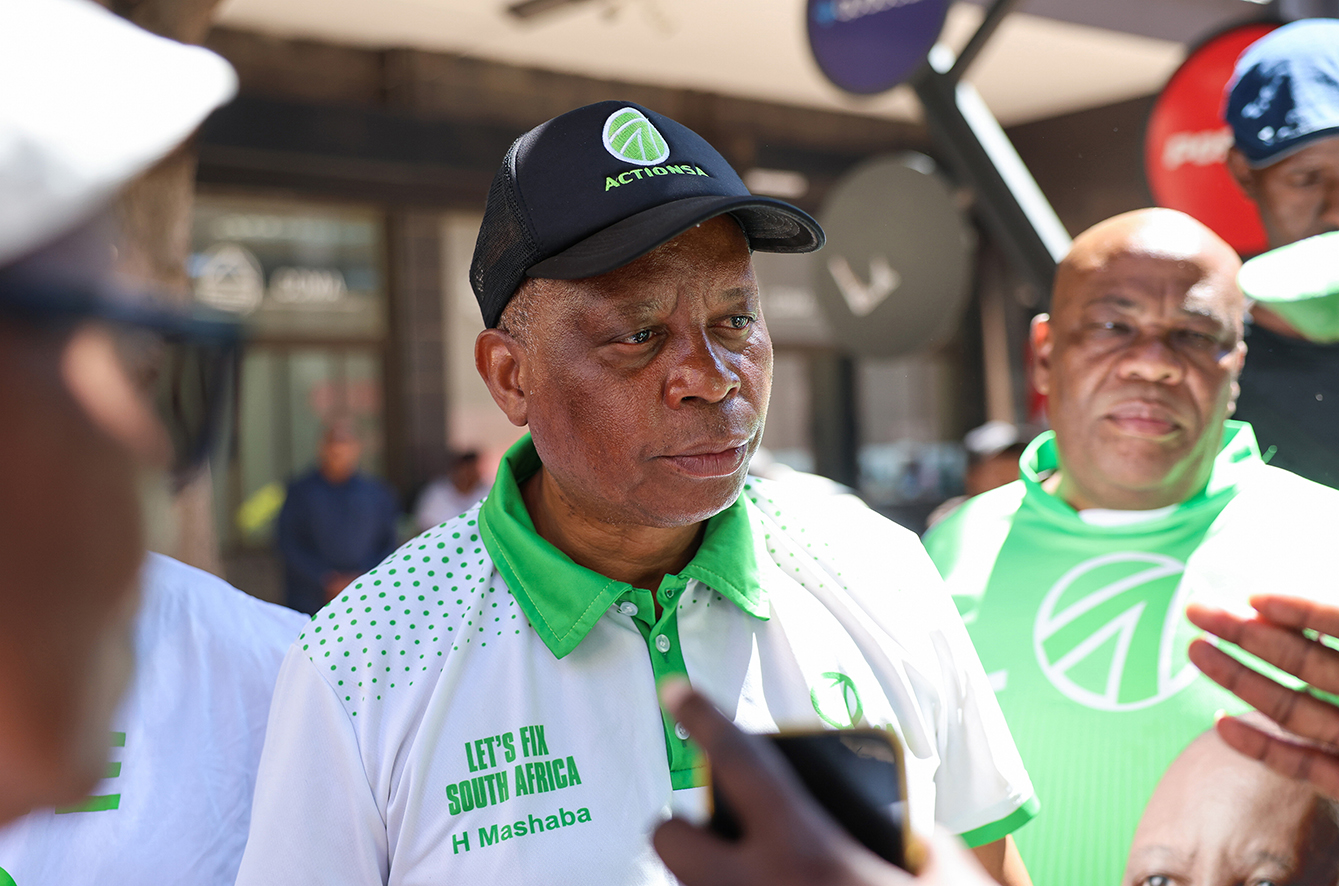
And lurking nearby is another comeback specialist, Herman Mashaba.
Mashaba has already governed Johannesburg. If the ActionSA leader were Arnold Schwarzenegger in The Terminator, his political slogan practically writes itself: “I’ll be back.”
The humour masks a serious development. South Africa may be reconsidering what a mayor should be. For years, municipalities became training grounds where politicians accumulated experience before graduating to supposedly greater things.
Yet citizens experience government from the bottom upwards. Parliament can pass magnificent legislation, but Parliament cannot collect your rubbish.
Cabinet cannot personally fix your streetlight.
Constitutional democracy becomes remarkably practical when sewage flows past your gate.
Experience should not be romanticised either.
A long CV cannot unblock a sewer. Being 75 does not confer municipal wisdom through osmosis. Running the presidency’s administration differs profoundly from running Johannesburg, while governing Cape Town nearly two decades ago guarantees nothing in Gauteng today.
The issue is not old versus young. It is whether parties are beginning to prefer experience over experimentation in distressed cities. If Zille succeeds, former premiers and national heavyweights may increasingly look towards City Hall rather than regarding it as somewhere politicians graduate from.
And that would make Gogo Zille more than a comeback candidate. She could become a trendsetter. Perhaps the political ladder was never really a ladder. Perhaps it is a circle.
And after decades spent climbing towards the top, South Africa’s political veterans may discover that the toughest examination was waiting where government becomes brutally real: at the tap, the traffic light, the rubbish bin, and, naturally, the pothole.
- Helen Zille, at 75, is running for Johannesburg mayor after previously serving as Cape Town mayor and Western Cape premier.
- Zille's political path is unusual, moving from metro to metro and province to province, unlike most politicians who move from local to provincial roles.
- The ANC may choose Reverend Frank Chikane, also 75 with a distinguished political background, to run against Zille for Johannesburg mayor.
- Herman Mashaba, former Johannesburg mayor and leader of ActionSA, is also a key contender, signaling a trend of seasoned politicians returning to municipal roles.
- The article suggests South African politics may be shifting to value mayoral experience highly due to the practical challenges faced in managing city services like potholes and refuse collection.


