


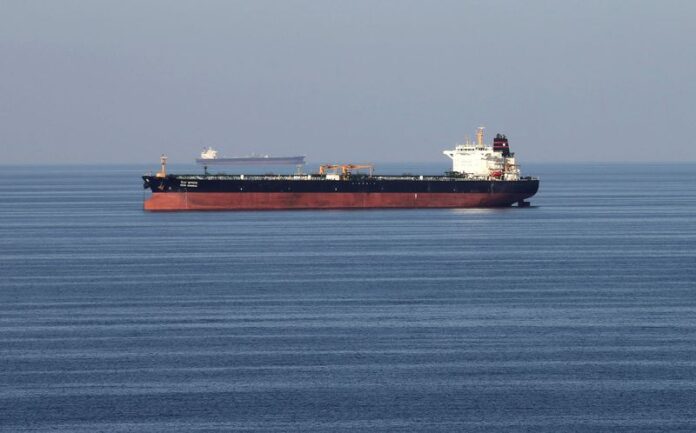
Oil prices fell more than $2 a barrel to a two-week low on Wednesday as talks between Iran and Oman revived hopes that the Strait of Hormuz could reopen and remove shipping constraints affecting supply in the key Middle East region.
Strait of Hormuz discussions
Brent crude futures fell $2.25, or 2.54%, to $86.33 a barrel by 0810 GMT, earlier dropping to their lowest since August 13. U.S. West Texas Intermediate crude futures were down $2.21, or 2.68%, at $80.15, earlier sinking to their lowest since August 10.
“It’s renewed focus on the discussion between Iran and Oman regarding a deal for transiting oil and other petrochemicals through the Strait of Hormuz. So that sort of creates some optimism,” said Bjarne Schieldrop, chief analyst, commodities, at SEB Research.
Iran said it had restarted talks with Oman to manage the strait as it faces heightened economic pressure from U.S. President Donald Trump.
READ: Oil rises as Donald trump threatens sanctions on Iran partners
Broader conflict and sanctions
The two countries have held intermittent discussions for weeks over oversight of the vital waterway, which carried about a fifth of global oil and liquefied natural gas shipments before the U.S.-Israeli war with Iran began in February.
The two countries said on Tuesday that they discussed “a joint temporary navigational corridor” through the strait and agreed to clear it of mines.
U.S. oil inventory data
While the discussions continue, ship traffic through Hormuz remains subdued. Only five commodity vessels transited the waterway on Tuesday, preliminary data from shiptracker Kpler showed, down from the 10-day average of 15 and well below pre-war levels.
Talks on an overall end to the conflict also continue. Pakistan and Iran made “significant progress” in talks that focused on the U.S.-Israeli war on Iran and a path to peace, Pakistan’s interior minister said on Tuesday, at the end of a visit to Tehran.
READ: Iran in ‘all-out’ economic, military, security war: president
On Monday, Washington expanded sanctions aimed at cutting off Iran’s economic lifeline, threatening to punish countries that continue to do business with Tehran, though it said it would not impose penalties immediately.
In the U.S., the American Petroleum Institute reported crude oil inventories rose by about 4.2 million barrels in the week ended August 21, market sources said.
Analysts polled by Reuters estimated crude oil stockpiles would rise by about 600,000 barrels on average. Official data from the EIA, the statistical arm of the U.S. Department of Energy, are due at 10:30 a.m. ET (1430 GMT) on Wednesday.
- Oil prices fell more than $2 a barrel to a two-week low due to revived talks between Iran and Oman about reopening the Strait of Hormuz.
- Brent crude futures dropped $2.25 to $86.33 a barrel, while U.S. West Texas Intermediate fell $2.21 to $80.15.
- Iran restarted discussions with Oman over managing the Strait of Hormuz amid U.S. economic pressures and agreed to clear it of mines.
- Ship traffic through the Strait of Hormuz decreased to five vessels on Tuesday, below the 10-day average of 15 and pre-war levels.
- U.S. crude oil inventories rose by about 4.2 million barrels in the week ended August 21, exceeding analyst expectations of a 600,000-barrel increase.


