


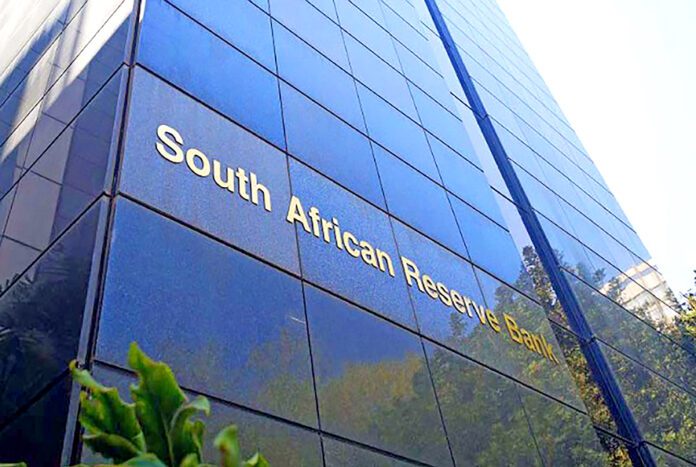
The South African Reserve Bank (SARB) is faced with a difficult monetary policy decision on Wednesday as renewed inflation pressure collides with a weakening economy.
The Monetary Policy Committee (MPC) will announce its decision on Wednesday, with the interest rate currently at 7% after the Reserve Bank raised it by 25 basis points in May, leaving it unchanged in July.
Expectations of a hike have strengthened since the previous meeting, particularly after the US Federal Reserve raised its policy rate by 25 basis points.
READ: Household inflation expectations fall ahead of SARB rates announcement
Markets are also having to factor in higher energy prices and the economic fallout from the Middle East conflict.
MPC decision should balance inflation
Harry Scherzer, Future Forex chief executive, said the MPC is facing a balancing act between containing inflation and avoiding further damage to economic activity.
He said higher energy prices and geopolitical tensions were contributing to inflationary pressure that was largely outside the direct control of the monetary system.
“The MPC therefore needs to distinguish between persistent, domestically driven inflation and temporary external price pressures. While a rate increase could help anchor inflation expectations and support financial stability, it would also place additional pressure on an economy that is already showing signs of weakness.
“The decision on Wednesday will ultimately require the MPC to balance the need to contain inflation against the potential impact of tighter financial conditions on economic activity and investment,” said Scherzer.
READ: Reserve Bank keeps interest rates unchanged
Households under pressure
René Moonsamy, director at National Debt Counsellors, said the impact of monetary policy was already being felt across households, with families having to stretch their strained budgets across fuel, transport, electricity, insurance and other essential costs.
“Some households have already cut back and postponed major purchases. Others are bridging the gap with credit while they wait for conditions to improve. The greater risk is not optimism about rate cuts but that many households have already made several adjustments and have very little flexibility left.
“Hope becomes a problem when it delays action, and a recurring shortfall is treated as temporary because next month might be easier. There is a difference between being optimistic about the economy and having a workable plan for your household,” said Moonsamy.
Interest rate decline not a call to take debt
Moonsamy said households should avoid taking on additional credit to cover higher monthly expenses if interest rates rise, as this could provide temporary relief while increasing their overall debt burden.
She emphasised that a decision to keep rates unchanged should also not be interpreted as an improvement in household finances but as borrowing costs remaining at their current level.
For consumers already under debt review, Moonsamy said agreed reduced interest rates generally remain unchanged despite movements in the repo rate, depending on the terms of their debt arrangement.
She advised consumers to maintain their agreed payments, stay in contact with their debt counsellors and raise affordability concerns early if rising living costs make repayments more difficult.
- The South African Reserve Bank (SARB) is faced with a difficult monetary policy decision on Wednesday as renewed inflation pressure collides with a weakening economy.
- The Monetary Policy Committee (MPC) will announce its decision on Wednesday, with the interest rate currently at 7% after the Reserve Bank raised it by 25 basis points in May, leaving it unchanged in July.
- Expectations of a hike have strengthened since the previous meeting, particularly after the US Federal Reserve raised its policy rate by 25 basis points.
- READ: Household inflation expectations fall ahead of SARB rates announcement Markets are also having to factor in higher energy prices and the economic fallout from the Middle East conflict.
- MPC decision should balance inflation Harry Scherzer, Future Forex chief executive, said the MPC is facing a balancing act between containing inflation and avoiding further damage to economic activity.
The South African Reserve Bank (SARB) is faced with a difficult monetary policy decision on Wednesday as renewed inflation pressure collides with a weakening economy.
The Monetary Policy Committee (MPC) will announce its decision on Wednesday, with the interest rate currently at 7% after the Reserve Bank raised it by 25 basis points in May, leaving it unchanged in July.
Expectations of a hike have strengthened since the previous meeting, particularly after the US Federal Reserve raised its policy rate by 25 basis points.
READ: Household inflation expectations fall ahead of SARB rates announcement
Markets are also having to factor in higher energy prices and the economic fallout from the Middle East conflict.
Harry Scherzer, Future Forex chief executive, said the MPC is facing a balancing act between containing inflation and avoiding further damage to economic activity.
He said higher energy prices and geopolitical tensions were contributing to inflationary pressure that was largely outside the direct control of the monetary system.
“The MPC therefore needs to distinguish between persistent, domestically driven inflation and temporary external price pressures. While a rate increase could help anchor inflation expectations and support financial stability, it would also place additional pressure on an economy that is already showing signs of weakness.
“The decision on Wednesday will ultimately require the MPC to balance the need to contain inflation against the potential impact of tighter financial conditions on economic activity and investment,” said Scherzer.
READ: Reserve Bank keeps interest rates unchanged
René Moonsamy, director at National Debt Counsellors, said the impact of monetary policy was already being felt across households, with families having to stretch their strained budgets across fuel, transport, electricity, insurance and other essential costs.
“Some households have already cut back and postponed major purchases. Others are bridging the gap with credit while they wait for conditions to improve. The greater risk is not optimism about rate cuts but that many households have already made several adjustments and have very little flexibility left.
“Hope becomes a problem when it delays action, and a recurring shortfall is treated as temporary because next month might be easier. There is a difference between being optimistic about the economy and having a workable plan for your household,” said Moonsamy.
Moonsamy said households should avoid taking on additional credit to cover higher monthly expenses if interest rates rise, as this could provide temporary relief while increasing their overall debt burden.
She emphasised that a decision to keep rates unchanged should also not be interpreted as an improvement in household finances but as borrowing costs remaining at their current level.
For consumers already under debt review, Moonsamy said agreed reduced interest rates generally remain unchanged despite movements in the repo rate, depending on the terms of their debt arrangement.
She advised consumers to maintain their agreed payments, stay in contact with their debt counsellors and raise affordability concerns early if rising living costs make repayments more difficult.


