


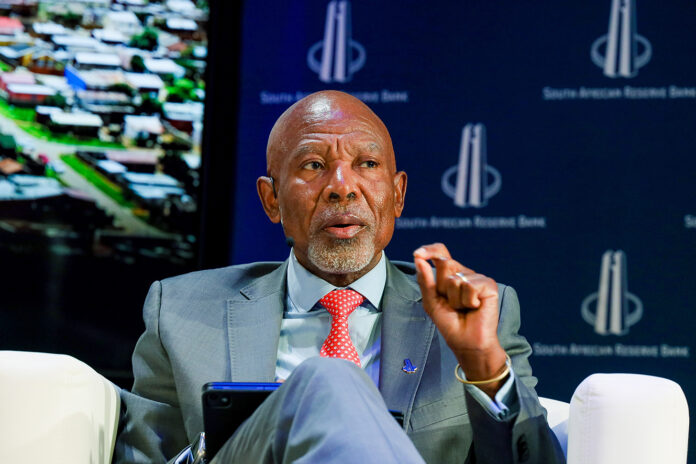
The cost of living has gone up as interest rates have climbed up to 7.25% as announced by South African Reserve Bank (SARB) Governor, Lesetja Kganyago on Wednesday.
The interest rate increased by 25 basis points, following the US Federal Reserve’s increase of the policy rate by 25 basis points to 4.25%.
This also comes as the consumer inflation rate increased to 4.4% in August, up from 4.3% in July. This continues to squeeze household budgets, primarily driven by rising costs in transport, housing, and financial services.
READ: Inflation rises to 4.4% as transport, housing costs keep consumers under pressure
Middle East conflict
Volatile global fuel costs remain a concern as the Middle East conflict persists. At the time of publishing, brent crude was slightly above $100 per barrel, dropping from $108 last Wednesday.
Kganyago said the economic growth outlook has weakened, taking from the data showing that the economy contracted by 0.2% in the second quarter. However, he said the Reserve Bank expects growth of about 2% over the medium term, provided that global conditions stabilised and domestic reforms improved the business environment.
“The global economic environment remains challenging and uncertain. Since our last meeting, the Middle East conflict has escalated further. Not much oil is getting through the Strait of Hormuz. Meanwhile, oil exports from Saudi Arabia are being interrupted by fighting in Yemen,” said Kganyago.
“Furthermore, the Russia-Ukraine war is causing ongoing destruction of refinery capacity and also affecting food exports through the Black Sea. These geopolitical events add up to a large, negative and persistent global supply shock, creating additional inflationary pressures,” the governor added.
Petrol prices expected to rise again
Speaking on inflation, Kganyago said the Reserve Bank had raised its near-term forecasts, mainly because of higher fuel prices. Petrol prices were expected to rise again after easing between June and August, with the current average under-recovery at R2.83 a litre.
READ: Middle East conflict could result in recession amid GDP drop, expert warns
Headline inflation was expected to rise above 5% later this year and into early 2027 before easing as the impact of higher fuel prices faded. Inflation was projected to return to around 3% towards the end of 2027.
Kganyago said inflation pressures from food and core goods remained more favourable. Import prices were still contained, supported by a resilient rand, while food inflation was at its lowest level since 2010.
The moderation in food inflation reflected strong harvests and a stabilisation in meat prices following the outbreak of foot-and-mouth disease. However, he warned that drought-related pressures linked to El Niño could emerge, although agricultural conditions remained broadly favourable for now.
Repo rate increase reflects inflationary pressures
Harry Scherzer, Future Forex CEO and actuary, said the increase was a reflection of inflationary pressures that are facing the economy due. He noted that prime lending rates will increase to at least 10.75%.
“The rand will be an important part of this equation. A credible response to inflation can support confidence in the currency, but South Africa remains exposed to global developments, particularly movements in the US dollar, oil prices and international interest rates.
“For individuals and businesses with foreign-currency exposure, today’s decision is another reminder that exchange rate movements can have a meaningful impact on the cost of international transactions, offshore investments and imports,” said Scherzer.
- The cost of living has gone up as interest rates have climbed up to 7.25% as announced by South African Reserve Bank (SARB) Governor, Lesetja Kganyago on Wednesday.
- The interest rate increased by 25 basis points, following the US Federal Reserve’s increase of the policy rate by 25 basis points to 4.25%.
- This also comes as the consumer inflation rate increased to 4.4% in August, up from 4.3% in July.
- This continues to squeeze household budgets, primarily driven by rising costs in transport, housing, and financial services.
- READ: Inflation rises to 4.4% as transport, housing costs keep consumers under pressure Middle East conflict Volatile global fuel costs remain a concern as the Middle East conflict persists.
The cost of living has gone up as interest rates have climbed up to 7.25% as announced by South African Reserve Bank (SARB) Governor, Lesetja Kganyago on Wednesday.
The interest rate increased by 25 basis points, following the US Federal Reserve's increase of the policy rate by 25 basis points to 4.25%.
This also comes as the consumer inflation rate increased to 4.4% in August, up from 4.3% in July. This continues to squeeze household budgets, primarily driven by rising costs in transport, housing, and financial services.
READ: Inflation rises to 4.4% as transport, housing costs keep consumers under pressure
Volatile global fuel costs remain a concern as the Middle East conflict persists. At the time of publishing, brent crude was slightly above $100 per barrel, dropping from $108 last Wednesday.
Kganyago said the economic growth outlook has weakened, taking from the data showing that the economy contracted by 0.2% in the second quarter. However, he said the Reserve Bank expects growth of about 2% over the medium term, provided that global conditions stabilised and domestic reforms improved the business environment.
"The global economic environment remains challenging and uncertain. Since our last meeting, the Middle East conflict has escalated further. Not much oil is getting through the Strait of Hormuz. Meanwhile, oil exports from Saudi Arabia are being interrupted by fighting in Yemen," said Kganyago.
"Furthermore, the Russia-Ukraine war is causing ongoing destruction of refinery capacity and also affecting food exports through the Black Sea. These geopolitical events add up to a large, negative and persistent global supply shock, creating additional inflationary pressures," the governor added.
Speaking on inflation, Kganyago said the Reserve Bank had raised its near-term forecasts, mainly because of higher fuel prices. Petrol prices were expected to rise again after easing between June and August, with the current average under-recovery at R2.83 a litre.
READ: Middle East conflict could result in recession amid GDP drop, expert warns
Headline inflation was expected to rise above 5% later this year and into early 2027 before easing as the impact of higher fuel prices faded. Inflation was projected to return to around 3% towards the end of 2027.
Kganyago said inflation pressures from food and core goods remained more favourable. Import prices were still contained, supported by a resilient rand, while food inflation was at its lowest level since 2010.
The moderation in food inflation reflected strong harvests and a stabilisation in meat prices following the outbreak of foot-and-mouth disease. However, he warned that drought-related pressures linked to El Niño could emerge, although agricultural conditions remained broadly favourable for now.
Harry Scherzer, Future Forex CEO and actuary, said the increase was a reflection of inflationary pressures that are facing the economy due. He noted that prime lending rates will increase to at least 10.75%.
“The rand will be an important part of this equation. A credible response to inflation can support confidence in the currency, but South Africa remains exposed to global developments, particularly movements in the US dollar, oil prices and international interest rates.
“For individuals and businesses with foreign-currency exposure, today’s decision is another reminder that exchange rate movements can have a meaningful impact on the cost of international transactions, offshore investments and imports,” said Scherzer.


