


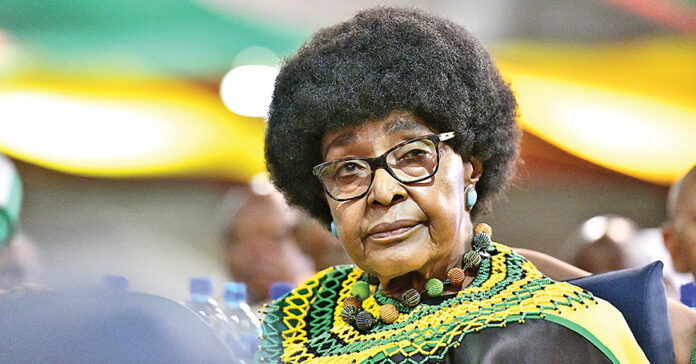
The Glenlivet believed deleting its controversial Women’s Month advertisement would end the matter. The families whose history it used say the reckoning has only begun.
They are demanding answers from the international executives behind the whisky brand and preparing to approach the Advertising Regulatory Board over what they describe as the unauthorised conversion of sacrifice into a corporate asset.
The families of Lilian Ngoyi, Helen Joseph, Rahima Moosa, Sophia Williams-De Bruyn and Winnie Madikizela-Mandela have jointly rejected the company’s public apology, saying it reduced a serious act of appropriation to the causing of “offence”.
READ: Ignite Her Soul celebrates women, honours legacy of Mama Abigail Kubeka
The dispute follows a social media campaign featuring actress Dineo Langa that drew on the 1956 Women’s March to promote The Glenlivet. The advertisement used historical images and Madikizela-Mandela’s voice while making a connection between the youth of the marchers and the age of the whisky.
After a public backlash, the campaign was withdrawn. The Glenlivet and Langa apologised, with the company saying it had deleted the post and was investigating how it was conceived and approved.
But the families said removing the material did not erase the harm or explain how it passed through the company’s approval processes without consultation.
“An apology that speaks merely of causing ‘offence’ completely misses the mark,” they said in a joint statement. “This is a matter of unauthorised corporate appropriation of a national heritage.”
Demands for global leadership to account
The families want the global leadership of The Glenlivet’s corporate owners, Pernod Ricard and Chivas Brothers, to account directly to them.
Their demands include a transparent explanation of how the campaign was devised, what consideration was given to the history it invoked, who approved it and why the affected families were not approached.
They also want a direct written apology rather than relying only on the corporate statement issued to the public.
Williams-De Bruyn, the last surviving leader of the historic march, said the company had used her image without permission.
“The advertisement uses my image and the record of a life that my husband and I dedicated entirely to the struggle for freedom,” she said.
“To see that history used to sell alcohol is deeply painful, especially given South Africa’s devastating crises of alcohol abuse and gender-based violence.”
READ: Veronica Mente | Vital to tighten screws on alcohol advertising
Historical weight of 1956 march
About 20,000 women marched to the Union Buildings on August 9, 1956 in opposition to the apartheid government’s attempt to extend pass controls to black women. Ngoyi, Joseph, Moosa and Williams-De Bruyn led the procession, which became one of the defining acts of mass resistance to apartheid.
The families said the marchers fought for the dignity and freedom of future generations, not for their sacrifices to become a Women’s Month marketing device.
They argued that using the history to promote alcohol was particularly offensive because of alcohol’s role in the exploitation of black South Africans under colonialism and apartheid, including through the dop system.
Madikizela-Mandela’s voice, they said, carried the memory of a woman who sustained hope during some of apartheid’s darkest years and should not have been used as “an atmospheric device” in liquor advertising.
Broader question of commercial exploitation
The statement shifts the controversy beyond the merits of one advertisement. At issue now is whether companies may freely convert public liberation history into private brand material without consulting living participants or the families of those depicted.
The families said they would pursue a complaint through the ARB to establish accountability and protect the Women’s March legacy from further commercial exploitation.
“The material continues to circulate,” they said, “and our families, comrades, and the country at large continue to encounter it.”
For them, the unanswered question is no longer whether the advertisement was offensive, but who authorised it and on whose authority.
- The Glenlivet deleted its controversial Women's Month advertisement after backlash but the families of historic marchers reject the company's apology, viewing it as insufficient.
- The advertisement featured actress Dineo Langa and historical images, including Winnie Madikizela-Mandela's voice, linking the 1956 Women's March to the whisky's age.
- Families demand a transparent explanation from The Glenlivet's owners, Pernod Ricard and Chivas Brothers, including details on campaign approval and lack of consultation.
- Sophia Williams-De Bruyn stated that her image and legacy were used without permission to promote alcohol, which she finds deeply painful given South Africa's alcohol and gender-based violence crises.
- The families plan to file a complaint with the Advertising Regulatory Board to address unauthorized commercial exploitation of the Women's March legacy and seek accountability.


